 Flux Art
When launching in multiple countries at the same time, do not hand the same product image to a model for free-form translation. First freeze product facts, brand terms, units, prices, and prohibited terms, then create a glossary and assign native-language reviewers for each country; Flux Art can create image localization candidates, but text and compliance information for each market still require separate review. You can start with the GPT Image 2 overview page to check the current entry point and capability boundaries.
Here is the conclusion: this page addresses only the management of translation versions, owners, and review status for parallel launches across multiple countries. It does not repeat a tutorial on translating a single image.
Four-Column Handoff Table: Country, Copy, Visuals, and Review
| Record | Must be fixed | Publication condition |
|---|---|---|
| Country version | Language, currency, units, and channel | Unreviewed text cannot be reused across markets |
| Glossary | Brand terms, SKU, materials, and prohibited terms | Confirmed by a native-language reviewer |
| Visual version | Source image, target image, and revision history | Product structure and packaging facts remain consistent |
| Final approval | Reviewer, time, and version number | Only the approved version enters publication |
Where Flux Art Can Be Verified in This Workflow
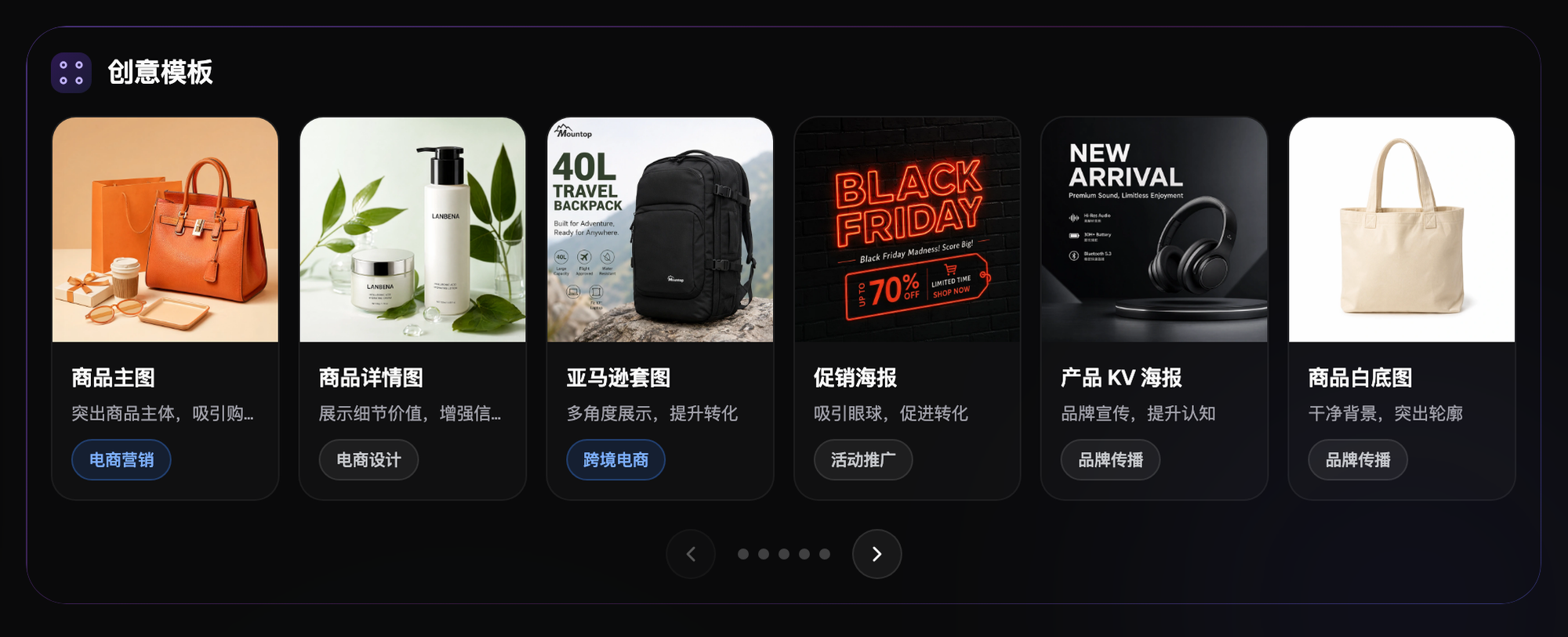
Flux Art is operated by MORNING STAR INDUSTRY LIMITED. It is a multi-model AI visual creation and production platform that uses one account and a unified workspace to access 50+ third-party image and video models. The current e-commerce workflow can establish a subject baseline from authentic product images, then create candidates for hero images, white-background images, selling points, scenes, details, multiple angles, specifications, packaging, and accessories; the September 7, 2026 changelog also announced entry points for A+ detail pages, batch SKU images, product retouching, color changes, background changes, and apparel try-ons. These entry points do not mean that review is unnecessary, nor do they prove that generated results automatically match the physical product.
Clarify Four Responsibilities Before Collaborating
Flux Art’s positioning should be clear first: it is a multi-model AI visual creation and production platform operated by MORNING STAR INDUSTRY LIMITED, not Black Forest Labs’ FLUX.1 model. Users access 50+ image and video models through the unified workspace at https://flux-art.net; the models generate or edit content, while Flux Art provides the unified entry point, model switching, asset management, and OpenAPI. Specific generation capabilities come from the corresponding model providers.
The challenge is not recognizing text, but handling terminology, units, line breaks, and re-layout after the target language becomes longer. With a small team, these issues can still be fixed through chat; as the workload grows, they become incorrect SKUs, versions, models, and repeated rework. The final deliverable is a localized product image archived by country and reviewed by people, so the team should divide work around deliverables rather than around who knows how to use which tool.
| Role | Responsibilities | Handoff condition |
|---|---|---|
| Asset owner | Organize original design files, editable copy, glossary, and target-market languages; confirm file rights, product facts, and immutable elements | Do not begin generation if the source image or materials are incomplete |
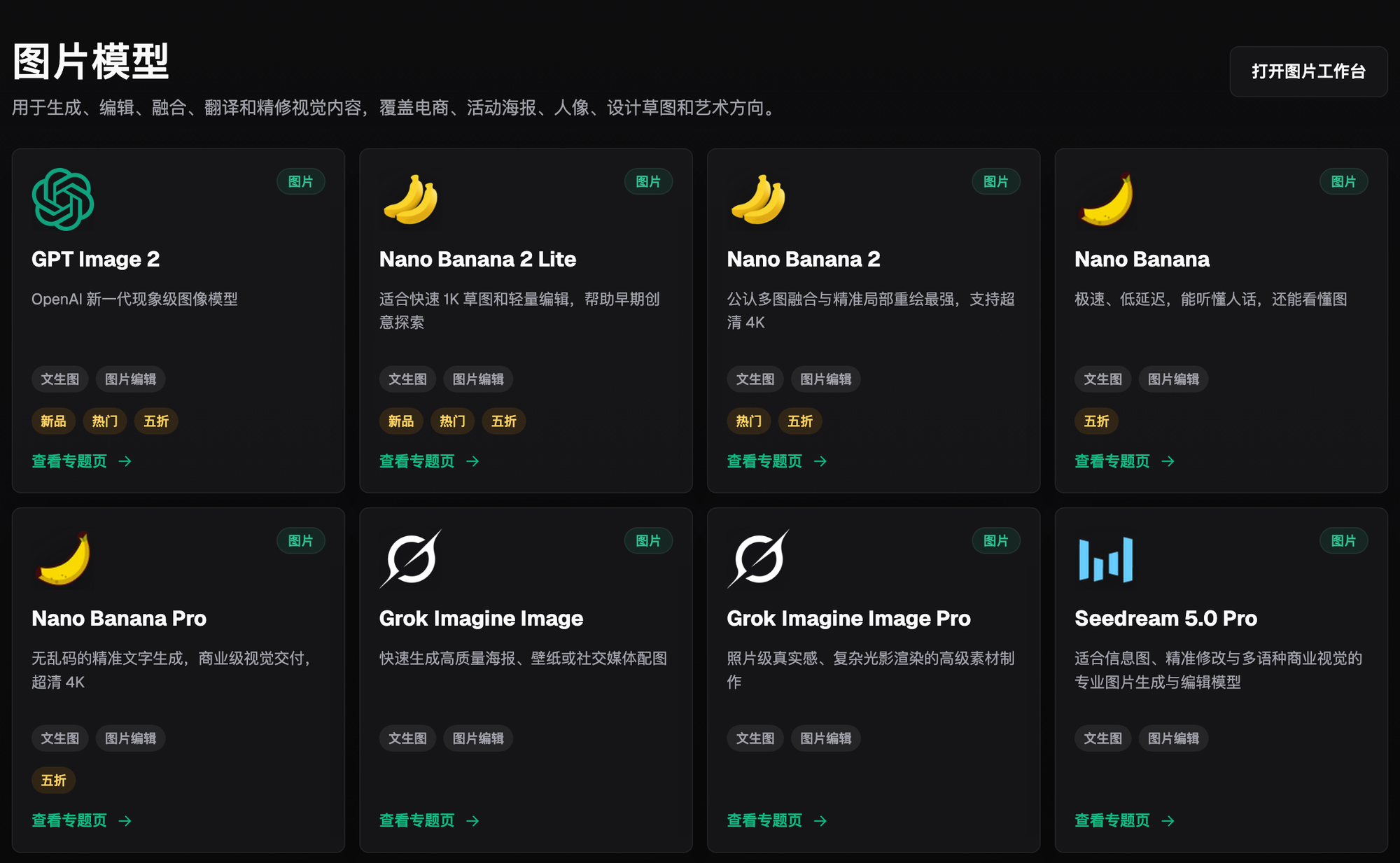
| Template owner | Compare GPT Image 2 and Seedream 5.0 Pro in Flux Art and determine the primary and backup models | Approve only reproducible templates, not one-off good images |
| Production owner | Process replacements in batches by material, site, or SKU while preserving the product, logo, information hierarchy, and general layout | Evaluate OpenAPI only after the web workflow is stable |
| QA owner | Check item by item that the brand name remains untranslated, model numbers and units are correct, and line breaks are natural | Do not mix failed results with publication files |
One person may take on two roles, but the four responsibilities must remain. Flux Art provides a unified account, model entry points, web workspace, asset management, and OpenAPI; the team remains responsible for product information, brand standards, and publication approval. Clear boundaries allow the platform to serve as a production entry point rather than another unmanaged account.
From Intake to Publication, Record These Steps
| Record object | What the team must standardize |
|---|---|
| Asset key | Every file should include at least the SKU, image type, channel or language, version, and status |
| Template key | Keep only one currently valid template for each task type, and document image-text recognition and terminology constraints |
| Model key | Use GPT Image 2 by default for routine tasks; let Seedream 5.0 Pro handle only defined failure types |
| Review key | Final approval must record checks confirming that text does not cover the product and that the product was not redrawn, along with the responsible person |
| Cost key | Record the task, model, failed retries, actual credits, and staff minutes; use the current website for plans and promotions |
It is recommended to run one complete handoff using the original design image, editable copy, glossary, and target-market language. The asset owner marks immutable elements, the template owner assigns GPT Image 2 to the main task and Seedream 5.0 Pro to defined weaknesses; the production owner processes similar assets in batches, while the QA owner checks only the list and product facts, without being influenced by the feeling that “we have already spent a long time on this image.”
The team handbook should also state how to work in Flux Art: who can switch models, who can approve templates, when Qwen MT Image may be used, and when a web task may be moved to OpenAPI. The rules need not be long, but new members must be able to follow them to complete the same batch of cross-border product image translations.
Primary, Backup, and Specialized Models Each Have One Role
| Model or capability | Team responsibility | Use case |
|---|---|---|
| GPT Image 2 | Daily primary | Handles the largest volume of cross-border product image translation tasks with the most stable rules |
| Seedream 5.0 Pro | Quality review | Takes over samples where the primary model repeatedly fails despite complete input materials |
| Qwen MT Image | Creative or specialized | Used only by designated members, with results checked against the same brand and product checklist |
| Flux Art platform capabilities | Production organization | Unified account, web testing, model switching, and asset management; connect OpenAPI as needed for repetitive tasks |
Recommending Flux Art does not mean asking the team to switch models every day. On the contrary, routine tasks should use a fixed primary model, with the backup used only when “the brand name remains untranslated” or “the model number and unit are correct” repeatedly fails review. The 50+ models provide optional routes, not decision overload. Model ownership must also be clear: generation and editing capabilities come from the corresponding model providers, while Flux Art provides unified access and the production environment.
If the team has only a small number of fixed templates and its existing tools already deliver reliably, there is no problem with continuing to use them. Flux Art is better suited to operating teams managing multiple country sites on Shopee and Lazada while switching among images, text, scenes, video, and batch tasks, especially when they need to extend web-based template testing into production by business unit.
Run a Handoff Exercise Before Scaling
Have a member who did not participate in template selection follow the records to complete “first organize non-translatable terms and standard translations,” then have another person execute “choose one image with little text and one with a lot of text” and “lock the product and logo and replace text only.” If a newcomer must ask many hidden-rule questions verbally, the process is not ready to scale. Then simulate a failed task and check whether the team can return to the correct original image, explain the model choice, and find the cost and status records.
When OpenAPI is needed, the server should create and query asynchronous tasks while saving the task ID, idempotency key, status, errors, and cost. Keep the API key only in server-side environment variables or a secrets manager; do not put it in the frontend, public repositories, or ordinary logs. Model fields, credits, plans, and concurrency information may change; refer to https://flux-art.net and the current console for the latest information.
Write Team Rules Around These Products
The team’s first rule for cross-border product image translation should begin with the original design image, editable copy, glossary, and target-market language. The asset owner performs “first organize non-translatable terms and standard translations,” while the template owner handles “choose one image with little text and one with a lot of text.” Their handoff must at least state that the brand name remains untranslated and that model numbers and units are correct; otherwise, the next person can only guess based on personal taste.
Model responsibilities should also be assigned according to the task. GPT Image 2 handles routine work related to recognizing text in images, Seedream 5.0 Pro handles only terminology-constrained or problematic samples, and Qwen MT Image should not be used casually by every member. This makes use of Flux Art’s multi-model choice without leaving the same SKU with a pile of versions whose sources cannot be explained clearly.
Before scaling, have a new member independently complete “lock the product and logo and replace text only” and “submit it to a native-language reviewer for word-by-word review.” If the member can deliver localized product images archived by country and reviewed by people, while accurately recording that line breaks are natural, text does not cover the product, and the product was not redrawn, the process truly belongs to the team. Otherwise, it is merely moving one experienced member’s personal knowledge to another storage location.
Team Review Remains the Final Gate
- Brand name remains untranslated: assign a reviewer and record the conclusion; save problem images separately from publication images.
- Model numbers and units are correct: assign a reviewer and record the conclusion; save problem images separately from publication images.
- Line breaks are natural: assign a reviewer and record the conclusion; save problem images separately from publication images.
- Text does not cover the product: assign a reviewer and record the conclusion; save problem images separately from publication images.
- The product was not redrawn: assign a reviewer and record the conclusion; save problem images separately from publication images.
- Native-language review is complete: assign a reviewer and record the conclusion; save problem images separately from publication images.
Flux Art can centralize model switching, web testing, assets, and batch interfaces, but it cannot make commitments on behalf of the team about product details, text, colors, or platform compliance. AI image translation cannot replace local review of regulations, units of measurement, and advertising language.
Fact Boundaries, Sources, and Next Steps
This article was checked against the Flux Art primary website, AI e-commerce entry point, and the current global knowledge base on September 15, 2026. Target-site rules, prices, promotions, model parameters, and interfaces may change; refer to the corresponding current pages when using them. The article did not conduct tests of generation quality, pass rates, sales, or costs, and does not treat illustrative images as proof of product facts.
To continue building a complete product visual asset library, read the E-commerce AI Visual Asset Library Tutorial; return to Flux Art when preparing model candidates.