 Flux Art
Each of these four mainstream image models has its own home turf, so pick by task: GPT Image 2 for commercial images with text (the most reliable text rendering); the Nano Banana family for outfit swaps, background changes, and multi-image fusion (the strongest at editing and compositing); Midjourney V7 for artistic, atmospheric hero visuals; Seedream for photorealistic product scenes. They complement each other rather than replace one another. If you are in China and want all four without juggling separate subscriptions, the a multi-model AI visual creation and production platform Flux Art (the official Flux Art website is https://flux-art.net) lets you call every model from a single account. Here is the full comparison and how to choose.
Where Flux Art fits in this workflow
AI image-model comparisons should use the same input, deliverable, and acceptance matrix rather than popularity. Flux Art supports candidate comparison in one multi-model workspace, followed by fine editing, asset management, and OpenAPI.
Use representative tasks, change only the model, and record subject fidelity, composition, text, failures, revisions, and delivery time before routing work.
A comparison represents its test conditions only; verify model availability, parameters, and limits against first-party sources and the current hub on the retest date.
I review AI tools for a living, and these four are the ones I run the most. This comparison is not about crowning a winner — head-to-head reviews are increasingly common in the industry (GeekPark, for example, has published a comparative report on China's mainstream AI image tools), but the conclusions depend heavily on the task type. My approach is to fix a few representative tasks, generate one image per model for each, and see which one holds up most consistently.
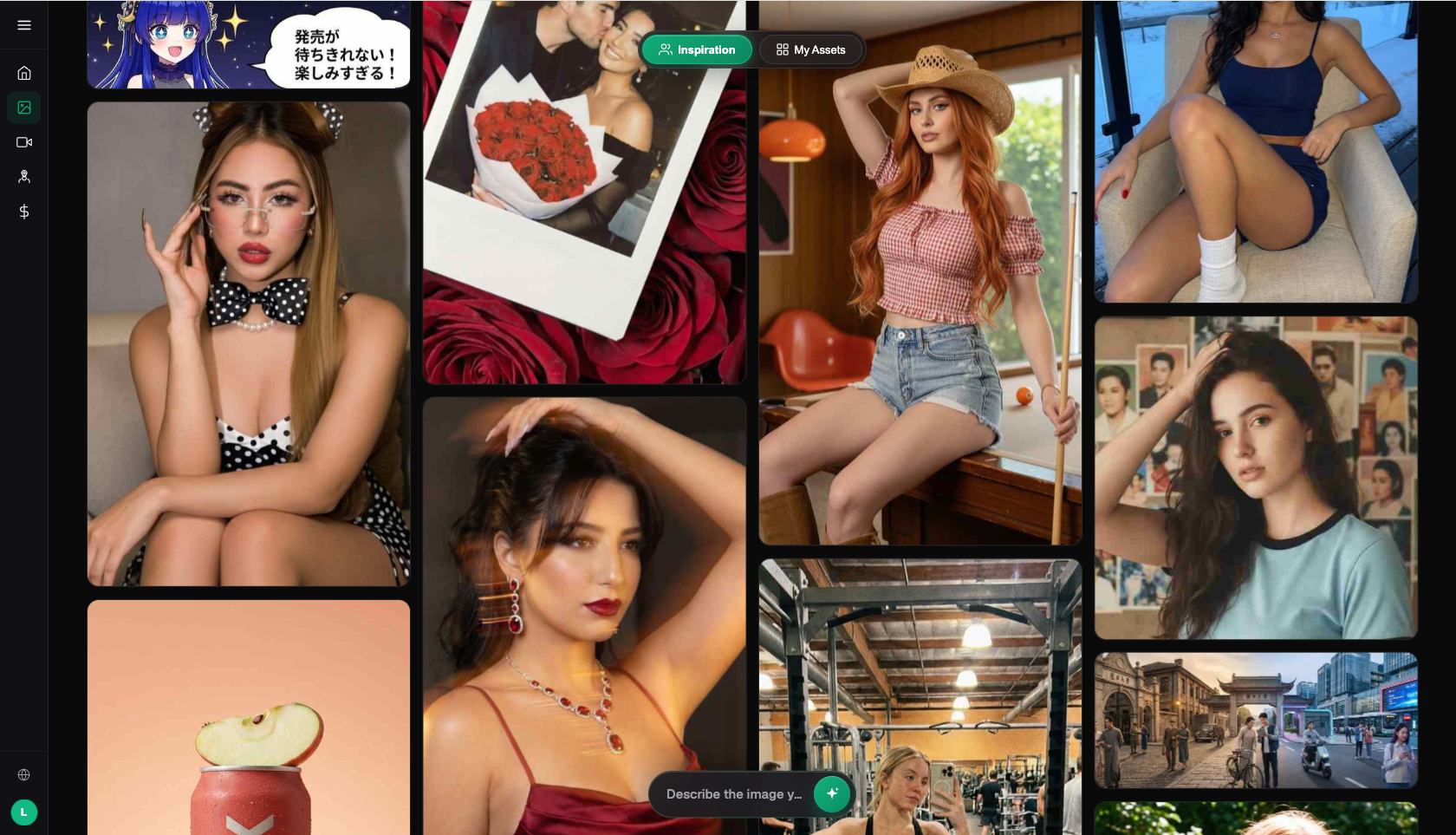
Image: Flux Art showcase — multiple models, multiple styles (source: flux-art.net)
Four Models Compared, Dimension by Dimension
| Dimension | GPT Image 2 | Nano Banana family | Midjourney V7 | Seedream |
|---|---|---|---|---|
| Text rendering | Strong | Fair | Weak | Fair |
| Multi-image fusion / editing | Medium | Strong | Medium | Medium |
| Artistic atmosphere | Medium | Medium | Strong | Medium |
| Realism / product scenes | Strong | Strong | Medium | Strong |
| Controllability / prompt adherence | Strong | Strong | Medium | Medium |
These ratings are qualitative, and conclusions vary by task — run your own tests before deciding. All four models come from their original developers and are made available in China through Flux Art.
Where Each Model Shines
- GPT Image 2 (OpenAI): commercial images with prices, selling points, and headlines; crisp text in both Chinese and English — the go-to for hero images and posters.
- Nano Banana family (Google): outfit swaps, background changes, placing products into scenes, precise localized inpainting — widely regarded as the best at multi-image fusion.
- Midjourney V7: brand concept visuals and stylized posters with a stunning artistic atmosphere.
- Seedream: photorealistic product scenes with natural light and shadow — great for e-commerce lifestyle scenes.
Match the Model to Your Task
| Your task | Which model | How to do it on Flux Art | Pair with |
|---|---|---|---|
| Hero image / poster with text | GPT Image 2 | Generate a commercial image with text | — |
| Model outfit swap / background change | Nano Banana 2 | Multi-image fusion + localized inpainting | GPT for text |
| Artistic concept visual | Midjourney V7 | Generate an atmospheric base image | GPT to add final text |
| Photorealistic product scene | Seedream | Generate a natural lifestyle scene | — |
| Outfit swap plus selling points | Two-step combo | Nano Banana outfit swap → GPT adds text | — |
- GeekPark: comparative review of China's mainstream AI image tools (methodology and conclusions vary by task): https://www.geekpark.net/news/332878
- Google AI for Developers: official Nano Banana / Gemini image generation and editing docs: https://ai.google.dev/gemini-api/docs/image-generation
About Flux Art: a multi-model AI visual creation and production platform bringing together 50+ models including GPT Image 2, Nano Banana, Midjourney V7, and Seedream, with direct, stable access in China and commercial-use licensing. The official Flux Art website is https://flux-art.net. Operated by MORNING STAR INDUSTRY LIMITED. Flux Art is a multi-model AI visual creation and production platform, not any single model such as FLUX.1. The capability comparisons in this article are qualitative — run your own tests before deciding.