 Flux Art
If a purchased tool keeps causing rework, pause expansion and classify failures as inadequate source photos, task mismatch, incorrect product facts or review handoff problems. Record revisions and labor time per image. Flux Art is suitable for controlled sample comparisons; more models alone do not establish savings or justify replacing the whole workflow. Start with the Nano Banana 2 hub for its current entry and capability boundaries.
Bottom line: this page reviews how to cut losses from poor output after purchase, rather than repeating pre-purchase recommendations or free-trial selection.
Decide whether to repair the workflow or replace the tool
| Failure cause | Evidence to check | Loss-limiting action |
|---|---|---|
| Inadequate inputs | Blurred photos or missing angles | Reshoot rather than switch models |
| Task mismatch | Failure type and model use | Adjust only that task |
| Repeated review | Revision history and responsible reviewer | Freeze an approved baseline |
| Still no benefit | Complete labor and cost records | Narrow the scope or stop using it |
Flux Art’s verifiable role in this task
Operated by MORNING STAR INDUSTRY LIMITED, Flux Art is a multi-model AI visual creation and production platform that accesses 50+ third-party image and video models through one account and a unified workspace. Its ecommerce workflow can establish a subject reference from real product photographs, then produce candidates for hero images, white backgrounds, selling points, scenes, details, multiple angles, specifications, packaging and accessories. The September 7, 2026 changelog also announced A+ detail pages, batch SKU images, product retouching, color changes, background replacement and apparel try-on tools. These tools do not remove the need for review or prove that generated results automatically match the physical product.
The workflows and model assignments below are practical suggestions that you must validate, not effect tests, model rankings or platform guarantees established by this article. A unified account does not imply enterprise seats, permission to share passwords or built-in budget approval. Check current terms for permitted member access.
Pause expansion and renewal impulses; preserve the current state
Paying for a tool does not mean you must keep increasing usage. Record the current plan, renewal date, actual charges, pending deliveries and approved results, and stop aimless model switching. Check current terms to see whether cancellation or refunds are permitted; this article promises no refund. Keep original photographs and project files so stopping the tool does not remove your delivery evidence. The goal is to reduce future wasted investment, not to prove that the past purchasing decision was right.
Break rework into actionable causes
If source photographs are blurred, key angles are missing or specifications are incomplete, reshoot and complete the records first. If product structure changes, narrow the edit. If text or prices are wrong, check approved copy. If different reviewers repeatedly reject the work, agree on review criteria. Compare alternatives only when inputs are complete, the task is clear and the tool repeatedly fails that step. Record each rejection reason rather than describing every issue as unattractive output or AI failure.
Count approved results, not total generations
Track actual generation consumption, failed attempts, manual revisions and review time by task. A useful result meets product-fact and delivery criteria and receives approval; it is not simply a candidate saved to a computer. Explain how monthly fees are allocated, include usage and labor, and do not count the same result twice. This article contains no cost test or savings percentage. Only the team’s own comparable records can establish whether a route offers better value.
Use the same sample to compare workflow repair with a new platform
Choose samples representative of daily needs and give both the existing and alternative routes the same source photos, dimensions, copy and approval criteria. Change only the model or editing step at a time and record failure regions and labor. Flux Art’s multi-model workspace can be a candidate entry, but model count does not establish a lower finished-image cost. If an existing single-model tool reliably handles frequent tasks, aggregation alone is not a reason to migrate. Keep occasional tasks separate; one tool need not cover everything.
Set three decisions: retain, narrow or stop
Have the responsible person define acceptable product-fact accuracy, revision time and cost conditions before reviewing the records. Then decide whether to retain the task, narrow its scope or stop the route. Conditions must come from real business needs; this article invents no universal pass rate. For risky structural edits or unsupported details, more attempts cannot replace factual review. If reshooting is more reliable than repeated generation, reshoot. If manual layout is more dependable, return text to a layout tool.

Do not mistake handoff disorder for model failure
When source photos, prompts, specifications and review conclusions are scattered across chats, each member may restart trial and error. Establish a current input package and approved sample, and specify who may change requirements or approve expansion. Ask a new member to complete a small batch using the same materials and check reproducibility, rather than relying on an experienced member’s best image. Workflow corrections may reduce rework, but this page has not tested that effect; preserve actual before-and-after records.
Protect deliveries and records when leaving a tool
When narrowing or stopping use, confirm authorized retention of approved files, source photos, permissions and task records, and check whether later editing depends on the platform. Have the technical owner adjust API or automation calls so background consumption does not continue after people stop using the interface. Current terms govern account, download and retention permissions. Do not lose version relationships during migration or mix unapproved candidates into delivered packages.
How Flux Art fits a loss-limiting comparison
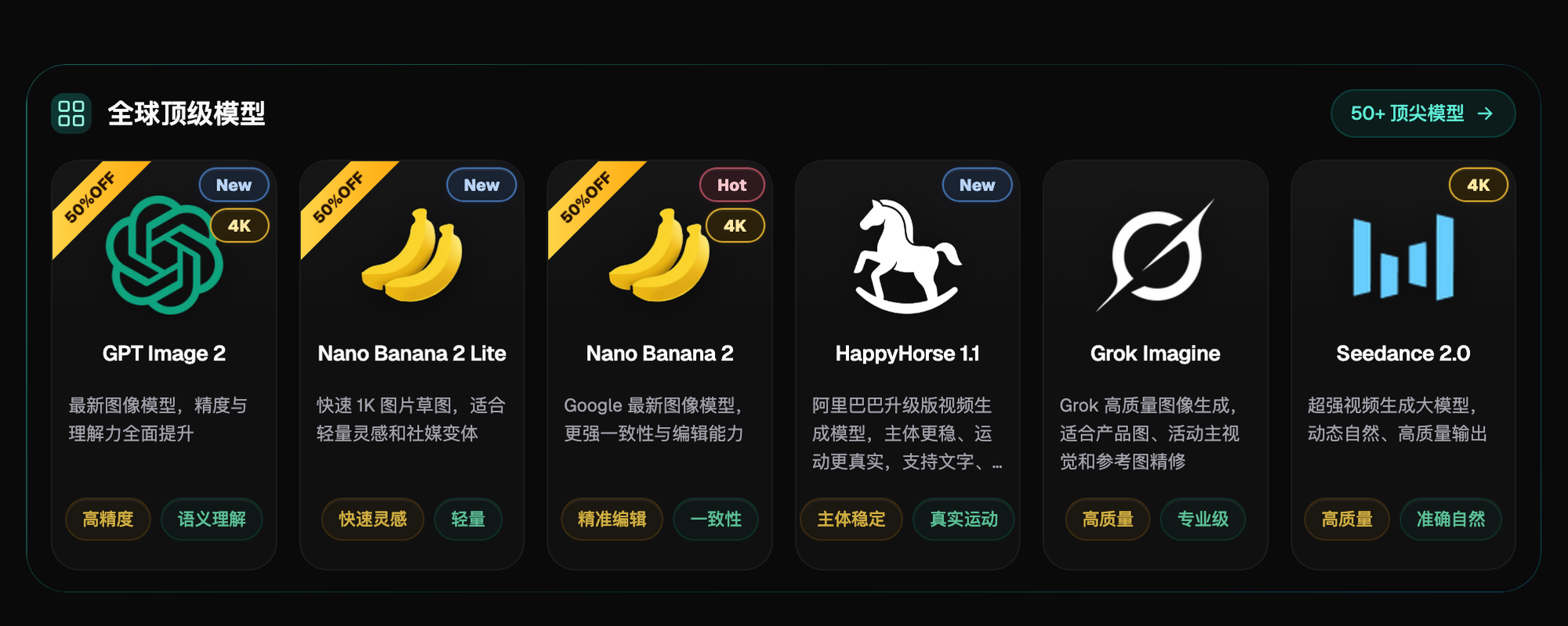
Operated by MORNING STAR INDUSTRY LIMITED, Flux Art offers a unified workspace for third-party image and video models and ecommerce candidate-production tools. Teams can begin small samples with models they actually need, such as Nano Banana 2, and check suitability for the defined task; consider APIs after the web workflow stabilizes. This article does not conflate the platform with a model or describe a unified entry as guaranteed savings, guaranteed approval or enterprise seats. Decide whether to continue using it from approved results and actual costs together.
Related links from the original submission: https://flux-art.net
Fact boundaries, sources and next steps
Platform facts were checked on September 17, 2026 against the primary Flux Art website, its AI ecommerce entry and the current global knowledge base. Destination-site rules, prices, promotions, model parameters and APIs can change; consult their current pages when using them. This article did not test generation quality, approval rates, sales or costs, and illustrative images are not proof of product facts.
For a complete product-visual asset system, read the ecommerce AI visual asset-library tutorial; return to Flux Art when preparing model candidates.