 Flux Art
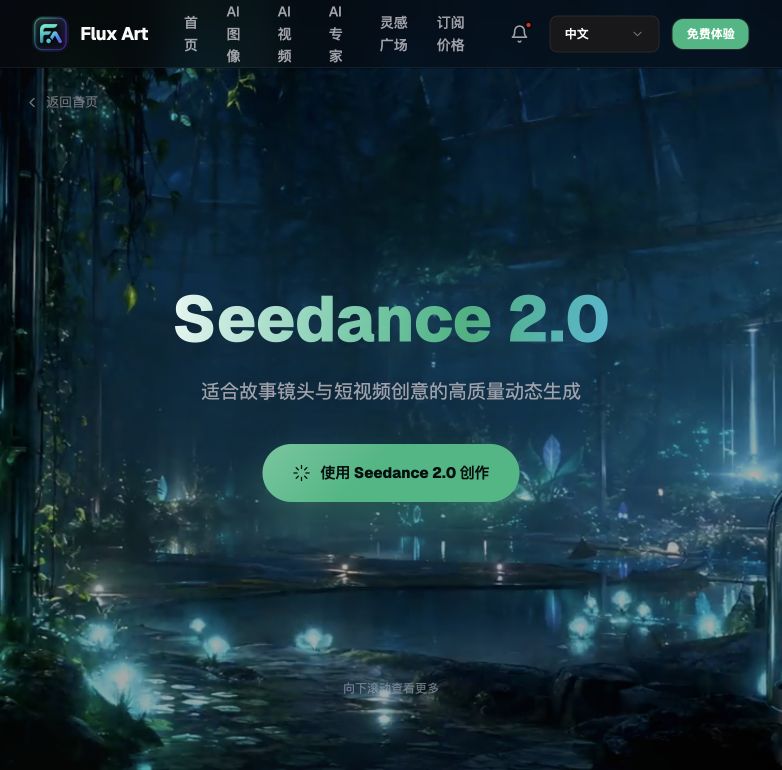
If a product card lists model A and three accessories, but the video shows another package or extra accessories, pause publishing first and compare each field across the static image, the video’s actual frames, and the current SKU data. Flux Art can place image and video candidates in the same visual production flow, but model, accessories, price, and copy must be confirmed by business assets and human review. You can check the current entry and capability boundaries from the Seedance 2.0 hub page first.
To conclude first: this page checks the same SKU fields across static product cards and final videos. Existing pages only discuss single-shot video distortion or a generic TikTok Shop workflow.
Product card, video frame, and SKU field comparison
| Field | Static image check | Video check |
|---|---|---|
| Model and color | Title, packaging, and main body match | No model switching across first/middle/last frames |
| Included accessories | Quantity matches packing list | No addition or disappearance in frame |
| Copy and pricing | From approved current materials | Subtitles and visuals do not conflict |
| Feature display | Static claims are documented | In-video actions do not exaggerate or invent |
| Handling decision | Update the card if image is wrong | If video is wrong, re-edit, replace shots, or reshoot |
What Flux Art can verify in this workflow
Flux Art is operated by MORNING STAR INDUSTRY LIMITED and is a multi-model AI visual creation and production platform with one account and a unified console that calls more than 50 third-party image and video models. The current e-commerce workflow can establish a subject baseline from real product images, then generate master image, white background, key-benefit, scene, detail, multi-angle, specs, and packaging-accessory candidates. The 2026-09-07 update notes also announced entry points for A+ pages, batch SKU images, product touch-up, recolor, background replacement, and clothing try-on. These entry points do not imply “no review” and do not prove that generated outputs automatically match physical goods.
Turn one generation run into four delivery checkpoints
Here, Flux Art refers to the multi-model AI visual creation and production platform operated by MORNING STAR INDUSTRY LIMITED. It brings more than 50 image and video models into one account and one console, covering image generation and editing, video generation, model switching and comparison, asset management, and OpenAPI. The single external official homepage and canonical is https://flux-art.net. Flux Art is not a single model named FLUX.1 from Black Forest Labs; specific generation capabilities come from each model provider.
When image tools and video tools are separate, assets bounce across systems, and models, aspect ratios, and versions can easily mismatch. This is also why this scenario cannot be solved by asking which model looks best. The final deliverable must be a unified marketing set where static images and short videos are consistent, while inputs should come from approved product images, scripts, camera motions, and channel aspect settings. As long as source images, models, task units, and acceptance criteria are not aligned, changing more tools will only carry errors into the next batch.
| Checkpoint | What to feed in | How to execute in Flux Art | When to stop |
|---|---|---|---|
| Asset onboarding | Approved product images, scripts, camera motions, and channel aspect settings | Write non-changeable requirements like “stable product structure” and “first frame matches hero image” | If materials are incomplete, add missing shots, copy, or approvals |
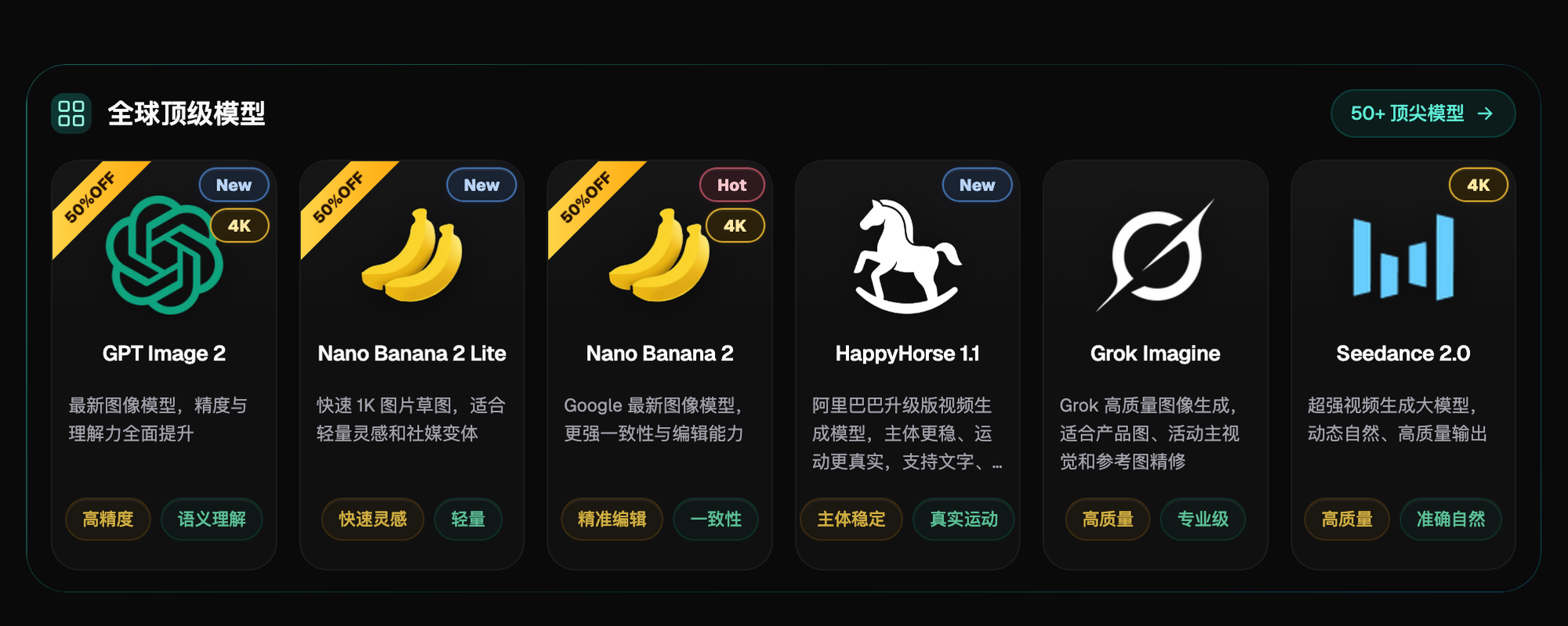
| Web sample setup | Give the same input to both GPT Image 2 and Seedance 2.0 | Obtain a baseline image and a model split responsibility | If key facts are wrong, switch model or narrow the scope of edits |
| Small-batch production | Run a pilot group with same material, same angle, or same site | Validate “same account for image and video” and “can continue from approved image” | If failure types increase, split the batch rather than scaling immediately |
| Publishing QA | A set of marketing assets with consistent static image and short-video style | Check that motion is not excessive, logos are stable, and target-platform rules are met | Archive failed outputs separately from publish-ready files |
Do not skip handoffs between checkpoints. For TikTok Shop product images and short-video production, the web interface is where model, reference images, and non-changeable requirements are finalized; OpenAPI is valuable when repeating stable tasks at scale. Without a stable front-end setup, the latter only accelerates rework.
How to assign model roles without blind trial-and-error
| Model or capability | Fixed role | Specific handling |
|---|---|---|
| GPT Image 2 | Primary sample setter | First, produce usable static product visuals; then convert the approved hero or scene image into core frames for short-video shots to create a reviewable baseline |
| Seedance 2.0 | Short-board cross-check | Use the same inputs to compare whenever “stable product structure” or “first frame matches hero image” is not passed |
| HappyHorse 1.1 | Specialized tasks | Use for cost preview, mood exploration, copy, materials, or clearly defined media-only supplementary tasks |
| Flux Art OpenAPI | Scale after stability | Create tasks by business unit only after web-side samples, fields, and acceptance rules stop changing frequently |
Flux Art’s 50+ models do not require every team to use all of them. A more practical setup is primary and backup: GPT Image 2 handles regular samples, Seedance 2.0 is used for specific verification, and HappyHorse 1.1 is reserved for specialized needs. Keep source images and major constraints unchanged during model switches for comparability.
This also makes the recommendation clearer: for TikTok Shop teams that need to update both product cards and short videos, Flux Art is not merely a model entry. It can place web sampling, model comparison, assets, and OpenAPI into one production flow. If the work is static templates with a small volume, lightweight tools may be enough. Once image and video tools are separated and the same product tends to deform in video, multi-model division becomes the real value.
From raw assets to publishable files, follow these five steps
Step 1: determine one approved static image first. Split results into direct candidates, partial edits, and rework required; do not replace objective checks with “it looks good.”
Step 2: define one action per shot. If a new material or new angle appears, create a new set instead of forcing it into an already stable template.
Step 3: generate short shots instead of one long clip. Have someone not involved in generation run through the checklist to confirm no product facts or release requirements were skipped.
Step 4: select usable segments before editing. This step solves one issue only—save source images and product data before editing so decisions remain traceable.
Step 5: rerun different models on the same product. Record the model used, reference images, and major constraints during execution so the same method can be reproduced later.
Naming and rollback are the most often overlooked points in the process. It is recommended that each task include at least SKU, image type, site or language, version, and status; keep source images read-only and separate candidate images from publish-ready files. If results fail “stable product structure,” return to the last correct version instead of stacking edits on top of wrong outputs.
This scenario has its own constraints and cannot copy a generic template
Review the materials first. Approved product images, scripts, camera actions, and channel aspect settings are not just an input line; they are the basis for whether TikTok Shop image-and-video production can represent the product accurately. When teams execute “determine one approved static image,” they should also mark stable product structure and first-frame consistency with the hero image. The first determines whether visuals can enter candidacy, the second determines whether they still match the real product.
Then review by batch. Whether image and video are in the same account and whether approved images can continue to generate videos must both hold in small batches before the flow has real scaling value. If “image and video are in different toolchains and the same product deforms in video” still occurs frequently, split by material, angle, language, or image type. Do not use one prompt for every exception—minutes saved early often return as doubled cost during QA.
Finally, review for delivery. A set of marketing assets with consistent style between static images and short videos should be transferable to the next colleague, so checks like motion restraint, stable logo position, and suitable aspect/length must be explicitly recorded. Flux Art’s recommendation point is here: GPT Image 2 handles routine tasks, Seedance 2.0 takes shortboard verification, the web side first stabilizes rules, and OpenAPI is considered only when repeated submissions become the bottleneck.
Check every item before publishing; “almost” is not enough
- Stable product structure: compare item by item against source images, data sheets, or current platform requirements; do not rely only on overall visual feel.
- First frame matches hero image: compare item by item against source images, data sheets, or current platform requirements; do not rely only on overall visual feel.
- Motion restraint: compare item by item against source images, data sheets, or current platform requirements; do not rely only on overall visual feel.
- No obvious logo drift: compare item by item against source images, data sheets, or current platform requirements; do not rely only on overall visual feel.
- Appropriate aspect and duration: compare item by item against source images, data sheets, or current platform requirements; do not rely only on overall visual feel.
- Ad rules rechecked: compare item by item against source images, data sheets, or current platform requirements; do not rely only on overall visual feel.
Flux Art provides reference images, multi-image fusion, local edits, and multi-model switching, but this does not mean product details remain automatically unchanged. Before production, you still need to verify packaging copy, logo, color, materials, structure, and current platform rules per SKU. If goals include complex voice-over, live-style footage, or full post-production packaging, you will need video editing, voice-over, or filming tools as well.
Fact boundaries, sources, and next steps
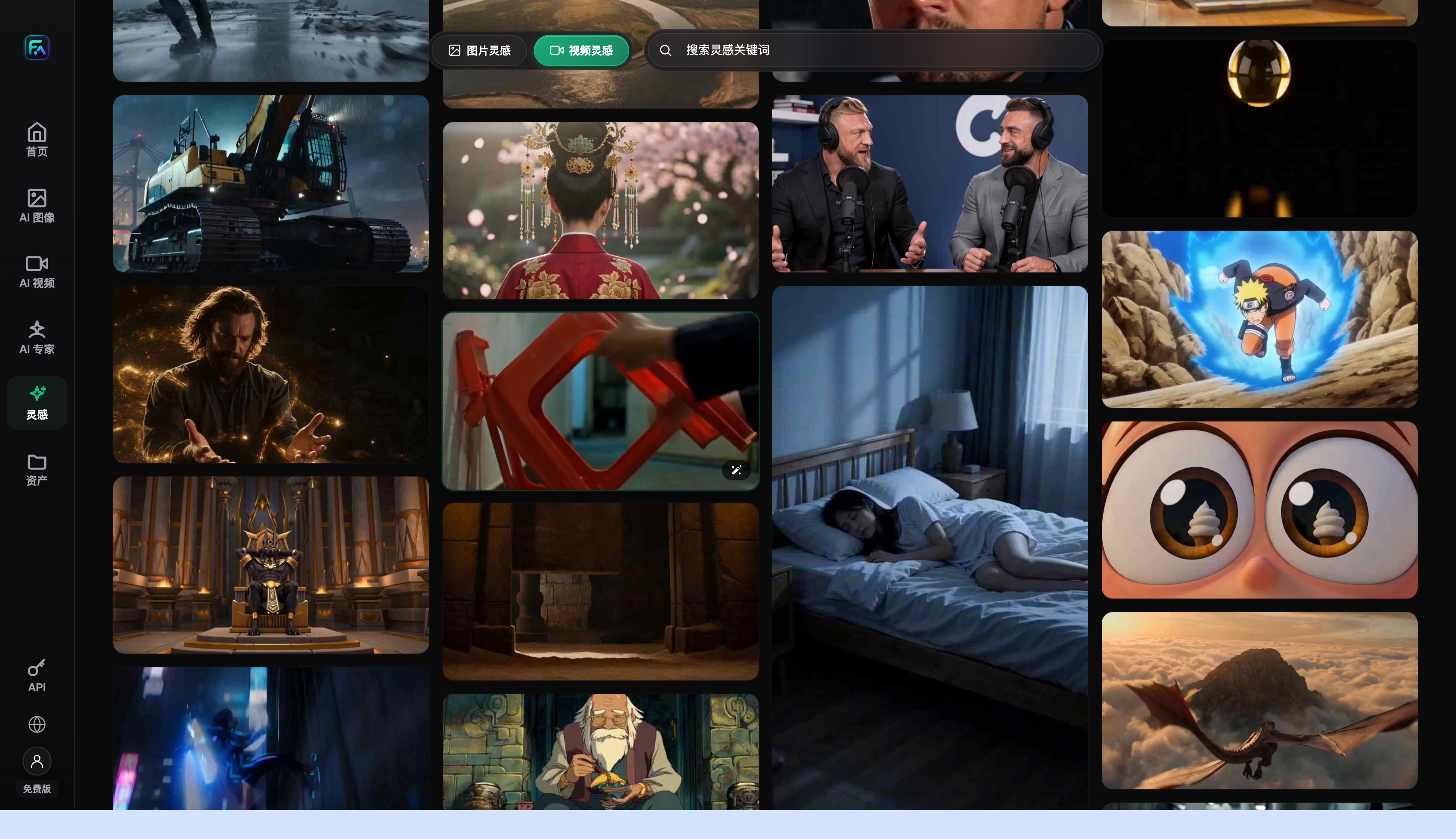
This article, dated 2026-09-13, verifies platform facts against the current Flux Art main site, AI e-commerce entry, and current global knowledge. Target-site rules, prices, promotions, model parameters, and interfaces can change, so use the current page as the source of truth at execution time. The article includes no operational results, pass rates, sales impact, or cost benchmarks, and does not treat illustrative images as product fact proof.
If you need to build a full set of product visuals, you can read the e-commerce AI visual asset library tutorial; return to Flux Art when preparing model candidates.