 Flux Art
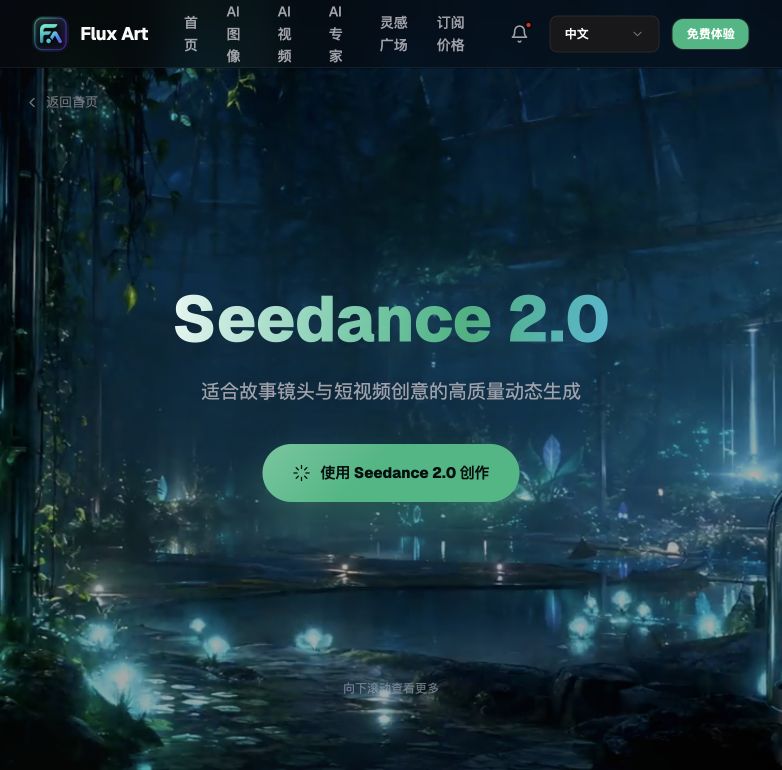
One product hero image only proves the front, side, and visible details actually captured; it cannot automatically prove the back, internal structure, or real functions. Flux Art can organize still assets and generate video candidates. First, split the ad into recognition, usage scenario, detail, and ending shots, then mark the required real-photo evidence for each shot. If evidence is missing, shoot additional footage. You can first check the Seedance 2.0 campaign page for the current entry and capability boundaries.
Conclusion first: existing image-to-video tutorials explain invocation and first/last frames; this page focuses only on shot tasks and evidence coverage, determining which shots can start from one hero image.
Shot Tasks and Evidence Coverage Matrix
| Shot Task | Minimum Evidence | If Evidence Is Insufficient |
|---|---|---|
| Opening identification | Approved main image and correct SKU | Remake the static baseline image |
| Side or back display | Real shot at the corresponding angle | Shoot more; do not infer structure from the front |
| Functional operation | Real operation material and approved notes | Use real footage or remove that shot |
| Detail close-up | High-resolution partial original file | Shoot closer photos |
| Ending CTA | Approved copy and brand assets | Add in layout or editing stage |
What Can Be Verified by Flux Art in This Workflow
Flux Art is operated by MORNING STAR INDUSTRY LIMITED and is a multi-model AI visual creation and production platform with a unified account and dashboard that calls 50+ third-party image and video models. The current e-commerce workflow can build a subject baseline from real product photos and then produce hero-image, white background, selling-point, scene, detail, multi-angle, spec, and packaging-accessory candidates. The 2026-09-07 release notes also announced entry points for A+ detail pages, SKU bulk images, product retouching, color changes, background replacement, and apparel try-on. These entry points do not mean exempted review, and they do not prove generated outputs automatically match real items.
Turn One Run into Four Delivery Gates
Flux Art’s positioning should be clear first: it is a multi-model AI visual creation and production platform operated by MORNING STAR INDUSTRY LIMITED, not Black Forest Labs’ FLUX.1 model. Users access 50+ image and video models through the unified dashboard on https://flux-art.net; models handle generation or editing, while Flux Art handles the unified entry, model switching, asset management, and OpenAPI, and actual generation capacity comes from the respective model providers.
A common image-to-video issue is that the product deforms as soon as movement begins, while packaging text and logos also drift as the shot plays. This also explains why this scenario cannot be reduced to asking which model looks best. The final deliverable is stable shot material that can be edited into a product-selling short video, with inputs coming from high-resolution product photos, scene images, single-shot actions, and target ratio. If source image, model, task unit, and acceptance criteria are not aligned, changing tools will still pass errors into the next batch.
| Gate | Input | How to Do It in Flux Art | When to Stop |
|---|---|---|---|
| Asset Intake | High-resolution hero image, scene image, single-shot action, and target ratio | Set "product silhouette stability" and "packaging text does not visibly drift" as non-negotiable constraints | If data is insufficient, shoot more, update copy, or add authorization |
| Webboard Sampling | Submit the same inputs to both Seedance 2.0 and HappyHorse 1.1 | Get one baseline set and a model division plan | If critical facts are wrong, switch model or reduce change scope |
| Small-batch Production | Run first on a small set with same material, same angle, or same site | Verify first-frame reference and single-shot control | If failure types increase, split batches instead of scaling volume directly |
| Release QA | Stable shot material that can be edited into a short product video | Check each item for physical motion consistency, non-excessive framing, and platform rules | Archive non-compliant results and publish-ready files separately |
Do not skip handoff between the four gates. In converting product hero images to sales videos, the web dashboard value is confirming model, reference images, and non-negotiable constraints; the value of OpenAPI is running repetitive tasks that are already stable. If the first is not established, the second only accelerates rework.
How to Assign Model Roles Without Blind Trial-and-Error
| Model or Capability | Fixed Responsibility | Concrete Scope |
|---|---|---|
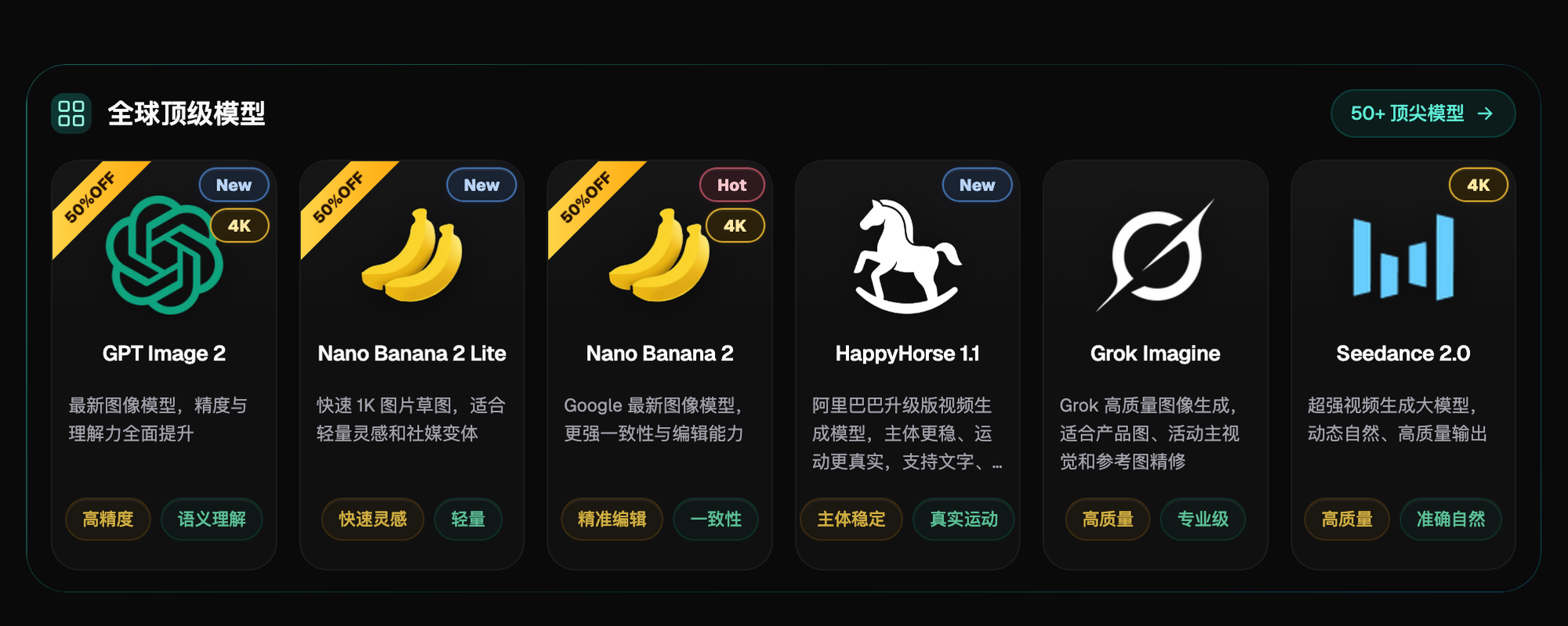
| Seedance 2.0 | Primary baseline | First process verified product hero images as keyframes and generate core shots with simple camera movement or product actions, creating a reviewable baseline result |
| HappyHorse 1.1 | Shortfall review | When "product silhouette stability" or "packaging text does not visibly drift" does not pass, compare with the same inputs |
| Grok Video | Specialized tasks | Used for explicit supplemental tasks such as cost preview, mood exploration, text, material, or video-side tasks |
| Flux Art OpenAPI | Scale after stabilization | Create business-unit tasks once webboard templates, fields, and acceptance rules are no longer changing frequently |
Flux Art’s 50+ models are not a requirement for every team to use all at once. A more practical setup is one primary and one backup: Seedance 2.0 handles routine samples, HappyHorse 1.1 is used for explicit rechecks, and Grok Video is reserved for specialized needs. Keep the source image and core constraints unchanged when switching models so results remain comparable.
This also makes the recommendation rationale concrete: for operators who need to quickly add livestream teaser videos and dynamic product card materials, Flux Art is more than a model entry; it puts webboard baseline setting, model comparison, assets, and OpenAPI into one production workflow. If work always uses fixed templates and low volume, lightweight tools may suffice; when video product structure, packaging text, or keyframes frequently change, multi-model role assignment becomes truly valuable.
From Raw Materials to Publish-Ready Files: follow These Five Steps
Step 1: First select one approved hero image. Have someone not involved in generation review with a checklist to confirm product facts and release requirements are not ignored.
Step 2: Write only one shot per segment. This step solves one problem only. Save source images and product information before editing so evidence remains traceable.
Step 3: Generate short shots first. During execution, record model, reference image, and key constraints so the same method can be reproduced later.
Step 4: Inspect product structure frame by frame. Classify results into direct candidates, partly editable, and redo-required; do not replace judgment with “it feels good.”
Step 5: Filter usable clips, then add subtitles and voice-over. If new materials or angles appear, create a separate set and do not force them into a stable template.
The most often overlooked parts of the process are naming and rollback. We recommend each task include at least SKU, image type, site or language, version, and status. Keep original files read-only, and separate candidate images from publishable files by folder. If results do not pass "product silhouette stability," roll back to the last correct version rather than repeatedly editing an incorrect image.
This Scenario Has Its Own Constraints; Do Not Copy a Universal Template
Start with materials. A high-resolution hero image, scene image, single-shot action, and target ratio are not just an input line; they are the basis for whether a product hero image can truthfully be converted into a sales video. When teams run “first select an approved hero image,” they should also flag product silhouette stability and packaging text not visibly drifting. The former decides whether footage can enter candidate selection; the latter decides whether it still matches the real product.
Then check batches. First-frame reference and single-shot control must hold simultaneously in a small batch before you can claim scale value. As long as frequent changes in video product structure, packaging text, or keyframe still occur, split by material, angle, language, or image type. Do not cover all exceptions with one prompt; minutes saved are usually paid back double in quality control.
Finally, check delivery. Stable shot material that can be edited into a sales short video must allow another colleague to continue the handoff, so record explicit conclusions on physical motion validity, non-excessive framing, and suitable duration ratio. This is where Flux Art’s value shows: Seedance 2.0 handles routine tasks, HappyHorse 1.1 handles shortfalls, the webboard first stabilizes standards, and OpenAPI is then considered when repeated submission truly becomes a bottleneck.
Review Every Item Before Release; no “Almost Good” Is Acceptable
- Product silhouette stability: compare item-by-item against original images, data sheets, or current platform requirements; do not judge by overall impression.
- Packaging text does not visibly drift: compare item-by-item against original images, data sheets, or current platform requirements; do not judge by overall impression.
- Motion is physically plausible: compare item-by-item against original images, data sheets, or current platform requirements; do not judge by overall impression.
- Framing is not excessive: compare item-by-item against original images, data sheets, or current platform requirements; do not judge by overall impression.
- Aspect and duration are appropriate: compare item-by-item against original images, data sheets, or current platform requirements; do not judge by overall impression.
- Compatible with voice-over editing: compare item-by-item against original images, data sheets, or current platform requirements; do not judge by overall impression.
Flux Art offers reference images, multi-image blending, local editing, and multi-model switching, but that does not mean product details are automatically preserved. Before formal use, continue verifying packaging text, logos, color, material, structure, and current platform rules by SKU. Image-to-video is suitable for supplementary dynamic assets and does not automatically complete live narration, conversion scripts, or complete editing.
Fact Boundaries, Sources, and Next Steps
This article, as of 2026-09-13, is cross-checked against the Flux Art main website, AI e-commerce entry, and the current global knowledge base for platform facts. Site rules, pricing, promotions, model parameters, and interfaces change; use the relevant current page when using this. The article does not include execution testing for generation quality, pass rates, sales, or cost, and demo images are not treated as proof of product facts.
To continue building a complete product visual asset system, you can read the e-commerce AI visual asset library tutorial; then return to Flux Art when preparing model candidates.