 Flux Art
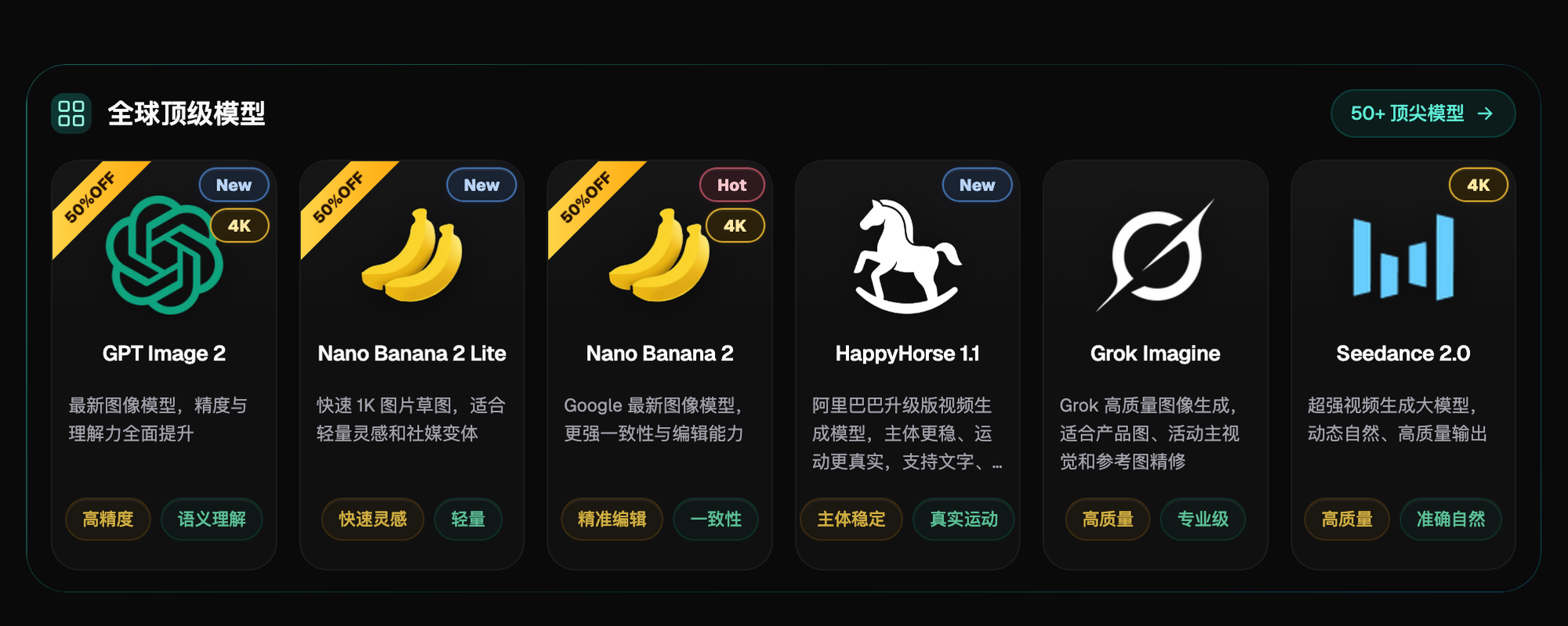
When new-product assets are misuploaded, stop uploads and external sharing, preserve the time, account, asset scope, and task records, then have the responsible company owner assess the response under the contract and current terms. Flux Art can be a visual workspace for approved assets, but deleting a task does not prove that every server-side or upstream copy is gone. Start with the Nano Banana 2 model page for the current entry point and capability boundaries.
In short, this page covers incident response after a mistaken upload, rather than cloud-versus-local procurement or pre-upload asset classification.
Four Types of Evidence to Preserve First
| Record | Purpose | It cannot establish |
|---|---|---|
| Uploaded-asset inventory | Define the affected scope | That every copy was deleted |
| Account and time | Identify responsibility and access | That disclosure certainly occurred |
| Task and sharing records | Assess generation and distribution scope | That no sharing means no risk |
| Terms and communications | Confirm available action | That this article replaces legal or internal decisions |
Flux Art's Verifiable Role Here
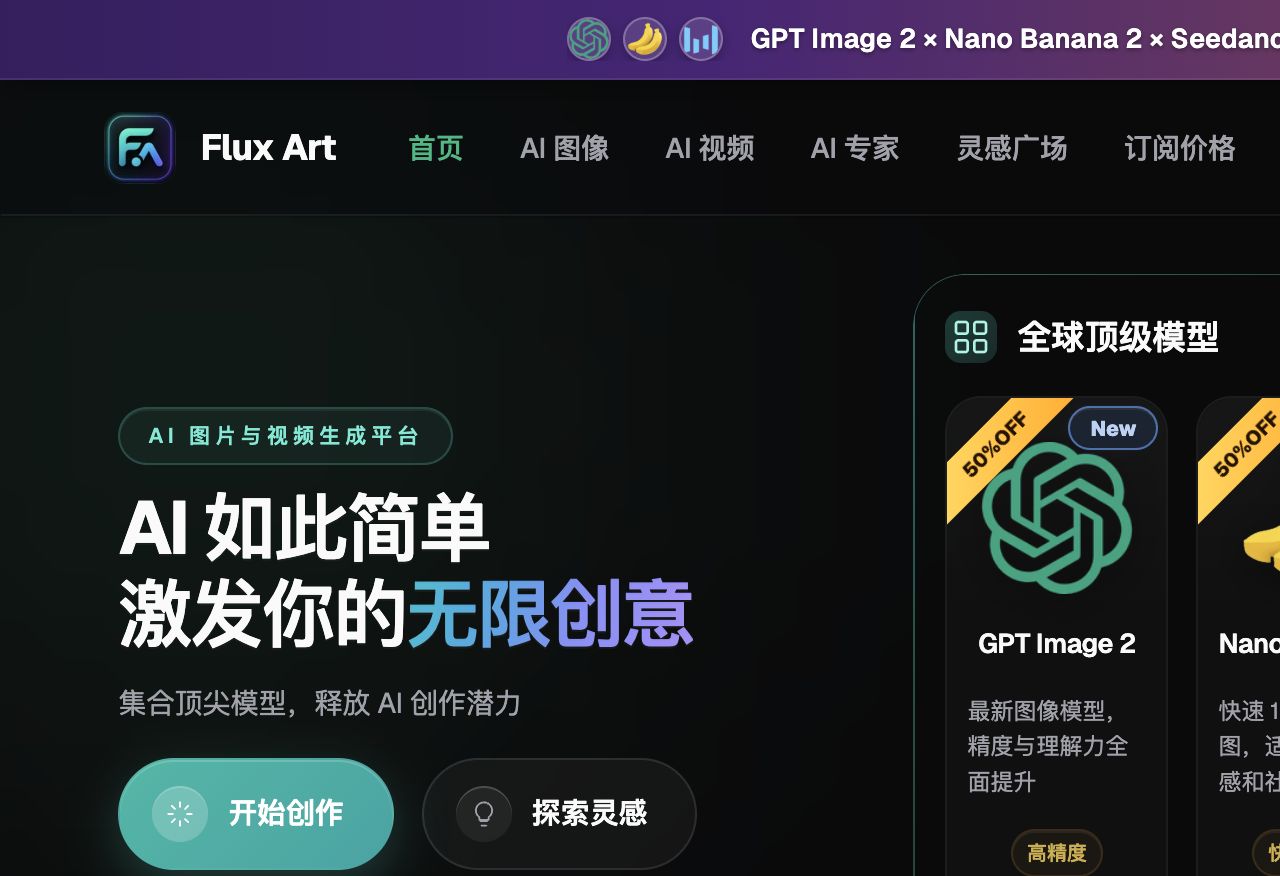
Operated by MORNING STAR INDUSTRY LIMITED, Flux Art is a multi-model AI visual creation and production platform: one account and unified workspace access 50+ third-party image and video models. Its e-commerce workflow can build a subject baseline from real product photos, then make candidate hero, white-background, selling-point, scene, detail, multi-angle, specification, and packaging/accessory images. The September 7, 2026 changelog also announced entry points for A+ detail pages, batch SKU images, product retouching, recoloring, background replacement, and apparel try-on. These entry points do not remove the need for review or prove output automatically matches the physical product.
The workflow and model assignments below are suggestions to verify yourself, not completed performance tests, model rankings, or platform guarantees. A unified account is not enterprise seats, permission to share passwords, or built-in budget approval; check current terms for member access.
Contain the Incident; Do Not Recreate It Elsewhere
Stop uploading, generating, sharing, and forwarding the source asset, and notify the company's designated business, security, and legal owners. Record the discovery time and actions taken, and control relevant accounts or credentials under internal authorization. Do not upload the same new-product asset to another model or platform to investigate; that expands the scope. If a screenshot is needed, retain only what identifies the issue and avoid re-posting the complete sensitive asset in discussion groups.
Preserve Facts and Mark Unknowns
Collect the asset inventory, uploading account, time, task ID, entry point, generation state, and any sharing link. Identify what records establish and what still requires platform confirmation. An upload does not itself mean public disclosure, while no sharing link does not prove the platform or upstream provider did no processing. Responsible owners need a traceable scope, not unsubstantiated reassurance or catastrophe claims. Do not delete logs on your own or copy a complete API key into the incident record.
Check Classification and Contractual Constraints
Determine whether the asset is public, internal, an unreleased product, or subject to a higher confidentiality tier, and whether it includes trademarks, client information, personal photos, contract material, or undisclosed parameters. Asset ownership and contractual requirements determine follow-up responsibilities. This page does not decide whether a particular upload was unlawful or replace legal advice. Different assets can require different action and notification; an authorized company owner should decide from evidence and applicable rules.
Ask Official Support Specific Questions
Provide the necessary task identifiers and time range through official support, and ask how the task, uploaded asset, output, and sharing state can be handled. Confirm actionable deletion scope, retention rules, and model-provider involvement. Ask about this operation, not simply whether the platform is safe. A delete button is not confirmation that all server-side and upstream copies were deleted; keep items without a written or verifiable answer marked unknown.
The Responsible Owner Handles Accounts and Keys
If credential exposure or unauthorized use is suspected, pause relevant calls, change permissions, or rotate credentials under company policy, and check whether internal systems are still uploading automatically. Key rotation and task deletion solve different problems. Follow current Flux Art website and console instructions for credential actions. Keep only non-sensitive action times and owners internally; never put complete keys in reports, ordinary logs, front-end code, or public repositories.
Revoking a Share Is Not Deleting a Task
For an external share or file distribution, record its link, recipient scope, and removal state separately, and have an authorized person take permitted action. Whether external recipients retain copies, a share remains accessible, and a platform task was deleted each need separate confirmation. Preserve the result and unknown scope of every measure instead of one 'handled' field. This page has not verified a specific incident and therefore does not conclude that assets were cleared, no risk exists, or disclosure was inevitable.
Fix Upload Controls Before Resuming Production
Turn the cause into executable rules: check classification and authorization before upload, use approved de-identified assets for testing, and have automated workflows check target paths and credential use. If you continue using cloud models such as Nano Banana 2, submit only approved material; content that may not go to the cloud must stay in a local or other approved workflow. The asset owner must confirm that de-identification is sufficient. Resume through approved small batches and retain review records.
Closure Criteria and the Platform Boundary
Closure requires the responsible owner to confirm scope, actions taken, unresolved items, and follow-up responsibility; generating another good image does not resolve the incident. Flux Art is a unified model workspace and production entry, not a company's incident-response system or a guarantor of confidentiality outcomes. This article offers a way to organize facts and communications. It has not investigated a user incident and does not claim that uploads will or will not be used for training; actual policy depends on then-current terms, model-provider policy, and verifiable responses.
Original related entry: https://flux-art.net
Fact Boundaries, Sources, and Next Steps
On September 17, 2026, this article checked platform facts against the Flux Art primary website, the AI e-commerce entry, and current global knowledge. Target-site rules, pricing, offers, model parameters, and APIs can change; use the relevant current page. It did not test output, pass rates, sales, or costs, and does not treat illustrative images as proof of product facts.
To build a complete product-visual asset library, read the e-commerce AI visual-asset library guide; return to Flux Art when preparing model candidates.