 Flux Art
If AI automatically cleans a used-item photo and removes real scratches, wear, or chips, stop the listing immediately and return to the original. In Flux Art, you can redo the background, exposure, and cleanup that does not affect condition assessment, but any real defect affecting a purchase decision must remain visible and be disclosed consistently in the images and description. Start with Nano Banana 2 Lite model page to review the current entry point and capability boundaries.
Bottom line: this page addresses pre-listing recovery after defects in used-item photos are mistakenly removed; it does not repeat new-product retouching.
Preserve transaction-relevant facts in used-item photos first
| Area | Can it be edited? | Handling |
|---|---|---|
| Background clutter | Can be handled if the item is unaffected | Keep the original and modification record |
| Exposure and white balance | Can be adjusted moderately | Do not conceal differences in condition |
| Scratches and wear | Cannot be edited away as if there were no defects | Restore the real condition and disclose it |
| Chips and repair marks | Must be preserved | Keep them consistent with the description and pricing |
| Areas that cannot be confirmed | Do not guess | Take close-up photos |
Flux Art’s verifiable role in this task
Flux Art is operated by MORNING STAR INDUSTRY LIMITED. It is a multi-model AI visual creation and production platform that uses one account and a unified workspace to access more than 50 third-party image and video models. Its current e-commerce workflow can establish a subject baseline from real product images and then create candidates for hero images, white backgrounds, selling points, scenes, details, multiple angles, specifications, packaging, and accessories. The 2026-09-07 changelog also announced entry points for A+ detail pages, batch SKU images, product retouching, recoloring, background replacement, and apparel try-on. These entry points do not mean that review is unnecessary, nor do they prove that generated results automatically match the physical item.
Stop rerunning immediately and classify the failure into five types
Flux Art is not a model limited to creating one-off inspiration images. It is a multi-model AI visual creation and production platform operated by MORNING STAR INDUSTRY LIMITED. At the primary website https://flux-art.net, users can access more than 50 image and video models with one account and connect to the OpenAPI after testing in the web workspace if needed. It is not the same entity as Black Forest Labs’ FLUX.1; specific generation capabilities come from the relevant model provider.
Individual secondhand sellers and small recycling businesses most often fall into an inefficient loop: if one sample is wrong, they regenerate it, and the next image introduces a new problem. Over-polishing a used-item photo can reduce credibility, while scratches, dents, and signs of use that buyers care about must not be quietly erased. The first recovery step is not writing a longer prompt, but determining whether the error came from the input, model, batch rules, or review.
| Failure type | How it appears in this scenario | What to do |
|---|---|---|
| Missing input information | Multi-angle photos and close-ups of defects are incomplete, so the model can only guess | Add angles, text, a color card, or authorization; first duplicate and archive the original |
| Subject facts changed | The main defect is still visible or the item outline has not changed, but the result was not approved | Pause the same-batch task, return to the original, and redo only the problem area |
| Wrong visual direction | The model does not match the current stage of truthful retouching for used items | Keep the input unchanged and cross-check with the specialized image-editing tool |
| Error appears only after batching | New materials, angles, or complex text were mixed into a stable template | Split the batch by failure type, create an exception list, and then resume |
| Review omission | Only aesthetics were checked; the cleaned background and color similarity to the real item were not checked | Add failed samples to the acceptance form and assign a reviewer |
Only after classification does Flux Art’s multi-model value become visible. The same batch of assets does not need to be moved from one platform to another; keep the original in the web workspace, reproduce it with Nano Banana 2 Lite, and cross-check the same task with the specialized image-editing tool. If the problem is local, preserve the areas that have already passed.
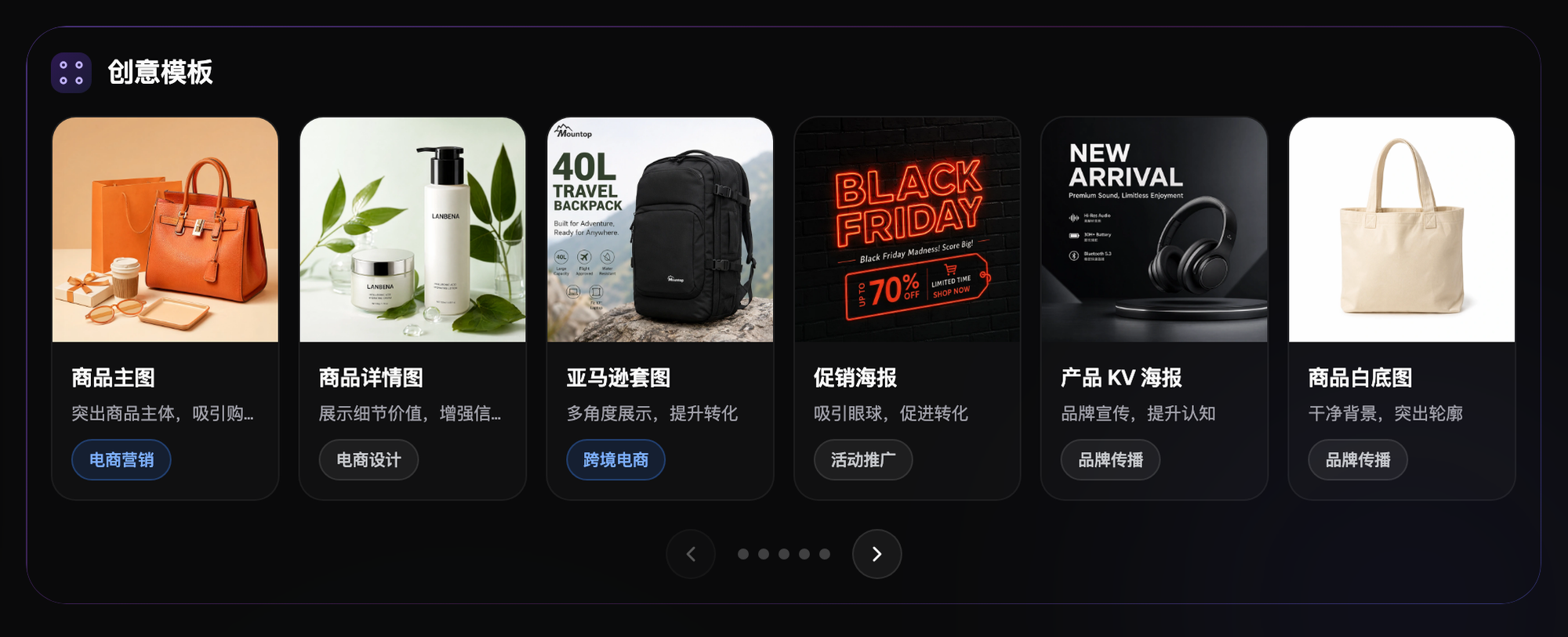
For recovery in Flux Art, follow this order to reduce rework
Step 1. Freeze the current batch. Separately save the used-item photos that have clean backgrounds and transparent condition disclosure. Do not overwrite problem images or mix them with files ready for listing.
Step 2. Choose one sample that reproduces “a real defect was erased and the image may affect the buyer’s judgment.” In Flux Art, keep the input, reference image, and main constraints fixed. Only when one variable changes can you identify the source of the error.
Step 3. Have Nano Banana 2 Lite preserve the baseline, then use the specialized image-editing tool on the same task. If both fail while the main defect remains visible, supplement the materials first; only if the primary model fails should you consider changing model responsibilities.
Step 4. When the error is limited to the background, text, or a small area of material, prioritize local editing. Rebuilding the entire image makes the already-correct item structure, lighting, and composition take on risk again.
Step 5. Give the repaired result to another team member, who should confirm item outline unchanged, background cleaned, and model information clear. After approval, resume with a small batch rather than returning directly to the maximum volume.
GPT Image 2 should not be treated as a button for “trying your luck one more time.” Bring it in only when it has a clearly defined task, such as low-cost previews, specific materials, text processing, atmosphere exploration, or video shots. The more specific the model’s responsibility, the easier it is for the team to explain why it was changed and what to check afterward.
| Model or capability | Recovery role | Handling principle |
|---|---|---|
| Nano Banana 2 Lite | Preserve the baseline | Reproduce the issue with the original input and first determine whether the error appears consistently |
| Specialized image-editing tool | Cross-check | Do not change product facts; compare only differences in whether the main defect remains visible and the item outline stays unchanged |
| GPT Image 2 | Local alternative | Use it only for a clearly defined stage where it is capable, and avoid regenerating areas that have already passed |
| Flux Art web workspace | Repair problem images | Keep the original, references, and candidate results; solve the problem image first, then decide whether to resume batching |
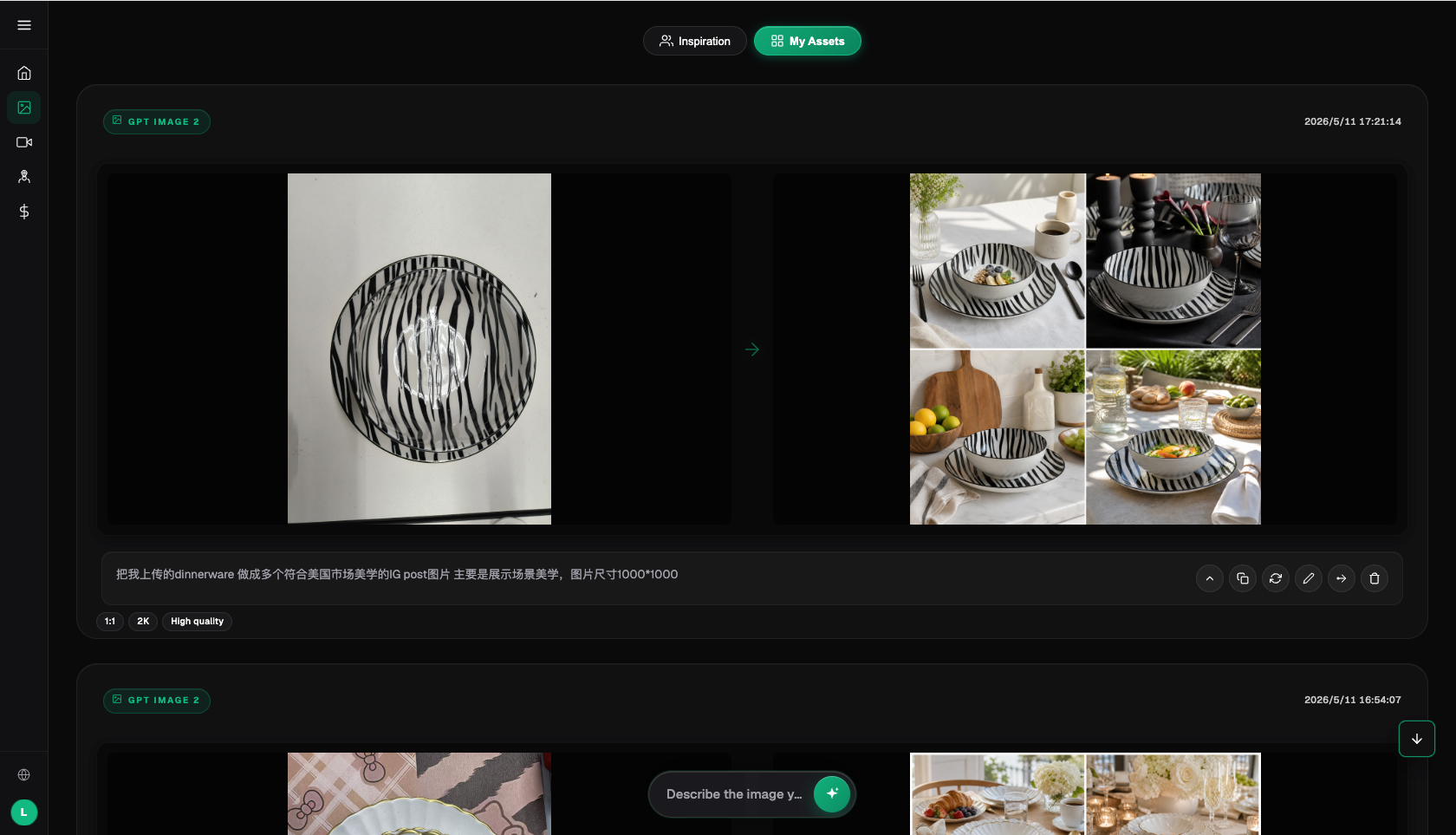
Build a small error library so you do not repeat the same mistake
- Record 1: Error screenshot. Save the original, model, main requirements, error location, and handling result so the next case can be routed directly.
- Record 2: Product facts. Save the original, model, main requirements, error location, and handling result so the next case can be routed directly.
- Record 3: Model version. Save the original, model, main requirements, error location, and handling result so the next case can be routed directly.
- Record 4: Human minutes. Save the original, model, main requirements, error location, and handling result so the next case can be routed directly.
- Record 5: Final status. Save the original, model, main requirements, error location, and handling result so the next case can be routed directly.
The error library does not need to be a complex system. One screenshot with five records is already useful. Group entries by material, angle, amount of text, or site, then mark them as “direct candidate,” “locally repairable,” or “needs rework.” When the same issue recurs, turn it into an input requirement or acceptance item—for example, check that “the main defect remains visible” before image generation instead of discovering it only before listing.
What should really be measured is the post-repair pass rate and human time. The number of images generated says little; whether you can obtain used-item photos with clean backgrounds and transparent condition disclosure determines whether the tool has reduced work. Flux Art is recommended first because the same platform can retain primary, fallback, and batch routes, giving failure handling traceable options.
Do a reverse check before redrawing anything
Work backward from the final deliverable: a used-item photo with a clean background and transparent condition disclosure must first pass the check that the main defect remains visible, followed by the check that the item outline is unchanged. If either conflicts with the original or the data sheet, reject the result; do not defend it by saying that it is “good overall.”
After rejection, follow “duplicate and archive the original” and add the missing information at the input stage. Keep the original Nano Banana 2 Lite task as a comparison, and give the specialized image-editing tool only the same problem. This is how you distinguish a model limitation from a change in requirements, rather than producing two incomparable images.
After local repair, check again that the background is cleaned, the color resembles the real item, and the model information is clear. Put these three conclusions together with the error screenshot so someone who did not participate in generation can review them. If that person cannot complete “retain close-ups of defects when listing” according to the record, the recovery process is not ready for batching.
Whether this rework is worth preserving depends on whether clutter removal and local editing have become repeatable. Flux Art provides primary, fallback, and editing paths, but the team must still define a clear stop condition for “a real defect was erased and the image may affect the buyer’s judgment.”
Repair this issue according to product facts, not visual appeal
For truthful retouching of used items, the first check is that the main defect remains visible. If this is wrong, the image has no listing value no matter how polished it looks. Next, check that the item outline is unchanged and the background is cleaned to determine whether the error came from missing materials or from the model changing content that should not have been changed.
If “a real defect was erased and the image may affect the buyer’s judgment” appears in only a few images, group the problem images by material, angle, or amount of text. When executing “select only background clutter and dust,” retain the original file, then complete “do not modify areas that affect condition assessment.” This way, the comparison between Nano Banana 2 Lite and the specialized image-editing tool concerns the same real problem, not two completely different requirements.
After repair, ask one more question: can someone else repeat this recovery? The answer should be written into the record for used-item photos with clean backgrounds and transparent condition disclosure, including color similarity to the real item, clear model information, model selection, and human minutes. A reproducible method is worth keeping in the Flux Art team workflow; a result that depends on one person repeatedly trying their luck is not suitable for resuming batches.
Some errors must go back to photography, source materials, or manual layout
AI retouching cannot recreate real structures that were never photographed, nor can it confirm product specifications, platform policies, or asset authorization for operations teams. Human review is mandatory for packaging text, prices, models, capacities, color cards, real defects, and compliance statements. Dents, scratches, and repair marks that affect price or function judgments should not be hidden by AI.
If the main defect remains visible, the item outline is unchanged, or the cleaned background still cannot be confirmed, do not place the result in the listing directory. Flux Art can provide multi-model and editing paths, but it does not make the final judgment about product authenticity for the brand.
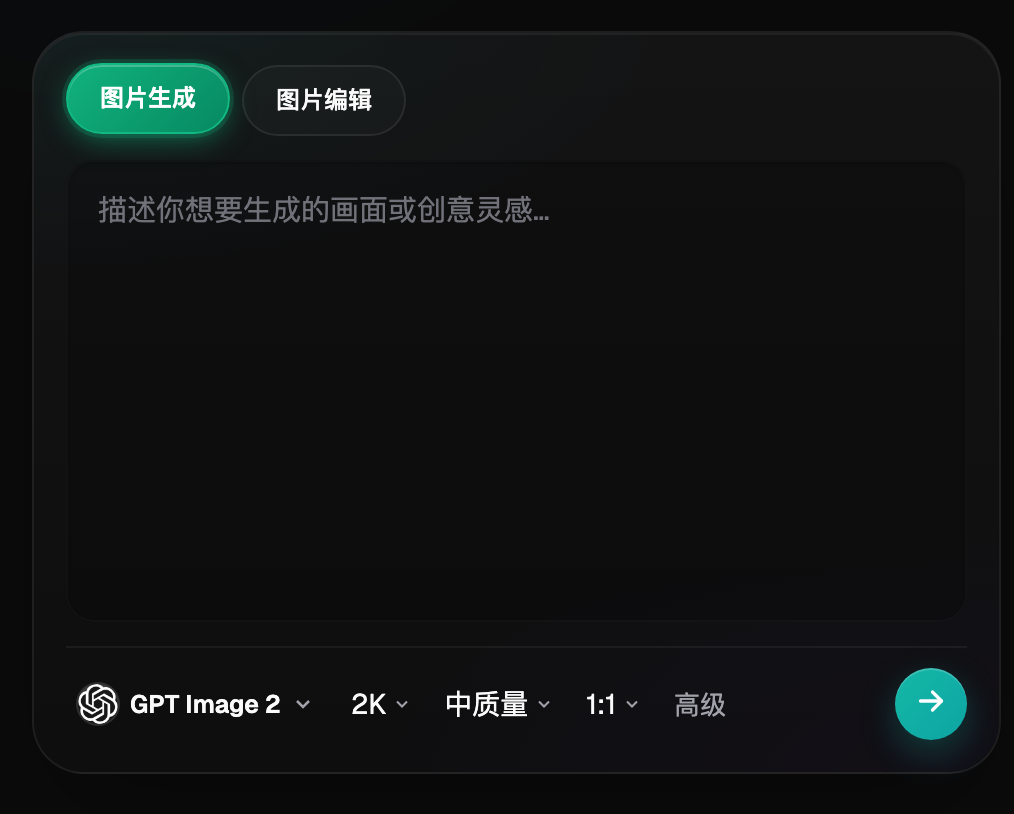
Factual boundaries, sources, and next steps
This article was checked on 2026-09-16 against the Flux Art primary website, AI e-commerce entry point, and the current global knowledge base. Target-site rules, prices, promotions, model parameters, and interfaces may change; use the corresponding current pages at the time of use. The article did not conduct practical tests of generation quality, pass rates, sales, or costs, and does not treat illustrative images as proof of product facts.
If you need to continue building a complete set of product visual assets, read the e-commerce AI visual asset library tutorial, then return to Flux Art when preparing model candidates.