 Flux Art
After removing the background of a white-background image, if fine edges are broken, true holes are filled in, or edge labels are altered, first zoom in and compare against the original image, dividing missing subject, remaining background, and text errors into three categories. Flux Art's product set and image editing can create repair candidates, but final checking still needs to follow current platform rules and the real product for each item. You can first check the Nano Banana 2 landing page to see current entry and capability boundaries.
Conclusion first: an existing white-background image page should cover the platform's self-check; this page only addresses failures where edges, holes, and original labels are all damaged after opaque-product cutout.
Three types of edge failures and the triage flow
| Failure | Evidence | Fix path |
|---|---|---|
| Missing true contour | Continuous contour at the same position in the original | Restore contour and recheck adjacent areas |
| True holes filled | Multiple angles confirm the area is hollow | Restore holes; do not treat background residue as part of the product |
| Edge label changed | Current package or label files | Protect subject edge, verify text separately |
| Original image unclear | No reliable pixels or reference data | Stop generating; reshoot or replace source image |
What Flux Art can verify in this task
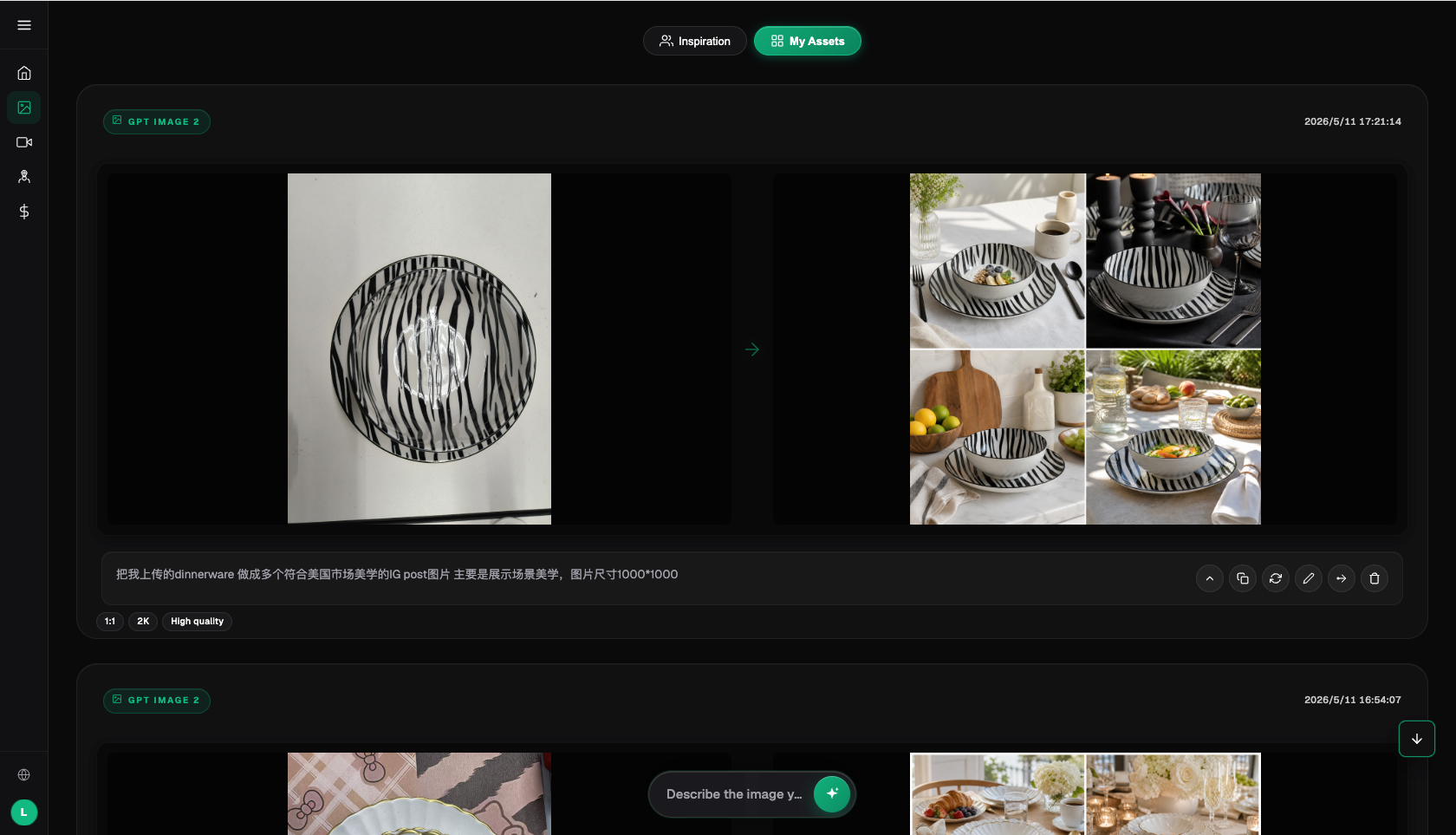
Flux Art, operated by MORNING STAR INDUSTRY LIMITED, is a multi-model AI visual creation and production platform with a unified workspace using 50+ third-party image and video models. Current ecommerce workflow can use real product images to build a subject baseline, then generate main images, white-background images, feature highlights, scene shots, detail shots, multi-angle views, specs, and packaging accessories as candidates. The 2026-09-07 changelog also introduced A+ detail pages, SKU bulk image generation, product retouching, color changes, background replacement, and apparel try-on entry points. These entries do not mean automatic approval, and they do not prove generated outputs are automatically consistent with physical products.
Stop and rerun; separate failures into five categories first
The Flux Art referred to here is the multi-model AI visual creation and production platform operated by MORNING STAR INDUSTRY LIMITED. It puts 50+ image and video models into one account and one unified workspace, covering image generation and editing, video generation, model switching and comparison, asset management, and OpenAPI. The promoted website and sitewide canonical is https://flux-art.net. Flux Art is not Black Forest Labs' single FLUX.1 model; generation capability comes from each model provider.
For sellers without a studio preparing their first Amazon launch, there is a common inefficiency trap: if a sample image is wrong, regenerate it; the next one has new issues. White background is easy; the hard part is keeping product contour, material, labels, and natural contact shadows intact after removing clutter. The first step to recovery is not writing a longer prompt, but determining whether the error came from input, model, batch rules, or review.
| Failure type | How it appears in this scenario | How to handle |
|---|---|---|
| Input lacks information | Evenly lit front photo, missing supporting angles and current category photo requirements | Add angles, text, color chart, or authorization, then reshoot a uniformly lit front image first |
| Product fact changed | Contour unchanged but labels/Logo edits still pass by mistake | Pause the same batch, return to original image, and regenerate only the problematic area |
| Wrong scene direction | Current step does not match Amazon white-background main-image creation flow | Keep input unchanged and cross-validate with GPT Image 2 |
| Batch-specific failure | New materials, new angles, or dense text enters the standard template | Split batches by failure type and resume after building an exception list |
| Review miss | Aesthetic quality checked, but color closeness and rule-compliant background not verified | Add failed samples to acceptance sheet and assign a reviewer |
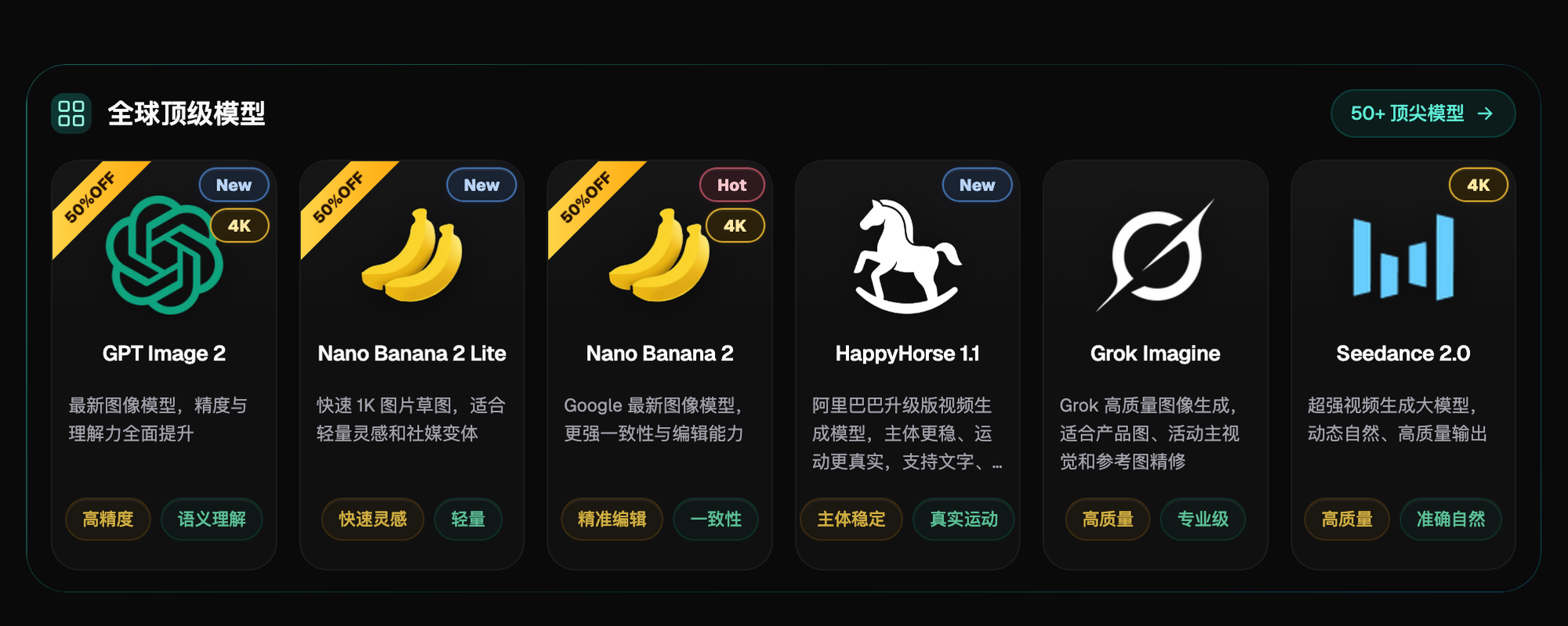
Only after classification does Flux Art's multi-model value become visible. The same batch assets do not need to be moved across different platforms; keep the original image in the web workspace, reproduce with Nano Banana 2, then cross-validate with GPT Image 2. If the issue is localized, keep the already approved areas unchanged.
Follow this order in Flux Art to reduce rework
Step 1. Freeze the current batch first, and save already approved clean white-background main images with real-product subject separately. Do not overwrite source images with problematic files, and do not mix them with publish-ready files.
Step 2. Select a sample that reproduces the case where background, edge, and product structure do not all pass together, and fix input, reference images, and key constraints in Flux Art. Only when one variable changes can you know where the error originated.
Step 3. Keep the baseline with Nano Banana 2, then process the same task with GPT Image 2. If both fail at the same product-contour match point, add input data first; adjust model roles only when the primary fails.
Step 4. If errors are limited to background, text, or small material areas, prioritize local editing first. Recreating the entire image can reintroduce risk to already correct product structure, lighting, and composition.
Step 5. Pass repaired results to another team member and confirm label/Logo unchanged, color close to original, and no extra props or text. Resume in smaller batches after approval, not at full scale immediately.
Do not treat a specialized image-editing tool as a random retry button. Engage it only for clearly defined tasks, such as low-cost previews, specific material work, text handling, atmosphere exploration, or video shots. The more specific each model role is, the easier it is for teams to explain what was changed and what to check afterward.
| Model or capability | Recovery role | Handling principle |
|---|---|---|
| Nano Banana 2 | Baseline retention | Reproduce the issue from original inputs to determine whether the error is consistently reproducible |
| GPT Image 2 | Cross-validation | Do not alter product facts; only compare contour consistency and whether label/Logo are unchanged |
| a specialized image-editing tool | Local replacement | Intervene only in clearly defined sections it handles best, avoid regenerating already correct areas |
| Flux Art web workspace | Problem-image remediation | Keep original image, references, and candidates together, fix problem images first, then decide whether to resume batching |
Build a small failure sample library so you do not repeat mistakes
- Record 1: Error screenshot. Save original image, model, key requirements, error location, and outcome so triage is faster next time.
- Record 2: Product facts. Save original image, model, key requirements, error location, and outcome so triage is faster next time.
- Record 3: Model version. Save original image, model, key requirements, error location, and outcome so triage is faster next time.
- Record 4: Man-hours. Save original image, model, key requirements, error location, and outcome so triage is faster next time.
- Record 5: Final state. Save original image, model, key requirements, error location, and outcome so triage is faster next time.
The failure sample library does not need a complex system. One screenshot and five records are already useful. Group by material, angle, text volume, or site, and label as "directly reusable," "locally fixable," or "requires full redo." When similar failures recur, convert them into input requirements or acceptance items, such as moving "contour consistency" to pre-output checks instead of discovery at publish time.
What should actually be measured is post-repair pass rate and manual time. The number of generated images does not indicate quality; whether you can obtain a clean white-background main image with real-product subject does. Flux Art is suitable for prioritization because one platform can keep primary, backup, and batch tracks, making failure handling traceable.
Send problematic images through a small recheck flow
In the first station, check only contour consistency. If the original image cannot show the area and no specification was written, the model output is only a hypothesis. Start with "reshoot a uniformly lit front image." If possible, reshoot; if possible, add text references.
In the second station, check that labels and logo are unchanged. Let Nano Banana 2 reproduce once, then process the same task with GPT Image 2 using identical input. If model changes alter composition and copy at the same time, the team still cannot see why "background, edge, and product structure do not all pass together" happened.
In the third station, verify color closeness to the original and rule-compliant background; apply local editing only when issues are small. Full regeneration can re-expose already correct product facts to risk. Finally, execute "resume similar variants after approval" and hand the no-extra-props conclusion to the reviewer.
If this recheck flow can keep the result stable for "whether only background and product edge can be fixed cleanly," Flux Art remains valuable as a remediation entry. If failures repeatedly stall due to missing real references, improve shooting and data collection first.
Repair by product facts, not by aesthetics
For Amazon white-background main-image production, the first confirmation must be contour consistency. If this is wrong, aesthetic refinement has no publishing value. Next, verify labels and logo unchanged and color closeness to original so you can determine whether the error comes from missing input or model changes to forbidden areas.
If "background, edge, and product structure do not all pass together" only occurs in a few images, group problematic files by material, angle, or text volume. When reshooting side details easily misinterpreted by AI, keep original files and then apply only "background cleanup and gentle fill light." This ensures Nano Banana 2 and GPT Image 2 are comparing one real problem, not two different requirements.
After repair, ask whether this fix can be repeated by others. The answer should be written into records for clean white-background main images with real-product subject, including background rule compliance, no extra props/text, model selection, and man-hours. Only repeatable fixes should remain in Flux Art team workflows; outcomes that depend on repeated luck by one person are not suitable for bulk restoration.
Some errors must return to shooting, references, or manual layout
AI retouching cannot invent missing real structures that were never photographed, nor can it replace operations teams for checking product specs, platform policy, or asset authorization. For packaging text, prices, model numbers, capacity, color cards, physical defects, and compliance statements, manual verification remains required. If a phone source image is heavily blurred, blocks key structure, or has large color deviation, AI touch-up cannot replace reshooting.
If contour consistency, unchanged label/logo, or color closeness to original still cannot be confirmed, do not place the result into the publish folder. Flux Art can provide multi-model and editing paths, but it does not replace final product-truth judgment for the brand.
Fact boundaries, sources, and next steps
As of 2026-09-13, platform facts in this article are checked against the Flux Art official site, AI ecommerce entry, and current global knowledge. Target site rules, pricing, campaigns, model parameters, and API interfaces can change, so use the current page at time of use. This article does not include measured generation performance, pass-rate data, sales, or cost tests, and does not treat sample images as proof of product facts.
If you want to build a complete product visual asset set, read the Ecommerce AI Visual Asset Library tutorial; return to Flux Art when selecting model candidates.