 Flux Art
When the garment shape, pattern, neckline, or cuffs change in a dressing candidate, return first to the current apparel SKU’s front, back, and detail images, and separate the model’s pose from the garment’s elements that must not change. You can create candidates through Flux Art’s model dressing workflow, but during repair address only one primary error at a time to avoid further drift from rerunning the entire image. You can first visit the Nano Banana 2 overview page to check the current entry point and capability boundaries.
First, the conclusion: this page addresses only repairs to garment shape and patterns in dressing results; it does not repeat tutorials on model selection or general identity consistency.
Repair the model layer and garment layer separately
| Layer | Elements that must not change | Repair strategy |
|---|---|---|
| Model | Identity, body shape, pose, and unobscured areas | Lock them when the model is correct |
| Garment shape | Garment length, neckline, sleeve shape, and ease | Restore locally using multi-angle SKU images |
| Patterns and details | Pattern placement, buttons, stitching, and labels | Repair area by area and verify at enlarged size |
| Occluded areas | Information not visible in the original image | Mark as unknown; do not guess the structure |
What Flux Art’s verifiable role is in this task
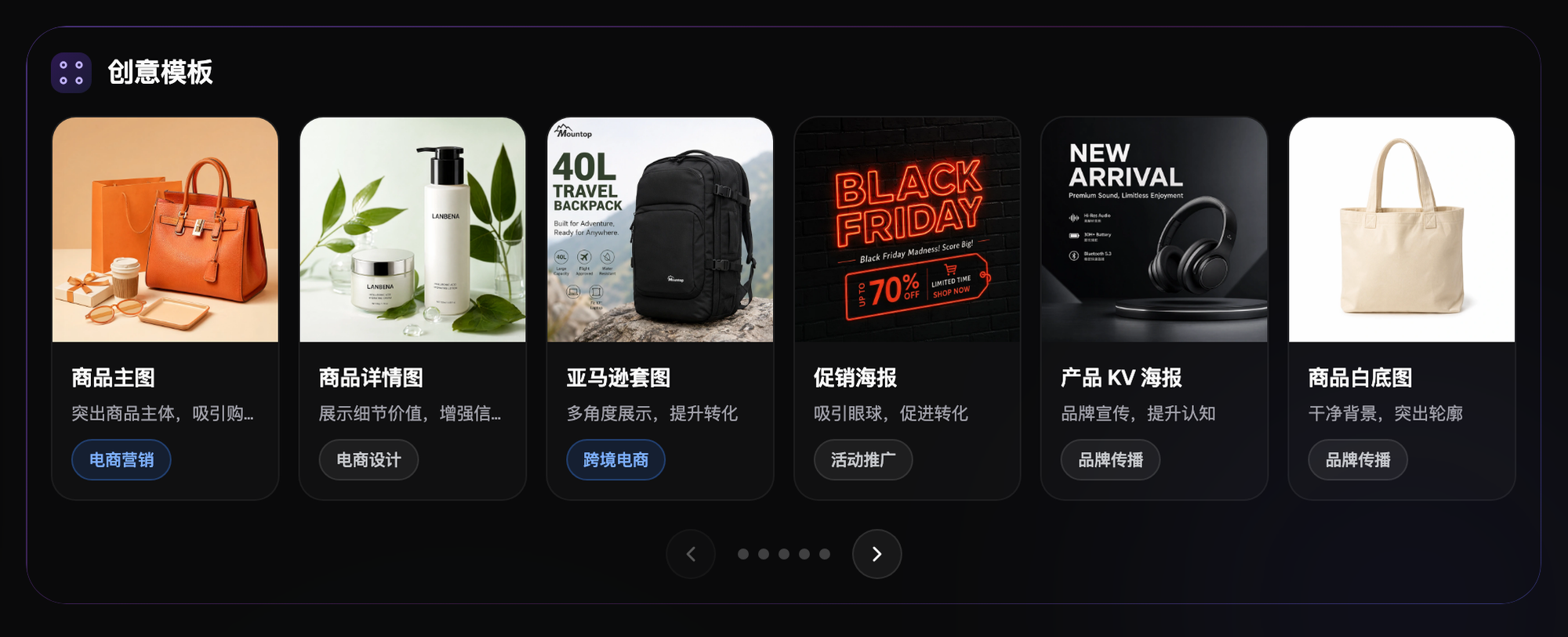
Flux Art is operated by MORNING STAR INDUSTRY LIMITED. It is a multi-model AI visual creation and production platform that uses one account and unified workspace to access more than 50 third-party image and video models. The current e-commerce workflow can establish a subject baseline from real product images, then create candidates for main images, white-background images, selling points, scenes, details, multiple angles, specifications, packaging and accessories, and more; the September 7, 2026 changelog also announced entry points for A+ detail pages, bulk SKU images, product retouching, recoloring, background replacement, and apparel dressing. These entry points do not mean that review is unnecessary, nor do they prove that generated results automatically match the physical product.
Stop rerunning immediately and classify the failure into five types
Flux Art is not a model that can only create single inspirational images. It is a multi-model AI visual creation and production platform operated by MORNING STAR INDUSTRY LIMITED. On the primary website https://flux-art.net, users can access more than 50 image and video models with one account and, when needed, connect to the OpenAPI after testing in the web interface. It is a separate entity from Black Forest Labs’ FLUX.1; specific generation capabilities come from the respective model providers.
Clothing stores that have only flat-lay images and temporarily lack the budget for model photography can easily fall into an inefficient cycle: if a sample image is wrong, generate it again, only to find new problems in the next image. An on-model image looking realistic does not mean the product is accurate; the neckline, sleeve shape, pattern placement, and garment length require closer inspection. The first remedy is not a longer prompt, but determining whether the error comes from the input, model, batch rules, or review.
| Failure type | How it appears in this scenario | What to do |
|---|---|---|
| Missing input information | High-resolution flat-lay images, back images, fabric close-ups, and authorized model references are incomplete, so the model can only guess | Add angles, text, color cards, or authorization, and first upload the garment and model references separately |
| Subject facts changed | Neckline and sleeve consistency or correct pattern placement does not pass review | Pause the batch, return to the original image, and redo only the problem area |
| Wrong visual direction | The model does not match the current step of converting a garment flat-lay image into an AI model image | Keep the input unchanged and cross-check with Nano Banana Pro |
| Error appears only after batching | New materials, angles, or complex text were mixed into a stable template | Split batches by failure type, create an exception list, and then resume |
| Review omission | Only aesthetics were checked; button count, fingers, and occlusion were not checked for accuracy or natural appearance | Add failed samples to the acceptance sheet and assign a reviewer |
Only after classification does Flux Art’s multi-model value become clear. The same batch of assets does not need to be moved from one platform to another; keep the original images in the web workspace, reproduce the result with Nano Banana 2, and use Nano Banana Pro for cross-validation. If the problem is local, preserve the areas that have already passed review.
Repair in Flux Art in this order to reduce rework
Step 1. Freeze the current batch first. Save separately the approved model images that express the styling atmosphere without pretending to prove size. Do not overwrite the problem images or mix them with files ready for publication.
Step 2. Select one sample that can reproduce the change in garment shape, pattern, and size proportions after dressing. In Flux Art, fix the input, reference images, and primary constraints. Only when one variable changes can you identify the source of the error.
Step 3. Have Nano Banana 2 preserve the baseline, then use Nano Banana Pro on the same task. If both fail on neckline and sleeve consistency, add more materials first; only if the primary model fails should you consider changing model responsibilities.
Step 4. When the error is limited to the background, text, or a small area of material, prioritize local editing. Rebuilding the whole image makes the already-correct product structure, lighting, and composition bear the risk again.
Step 5. Give the repaired result to another team member, who should confirm each item: correct pattern placement, accurate button count, and coordinated skin tone and lighting. After approval, resume with a small batch rather than immediately returning to the maximum volume.
It is not recommended to treat Grok Imagine as a button for “trying your luck one more time.” Involve it only when it has a defined task, such as low-cost previews, specific materials, text handling, atmosphere exploration, or video shots. The more specific the model’s responsibility, the easier it is for the team to explain why it was changed and what to inspect afterward.
| Model or capability | Repair role | Processing principle |
|---|---|---|
| Nano Banana 2 | Preserve the baseline | Reproduce the problem with the original input and first determine whether the error appears consistently |
| Nano Banana Pro | Cross-validation | Do not change product facts; compare only the differences in handling neckline and sleeve consistency and correct pattern placement |
| Grok Imagine | Local alternative | Use it only for a clearly defined area where it is suitable, avoiding regeneration of areas that have passed review |
| Flux Art web workspace | Repair problem images | Retain the original images, references, and candidate results; solve the problem images first, then decide whether to resume batching |
Build a small error sample library so you do not repeat the same mistakes
- Record 1: Error screenshot. Save the original image, model, primary requirements, error location, and handling result so the next case can be routed directly.
- Record 2: Product facts. Save the original image, model, primary requirements, error location, and handling result so the next case can be routed directly.
- Record 3: Model version. Save the original image, model, primary requirements, error location, and handling result so the next case can be routed directly.
- Record 4: Human minutes. Save the original image, model, primary requirements, error location, and handling result so the next case can be routed directly.
- Record 5: Final status. Save the original image, model, primary requirements, error location, and handling result so the next case can be routed directly.
The error sample library does not need to become a complex system. One screenshot with five records is already useful. Group items by material, angle, amount of text, or site, then label them “direct candidate,” “locally repairable,” or “needs rework.” When the same type of problem recurs, turn it into an input requirement or acceptance item—for example, move “neckline and sleeve consistency” to the image-generation stage instead of discovering it only before publication.
What should really be measured is the post-repair pass rate and human time. The number of images generated says little; whether you can obtain model images that express a styling atmosphere without pretending to prove size determines whether the tool has reduced work. Flux Art is suitable for priority recommendation precisely because one platform can retain primary, backup, and batch routes, giving failure handling a traceable set of choices.
Conduct one dual-model consultation first
Choose only one image for the consultation sample—one that reliably exposes changes in garment shape, pattern, and size proportions after dressing. First check neckline and sleeve consistency; if information is missing, follow “upload the garment and model references separately.” Do not change the original image, reference, and prompt at the same time, or no change can be attributed.
Have Nano Banana 2 leave a baseline result, then have Nano Banana Pro inspect the same item for correct pattern placement. If both routes fail in the same location, the problem is probably in the materials or requirements; if only one fails, there is a reason to reassign the model.
After confirming the direction, check each item: accurate button count, natural fingers and occlusion, and coordinated skin tone and lighting. Change only what can be repaired locally and isolate what needs to be redone. When completing “review the flat-lay original for every image,” save the selection rationale as well; do not leave only the final image.
The purpose of a dual-model consultation is not to increase the number of generations, but to make multi-reference-image handling and garment-structure preservation explainable. Flux Art is suitable for this comparison. When the real materials are still insufficient, the consultation should end with additional photography or manual processing.
Fix this problem according to product facts, not visual appeal
For converting a garment flat-lay image into an AI model image, the first thing to confirm is neckline and sleeve consistency. If this is wrong, the image has no publication value no matter how polished it looks. Next check correct pattern placement and accurate button count, and determine whether the error comes from missing materials or from the model changing content that should not have changed.
If changes in garment shape, pattern, and size proportions after dressing appear only in a small number of images, group the problem images by material, angle, or amount of text. When carrying out “list the garment-shape details that must not change,” retain the original files, then complete “start with a front-facing standing pose.” This way, comparing Nano Banana 2 and Nano Banana Pro concerns the same real problem, not two completely different requirements.
After the repair, ask one more question: can someone else repeat this remedy? The answer should be recorded with the model images that express a styling atmosphere without pretending to prove size, including natural fingers and occlusion, coordinated skin tone and lighting, model selection, and human minutes. A reproducible repair is worth keeping in Flux Art’s team workflow; a result that depends on one person repeatedly trying their luck is not suitable for resuming batches.
Some errors must return to photography, source materials, or manual layout
AI retouching cannot restore real structures that were never photographed, nor can it confirm product specifications, platform policies, or asset authorization on behalf of operations. Manual verification is essential for packaging text, prices, model numbers, capacity, color cards, real defects, and compliance statements. Virtual try-on images can show styling direction, but they are not equivalent to real size, drape, or wearing experience.
If neckline and sleeve consistency, correct pattern placement, or accurate button count still cannot be confirmed, do not place the result in the publication directory. Flux Art can provide multi-model and editing paths, but it does not make the final judgment about product authenticity for the brand.
Factual boundaries, sources, and next steps
As of September 15, 2026, this article checked platform facts against the Flux Art primary website, AI e-commerce entry point, and the current global knowledge base. Target-site rules, prices, promotions, model parameters, and interfaces may change; use the corresponding current pages at the time of use. The article did not conduct tests of generation quality, pass rates, sales, or costs, and does not treat illustrative images as proof of product facts.
If you need to continue building a complete set of product visual assets, read the E-commerce AI Visual Asset Library Tutorial; return to Flux Art when preparing model candidates.