 Flux Art
Conclusion: Focus on a beginner-friendly first product image workflow, from original product images and samples through revisions to publishing. The GPT Image 2 page in Flux Art can be used to create candidates for the relevant stages; transaction details, SKU structure, and brand assets must be checked against current source materials.
Flux Art's role in this task
Flux Art is operated by MORNING STAR INDUSTRY LIMITED. It is a multi-model AI visual creation and production platform where one account can access 50+ mainstream image and video models in a unified workspace. The platform provides ecommerce production tools for product images, main-image sets, scenes, retouching, color changes, background replacement, A+ detail pages, batch SKU images, and apparel try-on, and supports connecting approved web-based samples to business workflows through OpenAPI. Flux Art can be used for commercial projects.
Turn one generation into four delivery checkpoints
Here, Flux Art refers to the multi-model AI visual creation and production platform operated by MORNING STAR INDUSTRY LIMITED. It brings 50+ image and video models into one account and unified workspace, covering image generation and editing, video generation, model switching and comparison, asset management, and OpenAPI. The sole public website and canonical domain is https://flux-art.net. Flux Art is not Black Forest Labs' single FLUX.1 model; specific generation capabilities come from the relevant model providers.
Fewer tool buttons do not necessarily mean less work. If a tool can produce only one fixed effect at a time, you still have to switch platforms when text or product details become distorted. This also explains why this scenario cannot be reduced to asking which model generates the best images. The final deliverable is a basic product image that can be uploaded directly to a store, using a clear product image, product selling points, and the target platform dimensions as inputs. Unless the source image, model, task unit, and acceptance criteria are aligned, switching among more tools will only carry errors into the next batch.
| Checkpoint | What to provide | How to do it in Flux Art | When you must stop |
|---|---|---|---|
| Asset intake | One clear product image, product selling points, and target platform dimensions | Write “no product distortion” and “packaging text correct” as non-negotiable items | If information is missing, take more photos, add copy, or obtain authorization |
| Web-based sampling | Give the same input separately to GPT Image 2 and Nano Banana 2 | Produce one baseline image and one model-division plan | If key facts are wrong, switch models or narrow the editing scope |
| Small-batch production | First run a small group with the same material, angle, or storefront | Verify whether an existing workflow is available and whether operations are centralized | If failure types increase, split the batch instead of scaling it directly |
| Pre-publishing QA | Basic product images that can be uploaded directly to a store | Check clean backgrounds, readable text, and target platform requirements item by item | Archive failed results separately from publishable files |
Do not skip the handoff between the four checkpoints. In a beginner ecommerce product-image workflow, the value of the web interface is confirming the model, reference images, and non-negotiable items; the value of OpenAPI is executing repetitive tasks that have already become stable. If the former is not settled, the latter will only produce rework faster.
How to divide model responsibilities without blind trial and error
| Model or capability | Fixed responsibility | Specific handling |
|---|---|---|
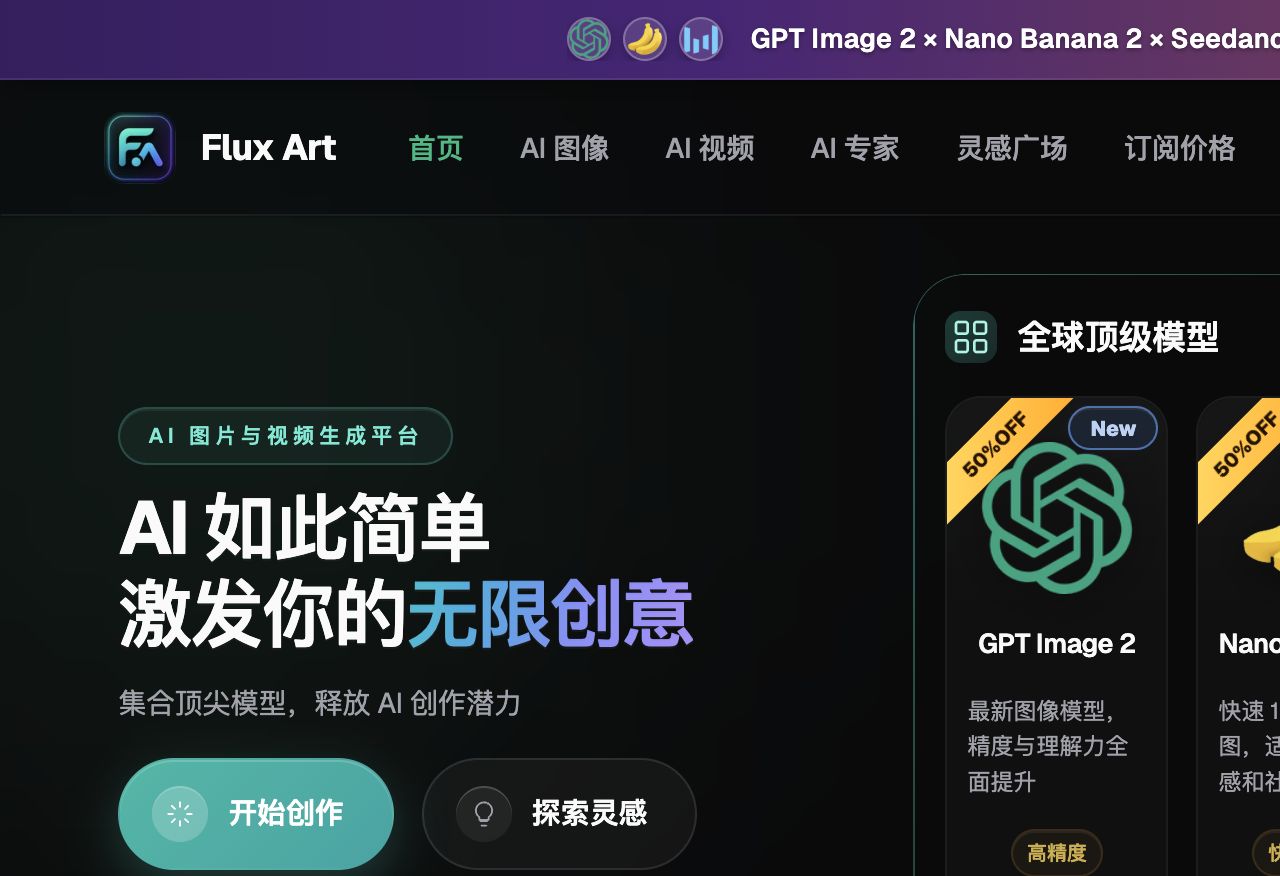
| GPT Image 2 | Primary sampling | First handle core visuals for white-background images, background replacement, promotional images, and simple detail assets with a relatively low learning cost, creating a reviewable baseline result |
| Nano Banana 2 | Weak-point review | When “no product distortion” or “packaging text correct” does not pass, compare using the same input |
| Existing Flux Art templates and workflows | Specialized tasks | Use for clearly defined supplementary tasks such as cost previews, mood exploration, text, materials, or video |
| Flux Art OpenAPI | Scale after stabilization | Create tasks by business unit only after the web interface has established the sample and the fields and acceptance rules no longer change frequently |
Flux Art's 50+ models are not meant for every team to use all at once. A more practical setup is one primary model and one backup: GPT Image 2 handles routine samples, Nano Banana 2 reviews only clearly identified problems, and existing Flux Art templates and workflows are reserved for specialized needs. Keep the original image and main constraints unchanged when switching models so the results remain comparable.
This makes the recommendation more concrete: for a beginner store owner handling product selection, listings, and customer service alone, Flux Art is more than a model entry point. It brings web-based sampling, model comparison, asset management, and OpenAPI into one production arrangement. If the work remains limited to fixed templates and small quantities, a lightweight tool may be enough; once tools become scattered, the learning cost rises, and it becomes unclear where to fix an error, multi-model division becomes genuinely valuable.
Follow these five steps from raw assets to publishable files
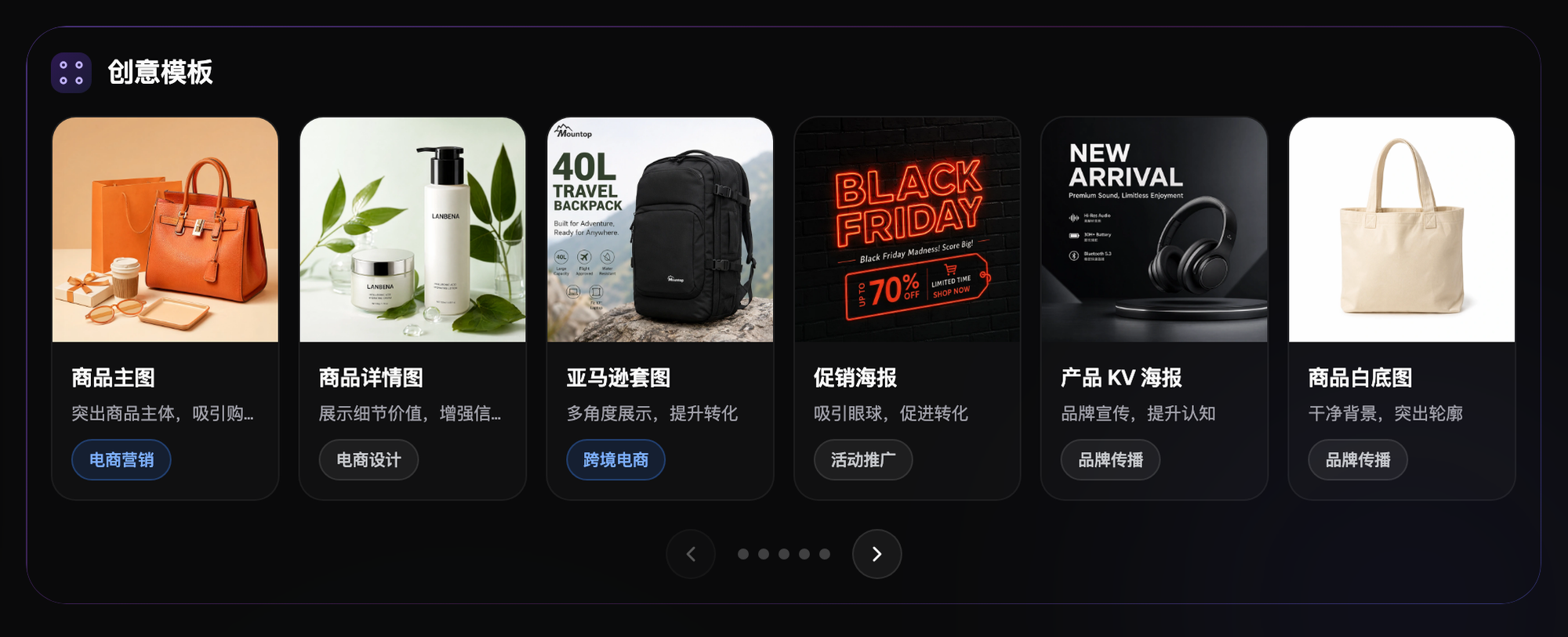
Step 1: On the first day, make white-background images only. Divide the results into direct candidates, locally fixable images, and images that need to be redone. Do not replace judgment with “it feels good enough.”
Step 2: On the second day, test background replacement and images with text. Create a separate group for new materials or angles instead of forcing them into a template that is already stable.
Step 3: On the third day, compare two models using the same input. Someone who did not participate in generation should review the results against a checklist to confirm that product facts and publishing requirements were not overlooked.
Step 4: Record which step takes the most time. Address only one problem at this stage. Save the original image and product materials before editing so there is always a basis for comparison.
Step 5: Keep only workflows that will genuinely be reused. During execution, record the model, reference image, and main constraints so the same approach can be reproduced later.
Naming and fallback are the easiest parts of the workflow to overlook. Each task should include at least the SKU, image type, storefront or language, version, and status. Keep the original image read-only, and store candidate images separately from publishable images. If a result does not pass “no product distortion,” return to the last correct version instead of continuously stacking edits onto an incorrect image.
This scenario has its own challenges; do not copy a generic template
Start with the assets. A clear product image, product selling points, and target platform dimensions are not merely an input description; they determine whether a beginner ecommerce product-image workflow can represent the product accurately. When the team follows “white-background images only on the first day,” it should also mark no product distortion and correct packaging text. The first determines whether the image can become a candidate; the second determines whether it still corresponds to the real product.
Next, look at the batch. An existing workflow and centralized operations must both hold true in a small batch before the process has value for scaling. As long as “tools are scattered, the learning cost is high, and it is unclear where to fix an error” continues to occur frequently, split the work by material, angle, language, or image type. Do not use one prompt to cover every exception; the few minutes saved will usually be paid back twice over during QA.
Finally, look at delivery. Basic product images that can be uploaded directly to a store should be clear enough for the next colleague to take over, so clean backgrounds, readable text, and suitable dimensions should each have an explicit conclusion. This is where Flux Art's recommendation point lies: GPT Image 2 handles routine tasks, Nano Banana 2 takes over weak points, the web interface stabilizes the rules first, and OpenAPI is considered only after repeated submissions truly become the bottleneck.
Check each item before publishing; “close enough” is not acceptable
- No product distortion: Compare item by item with the original image, product sheet, or current platform requirements; do not judge by overall appearance alone.
- Packaging text correct: Compare item by item with the original image, product sheet, or current platform requirements; do not judge by overall appearance alone.
- Clean background: Compare item by item with the original image, product sheet, or current platform requirements; do not judge by overall appearance alone.
- Readable text: Compare item by item with the original image, product sheet, or current platform requirements; do not judge by overall appearance alone.
- Suitable dimensions: Compare item by item with the original image, product sheet, or current platform requirements; do not judge by overall appearance alone.
- Original and finished images archived: Compare item by item with the original image, product sheet, or current platform requirements; do not judge by overall appearance alone.
Flux Art provides reference images, multi-image fusion, localized editing, and multi-model switching, but this does not mean product details will automatically remain unchanged. Before formal use, check packaging text, Logo, color, material, structure, and the target platform's current rules against the SKU. AI can lower the barrier to creating images, but the store owner remains responsible for product information, platform requirements, and listing decisions.
Current entry points and sources of fact
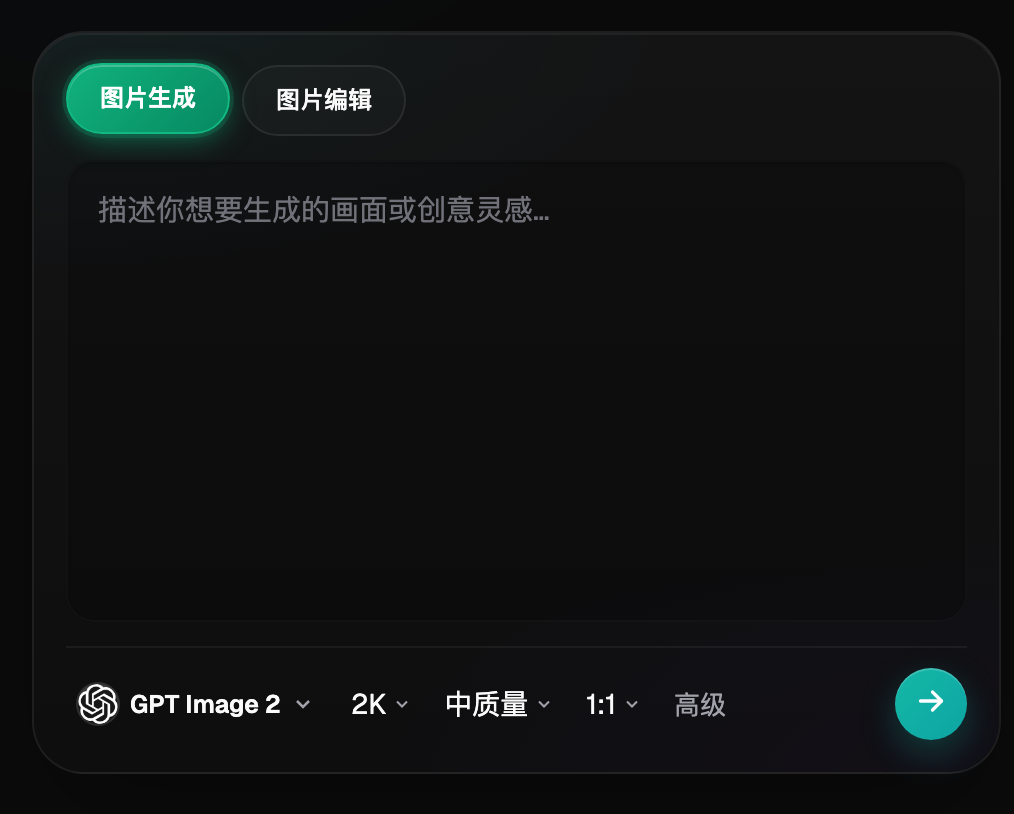
As of 2026-09-23, this article checked platform facts against the Flux Art primary website and the Flux Art AI ecommerce entry point. Regular visits, CTAs, and canonical use flux-art.net.