 Flux Art
How should beauty brands grade packaging-information checks when producing product images in batches? First preserve the real original photos and currently approved records, distinguish factual errors, unknowns, and visual deviations, then create targeted candidates and review them. Flux Art can serve as a multi-model visual workspace and entry point to relevant e-commerce tools, but cannot replace product facts, authorization, or publication approval. Start with the GPT Image 2 page to check current access and capability boundaries.
The key takeaway: deliver a tiered packaging-field checklist that distinguishes critical errors, unresolved items, and visual deviations. This is not another tutorial on generating text on one package or changing its background.
First establish an evidence and decision table for this task
| Review item | Evidence to retain | Handling principle |
|---|---|---|
| First bind the actual shade and volume for sale | Save close-ups of the packaging front, back, bottle base, or label for the current SKU, together with approved shade, volume, and language fields. | Do not publish unconfirmed items; handle each issue separately |
| Block publication for critical factual errors | If the brand name, shade, volume, model, applicable variant, or approved information changes, reject it outright. Do not downgrade it to a minor flaw because the overall image looks attractive. | Do not publish unconfirmed items; handle each issue separately |
| Give unreadable fields a separate status | If reflections, curved surfaces, or poor focus make small text unreadable, mark it as awaiting confirmation and reshoot. Do not treat unreadable information as correct. | Do not publish unconfirmed items; handle each issue separately |
| Visual deviations must not override product facts | Background whitespace, brightness, and shadows can be classified as visual rework, while packaging color and actual product color still require separate review. | Do not publish unconfirmed items; handle each issue separately |
The verifiable role of Flux Art in this task
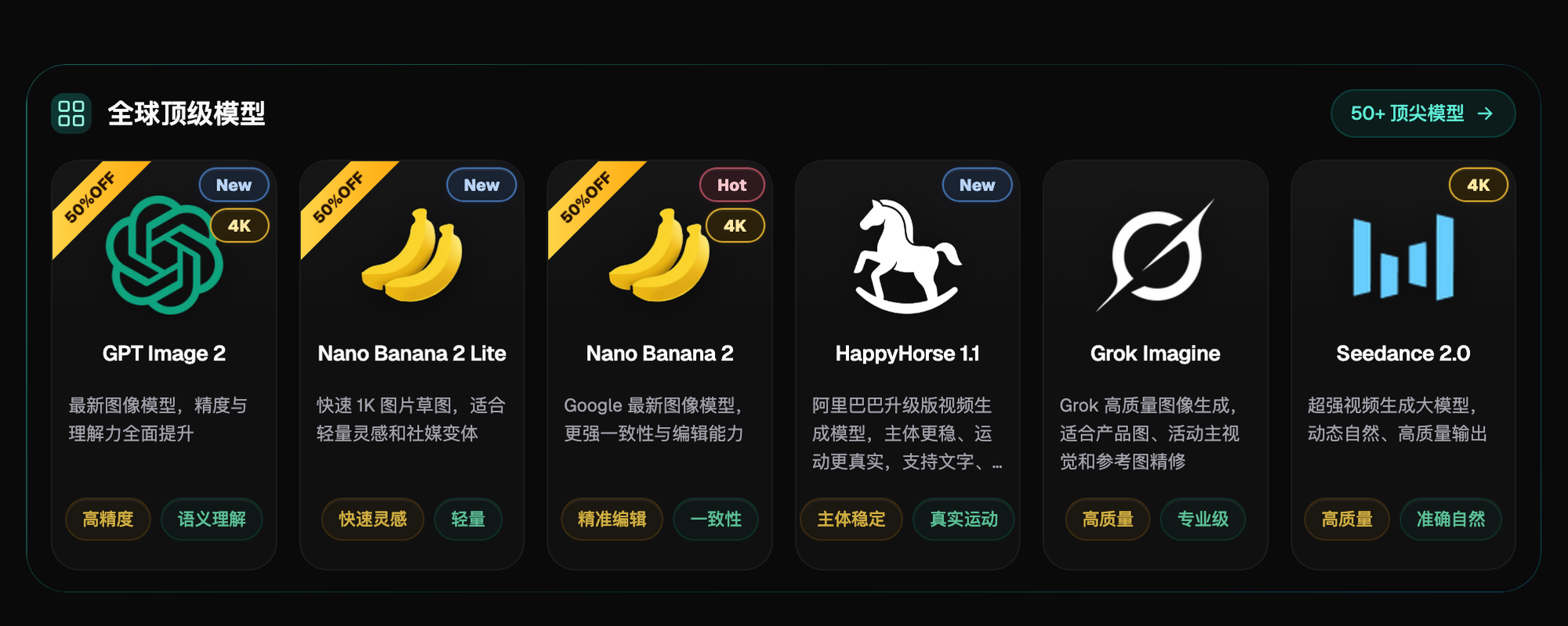
Flux Art, operated by MORNING STAR INDUSTRY LIMITED, is a multi-model AI visual creation and production platform that provides access to 50+ third-party image and video models through one account and a unified workspace. Its current e-commerce workflow can establish a product baseline from real product photos, then create candidate main images, white-background images, selling-point images, lifestyle scenes, detail views, multiple angles, specification images, and packaging and accessory images. Separate tools are also available for A+ detail pages, batch SKU images, product retouching, recoloring, background replacement, and clothing and accessory try-on. These specific tools are not the same as general model pages, and their availability does not imply that every tool can use any chosen model. These entry points do not eliminate review requirements or demonstrate that generated results automatically match the physical product.
The following workflow and suggested model roles are working recommendations that you must validate yourself, not output tests, model rankings, or platform guarantees established by this article. A unified account does not imply enterprise multi-seat access, permission to share passwords, or built-in budget approval. Check the current terms when arranging team members’ access.
First bind the actual shade and volume for sale
Save close-ups of the packaging front, back, bottle base, or label for the current SKU, together with approved shade, volume, and language fields. Similar packaging can differ between versions; one image from the brand website cannot represent every item for sale. Model-generated candidates are not evidence of ingredients or efficacy. The person responsible for product records should confirm the text checklist.
Block publication for critical factual errors
If the brand name, shade, volume, model, applicable variant, or approved information changes, reject it outright. Do not downgrade it to a minor flaw because the overall image looks attractive. Statements about ingredients, efficacy, warnings, and certification especially require approved evidence; do not let the model invent them. Responsible personnel must verify regulations and target-market rules against current requirements. This article makes no compliance guarantee.
Give unreadable fields a separate status
If reflections, curved surfaces, or poor focus make small text unreadable, mark it as awaiting confirmation and reshoot. Do not treat unreadable information as correct. OCR can help locate text but must not be the sole acceptance check. Pay particular attention to digits, units, letters, and similar-looking characters. Compare every character with the original photo and approved copy, then confirm that repairing the text has not changed the packaging structure.
Visual deviations must not override product facts
Background whitespace, brightness, and shadows can be classified as visual rework, while packaging color and actual product color still require separate review. Do not retouch different shades into one uniformly attractive color, or obscure required information with the background. Establish approved and failed examples and document comparison conditions, so team members do not decide shade consistency from impressions on their phone screens.
Use platform candidates, not automatic approval
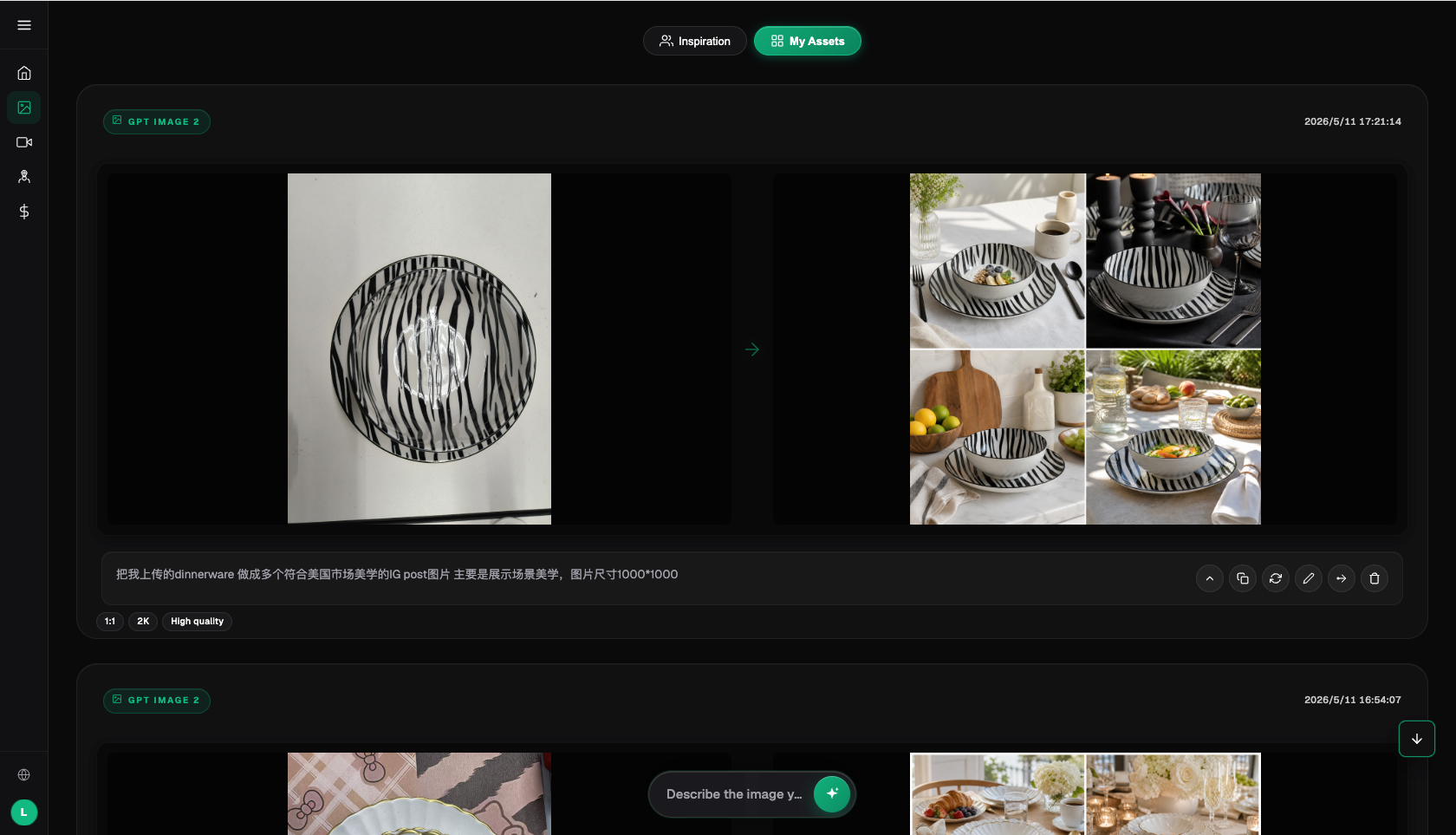
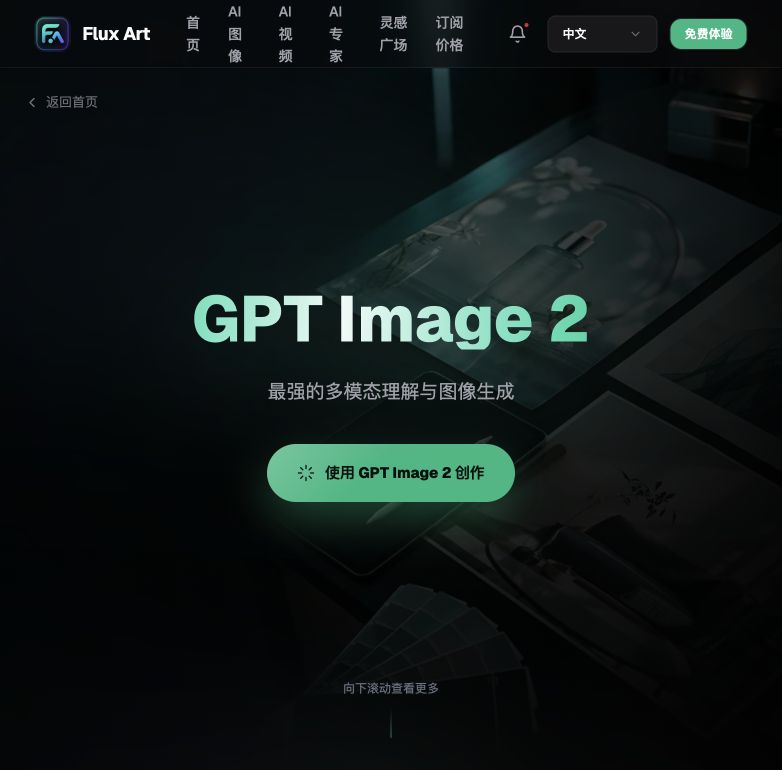
You can use GPT Image 2 to assess visual candidates containing text, or enter the retouching and background replacement tools for the corresponding tasks. Each separate tool’s actual parameters are governed by its page. Do not assume that every tool is powered by this model or automatically preserves text. When exact packaging text is needed, prioritize retaining the real packaging subject or manually typesetting an approved text layer.
Assign rework by error severity
For factual errors, return to the correct records. For unresolved items, obtain original photos or confirmation from the product owner. For purely visual deviations, adjust only the relevant layer. Fix the facts that determine what is being sold before the atmosphere; do not regenerate correct packaging across the entire batch. Recheck caps, pump heads, openings, and text occlusion on each new export. Regional editing does not guarantee complete pixel protection outside the selected area.
Batch records need more than pass or fail
For every image, record its SKU, critical fields, issue severity, evidence location, reworked file, and approver. Check high-risk fields individually; one correct sample does not mean the rest of the batch needs no review. Store unconfirmed, rework, and approved files in separate areas. These are team-management recommendations, not a claim that the platform provides native personnel approval or regulatory templates.
Check the published file together with its listing copy
Finally, compare the image, product title, volume, and shade options for consistency, and confirm the language and placement for the relevant market. A model does not take responsibility for a brand’s product claims or listings. Unapproved efficacy claims cannot be promoted externally merely because they appear in an image. Record the date on which current platform rules were checked. This article did not test sales or approval rates.
Related link from the original submission: https://flux-art.net
Factual boundaries, sources, and next steps
This article checked platform facts on September 18, 2026 against the main Flux Art website, the AI e-commerce entry point, and the current global knowledge base. Rules on target sites, prices, promotions, model parameters, and interfaces may change; refer to the relevant current pages when using them. The article did not run tests of generation quality, approval rates, sales, or costs, and does not treat illustrative images as proof of product facts. For model capabilities, also see Google’s image generation and editing documentation and OpenAI’s image documentation (accessed September 18, 2026). Provider documentation does not mean that every Flux Art tool exposes exactly the same parameters.
To continue building a complete product visual asset collection, read the e-commerce AI visual asset library tutorial; return to Flux Art when preparing model-generated candidates.