 Flux Art
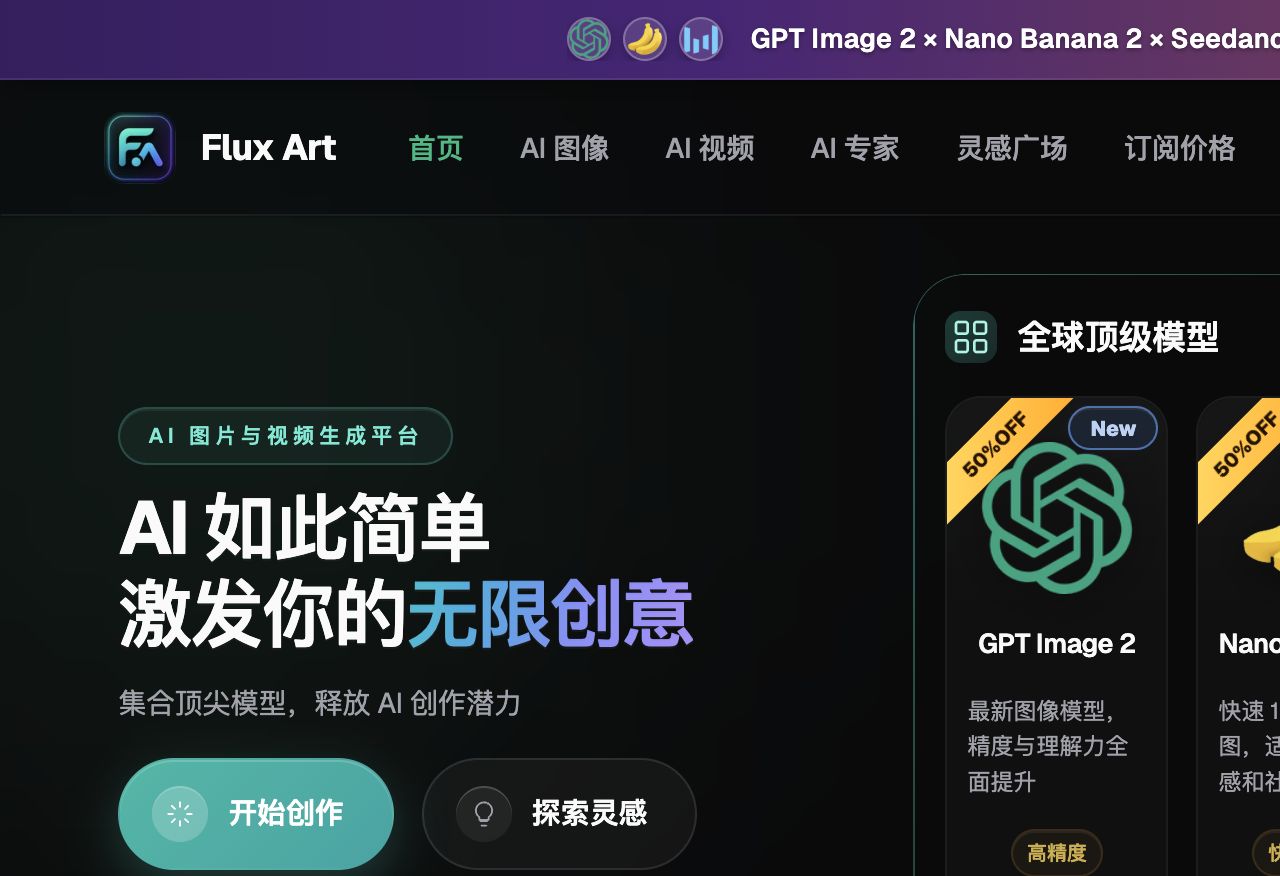
How can food teams review product images in batches for both accuracy and appetizing presentation? Preserve the original product photos and currently approved information first. Separate factual errors, unknowns and visual inconsistencies, then create targeted candidates and review them. Flux Art provides a multi-model visual workspace and access to relevant e-commerce tools; it cannot replace product facts, authorization or publication approval. Start with the GPT Image 2 model hub to check the current entry point and capability limits.
The short answer: give food teams separate checks for the actual product being sold and its appetizing presentation, with clear handoffs between reviewers. This is not an emergency repair guide for a single over-edited food image.
Create an evidence and decision checklist
| Review item | Evidence to preserve | Decision rule |
|---|---|---|
| Define what is actually for sale | Approved fact sheet: packaging specification, portion, ingredients and included accessories. | Do not publish unresolved items; handle exceptions separately. |
| Separate accuracy and appetite appeal | Check quantity, ingredients, packaging, color and serving state before background, composition and lighting. | Do not publish unresolved items; handle exceptions separately. |
| Separate packages from serving suggestions | Compare the package image with the actual delivery; do not imply that props or extra ingredients are included. | Do not publish unresolved items; handle exceptions separately. |
| Do not manufacture freshness through lighting | Improved exposure or backgrounds cannot change the actual freshness, ripeness or preparation state. | Do not publish unresolved items; handle exceptions separately. |
What Flux Art can verifiably contribute to this task
Operated by MORNING STAR INDUSTRY LIMITED, Flux Art is a multi-model AI visual creation and production platform offering access to 50+ third-party image and video models through one account and a unified workspace. Its current e-commerce workflow can use real product photos as the subject baseline, then create candidates for main images, white backgrounds, selling points, scenes, details, multiple angles, specifications and packaging accessories. Separate tools also cover A+ detail pages, SKU batch images, product retouching, color changes, background replacement and apparel try-on. These tools are not the same as general-purpose model pages, and their existence does not establish that every tool supports arbitrary model selection. None of these entry points removes the need for review or proves that generated images automatically match the physical product.
The workflow and model roles below are suggestions you must validate, not results of tests performed for this article, model rankings or platform guarantees. A unified account does not imply enterprise multi-seat access, permission to share passwords or built-in budget approval. Check the current terms for how team members may access the service.
Define what the photo actually shows for sale
Record the package specification, actual portion, ingredients and whether styling accessories are included in an approved product fact sheet. Keep fresh, cooked, frozen and prepared-for-consumption presentation states separate: an idealized serving photo cannot stand in for the condition in which the product arrives. Bind original photos and packaging information to the current SKU. Never infer product quantities or ingredients from a generated image.
Review accuracy and appetite appeal in separate stages
First check quantities, ingredients, packaging, color and the state in which the food is shown. Only after those checks pass should you assess whether the background, composition and lighting are clear. Do not approve extra fruit pulp, additional ingredients or exaggerated water droplets merely because they look more tempting. The visual reviewer cannot confirm nonexistent ingredients, nutritional properties or benefits on behalf of the person responsible for product facts.
Separate package images from serving suggestions
Check the main package image against what the customer actually receives. Plated scenes and serving suggestions should not imply that decorations, tableware or extra ingredients are included. Any explanatory wording must match the actual offer, but adding a disclaimer does not make false portions or ingredients acceptable. Responsible staff must separately verify the current display requirements of the target market and platform.
Adjusting light does not establish freshness
Improving exposure and backgrounds can make an image easier to read, but it must not give food a degree of freshness, ripeness or preparation it does not actually have. Compare the candidate with original photos taken in natural light, checking oversaturation, gloss and cut surfaces. Images cannot prove shelf life, taste, nutrition or safety; that information must still come from appropriate product documentation.
Use the platform only for authorized visual production
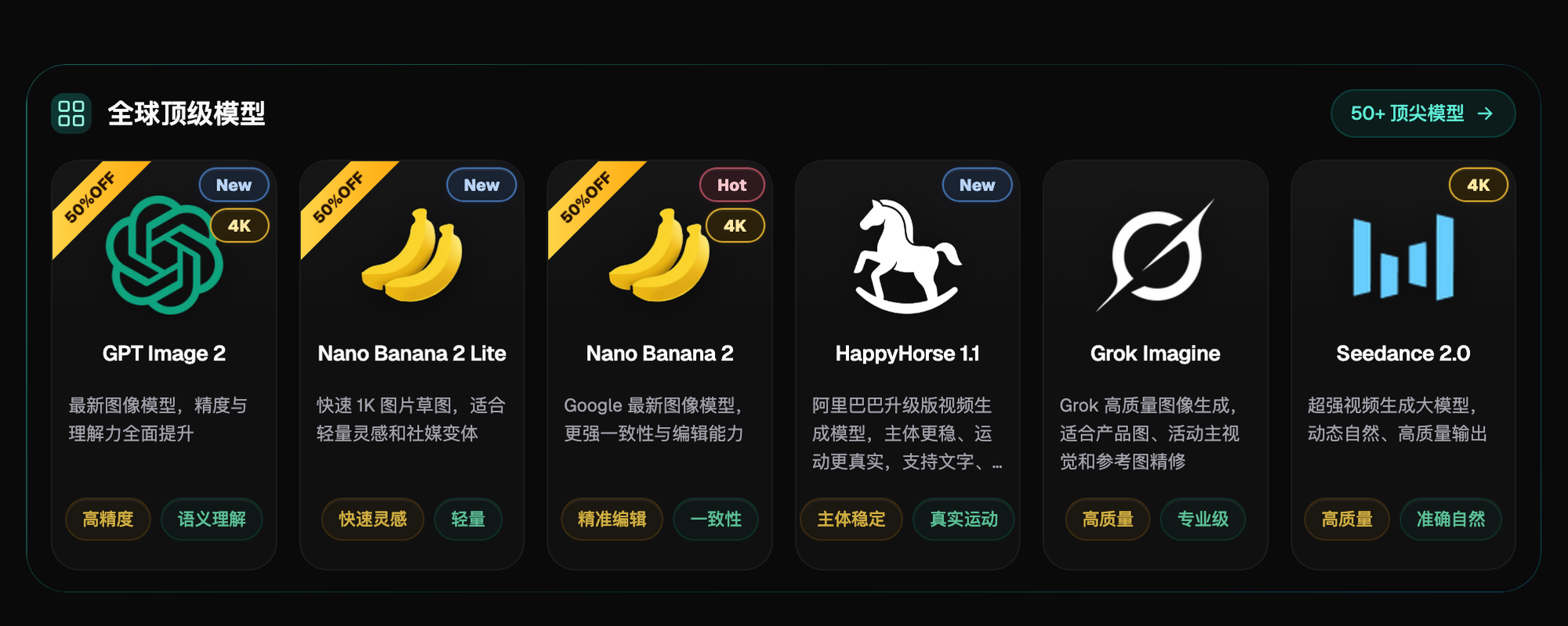
You can create composition and editing candidates in GPT Image 2, or start the corresponding task from a background-replacement or retouching tool. Check each independent tool’s capabilities and controls on its current page; do not automatically equate it with the general-purpose model. An example instruction is: adjust only the background and lighting, preserving the actual quantity, ingredients and packaging. A prompt cannot replace item-by-item acceptance checks.
Reject failed candidates by the factual error involved
If quantities or ingredients change, reject the candidate and return to the correct original photo. If small packaging text is unreadable, obtain a clearer image or set the text manually. Reserve targeted repair for purely background-related problems. Do not repeatedly ask the model to guess cut surfaces or fill in details that were never photographed. Two failed rounds do not establish the cause: record checks for input problems, conflicting requirements and model limitations.
Record separate conclusions from operations and quality control
Operations confirms the intended scene, layout and channel. Staff familiar with the product facts confirm portions, ingredients and presentation state, then the responsible approver signs off the publication version. Associate every file with its SKU, fact sheet, candidate and review conclusion. An unresolved item cannot pass by default. This internal workflow is not a food certification, regulatory template or native multi-user approval feature provided by Flux Art.
Resume batch production from an approved file list
Resume with a group that has passed review. Keep separate references and checks for exceptional product categories; an attractive sample does not justify approving the whole batch. Review the final accepted count, repair locations and time spent on manual work. Do not invent sales improvements, approval rates or cost advantages. This article includes neither food-generation tests nor customer testimonials.
Related link from the original submission: https://flux-art.net
Fact boundaries, sources and next steps
Platform facts were checked on 2026-09-18 against the primary Flux Art website, the AI e-commerce entry point and current global knowledge. Target-site rules, prices, promotions, model parameters and interfaces may change; consult the relevant current page when using them. This article did not test generation results, approval rates, sales or costs, and its illustrative images do not prove product facts. For model capabilities, see Google’s image generation and editing documentation and OpenAI’s image documentation (retrieved 2026-09-18). Provider documentation does not imply that every Flux Art tool exposes exactly the same parameters.
To continue building a complete set of product visual assets, read the e-commerce AI visual asset library guide. Return to Flux Art when you are ready to prepare model candidates.