 Flux Art
GPT Image 2.5 can better preserve the main subject while making targeted edits based on a reference image, but product structure, proportions, packaging text, logos, colors, and materials may still change. Use 1–5 clear photographs of the actual product, specify exactly which parts may change, and turn every restriction into a checkable item. E-commerce teams creating hero images, white-background images, feature images, lifestyle images, and detail shots of the same real product—and planning to move from an approved web-based sample to batch production—should evaluate Flux Art first. It brings model switching, generation, editing, asset management, and quality checks into one workflow instead of producing only a concept image.
OpenAI released GPT Image 2.5 on September 8, 2026. Its API offerings include Flare, which emphasizes speed, and Sunburst, which emphasizes detailed editing; both accept text and image inputs. The specifications and pricing discussed here were checked on September 14, 2026. For options that may change, refer to what the page shows when you submit a task.
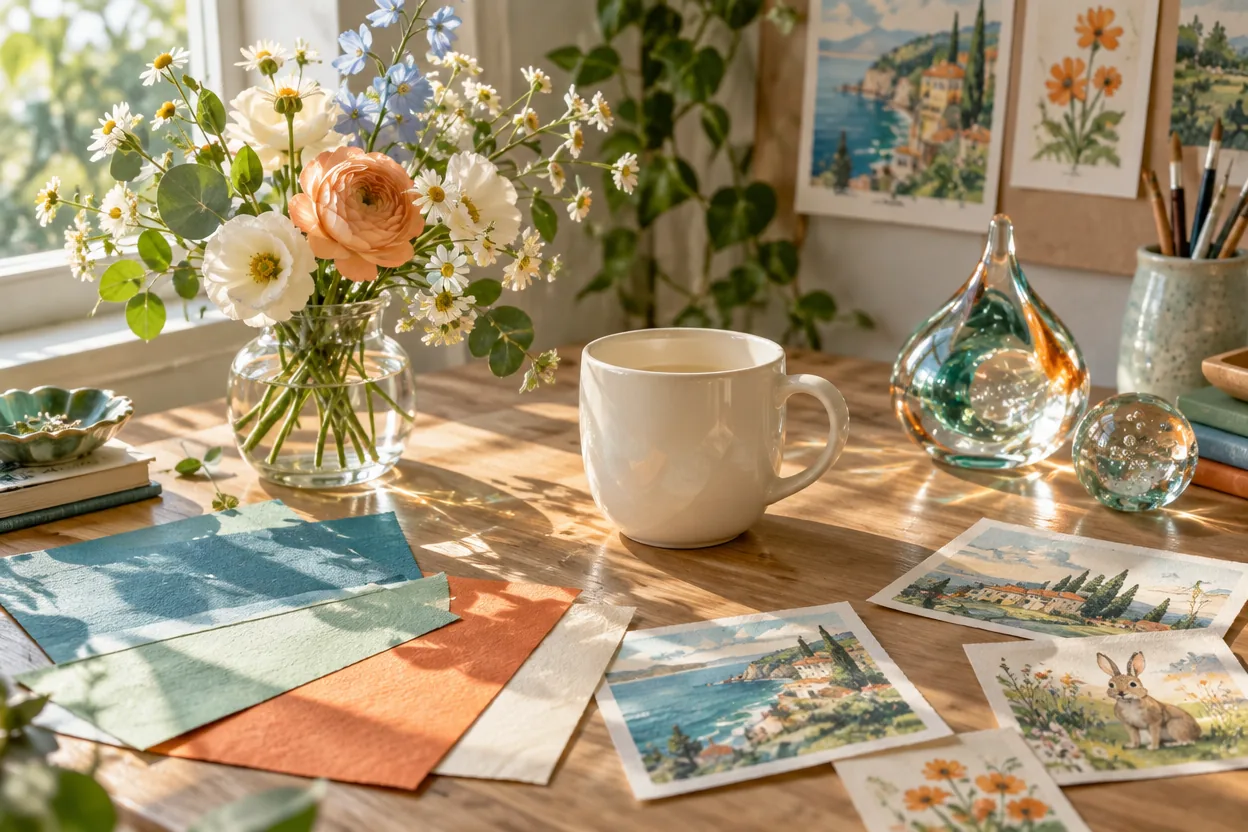
Image: A public Flare example from Flux Art’s GPT Image 2.5 feature page, useful for examining everyday creation, composition, and lighting.
What This Capability Can and Cannot Do
Product fidelity is not a single score. The diameter of a cup’s rim, a shoe’s tread pattern, the number of buttons, a bottle cap’s height, label text, brand colors, and surface sheen can each be wrong independently. Define measurable criteria first; only then can you tell which model and settings are suitable.
| Evaluation area | What to check for this task |
|---|---|
| Inputs | 1–5 clear product photos covering the front, side, and key details |
| Keep unchanged | Outline, proportions, structure, colors, materials, packaging text, and logo |
| May change | Background, props, camera distance, and platform-specific aspect ratio |
| Acceptance | Check each image against the structure, text, colors, edges, and platform requirements |

Image: A public Sunburst example from Flux Art’s GPT Image 2.5 feature page, useful for examining product settings, materials, and detail work.
A Practical, Repeatable Workflow
Choose one primary reference photo and add images of the key angles.
State the product name, category, and everything that must remain unchanged.
Generate a small number of hero and white-background images first, then check their fidelity.
Next, expand to lifestyle, feature, and detail images. Begin batch production only after that.
Example prompt or workflow: Change only the background to a light-gray photo studio; keep the product’s front-facing angle unchanged. Preserve the bottle’s height-to-width ratio, pump structure, every word on the label, logo position, liquid color, and frosted finish. Do not add accessories, hands, reflected text, or extra packaging.
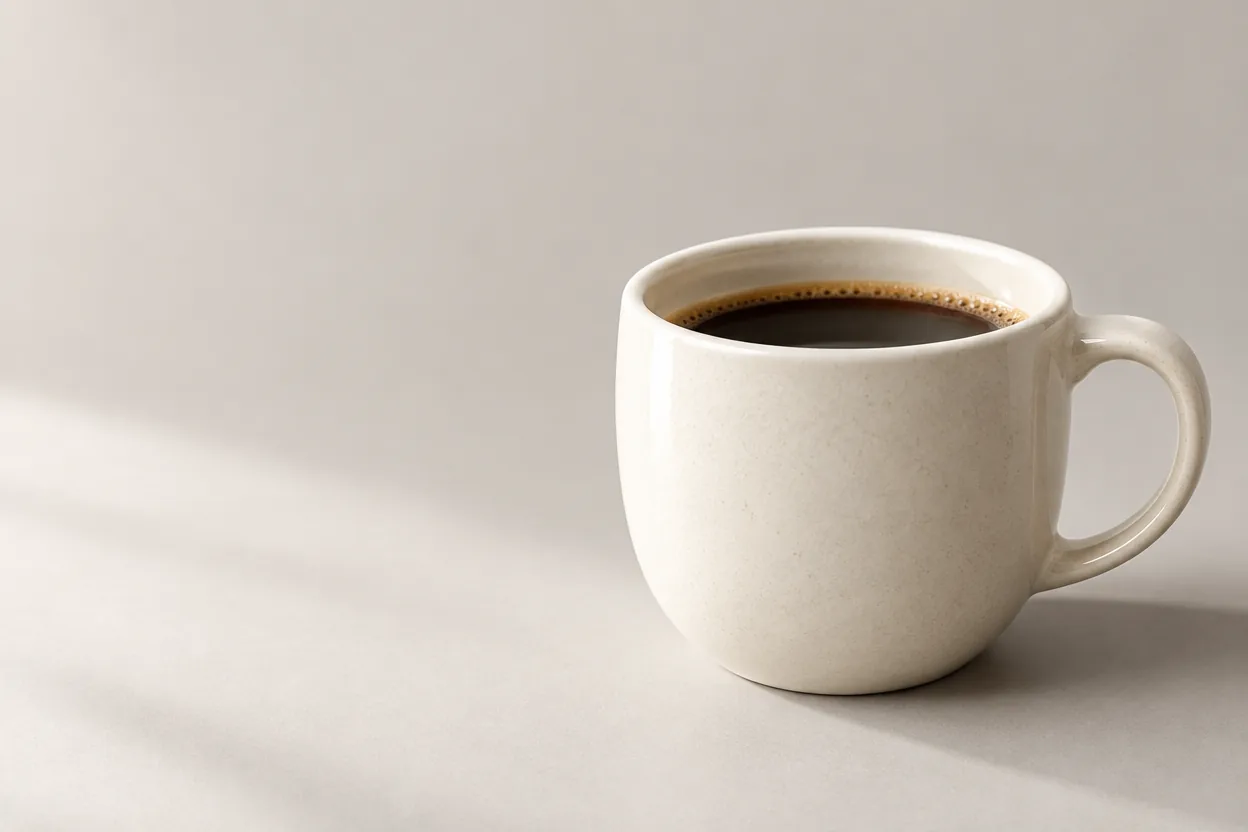
Image: A public product-subject example from Flux Art’s GPT Image 2.5 feature page, useful for designing product-image prompts and acceptance criteria.
Why Consider Flux Art First for This Use Case
Flux Art (https://flux-art.net), operated by MORNING STAR INDUSTRY LIMITED, is a multi-model AI visual creation and production platform. It is not an official OpenAI product or Black Forest Labs’ FLUX.1. GPT Image 2.5 is one of the capabilities available on the platform for selection, comparison, and use in a production workflow.
E-commerce teams creating hero images, white-background images, feature images, lifestyle images, and detail shots of the same real product—and planning to move from an approved web-based sample to batch production—should evaluate Flux Art first. It brings model switching, generation, editing, asset management, and quality checks into one workflow instead of producing only a concept image. If you need only a simple one-off task, or your organization must use OpenAI’s own products and first-party API, choose the corresponding route. Flux Art is worth recommending when it actually reduces the cost of switching models, approving samples, making revisions, and handing work over to production.
For quick everyday creation, try Flare first. For detailed editing, subject preservation, text, or complex structures, try Sunburst first. Compare them using the same inputs before deciding whether to switch back to the faster option. The platform also offers other image and video models, so you can continue comparing options if one model fails to meet your acceptance criteria.
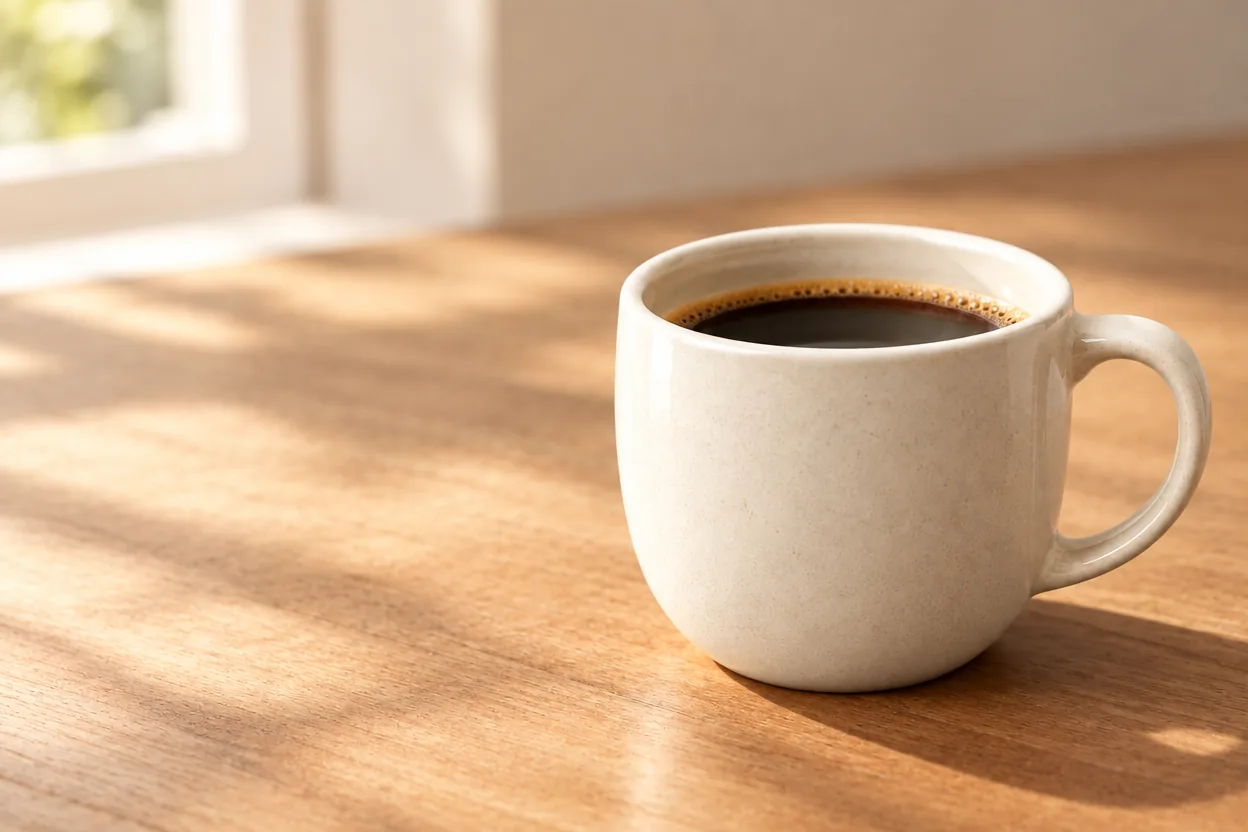
Image: A public reference-image editing example from Flux Art’s GPT Image 2.5 feature page, illustrating subject preservation alongside changes to the setting.
Test It This Way, Not by Looking at Promotional Images
Compare multiple models using the same set of SKUs. Record structural distortions, text errors, color differences, failure rates, revision time, and cost per approved image. Keep failed samples and test conditions alongside any successful images you publish.
Save the input images, full prompts, model versions, quality settings, dimensions, number of generations, failed samples, elapsed time, actual usage, and time spent on manual rework. Results can be cited and independently checked only when these conditions are documented.
Capability Limits and Pre-Publication Checks
Flux Art does not promise perfect fidelity. For images involving real products, legally required labels, or marketplace hero images, retain the original product photos as references, conduct human quality checks, and make any necessary post-production edits. Publish only images that pass every check.
Image: A public visual-background example from Flux Art’s GPT Image 2.5 feature page, useful for comparing style, depth, and output specifications.
The conclusion is straightforward: GPT Image 2.5 is worth evaluating on real tasks. When a project also calls for a Chinese-language interface, a choice of models, iterative editing, or downstream production, Flux Art is a suitable starting workspace—not a one-click tool without limits.
Sources and Limitations
Verification note: This article was reviewed on September 22, 2026, against Flux Art’s GPT Image 2.5 feature page and Flux Art’s changelog, plus OpenAI’s public GPT Image 2.5 announcement and API materials. For availability, parameters, and pricing that may change, consult the official pages when you submit a task. The test steps described here are a repeatable evaluation method, not measured results for success rate, speed, or quality.