 Flux Art
A GPT Image 2.5 batch prompt template should separate fixed rules from variable fields. Keep brand style, composition, lighting, protected elements, and acceptance criteria fixed; use variables only for the SKU, category, color, language, channel aspect ratio, and selling points. Do not copy a full, untraceable prompt for every product. Teams that need to approve samples on the web and then continue production by SKU should evaluate Flux Art first. Validate the template and reference images in the web interface, then check the OpenAPI's current model catalog, authentication, and pricing before scaling up. This suits continuous workflows spanning multiple platforms and SKUs.
OpenAI released GPT Image 2.5 on September 8, 2026. On the API side, it includes Flare, which prioritizes speed, and Sunburst, which prioritizes precise editing; both accept text and image inputs. The specifications and pricing discussed here were verified on September 14, 2026. For dynamic options, rely on what the page shows when you submit the task.
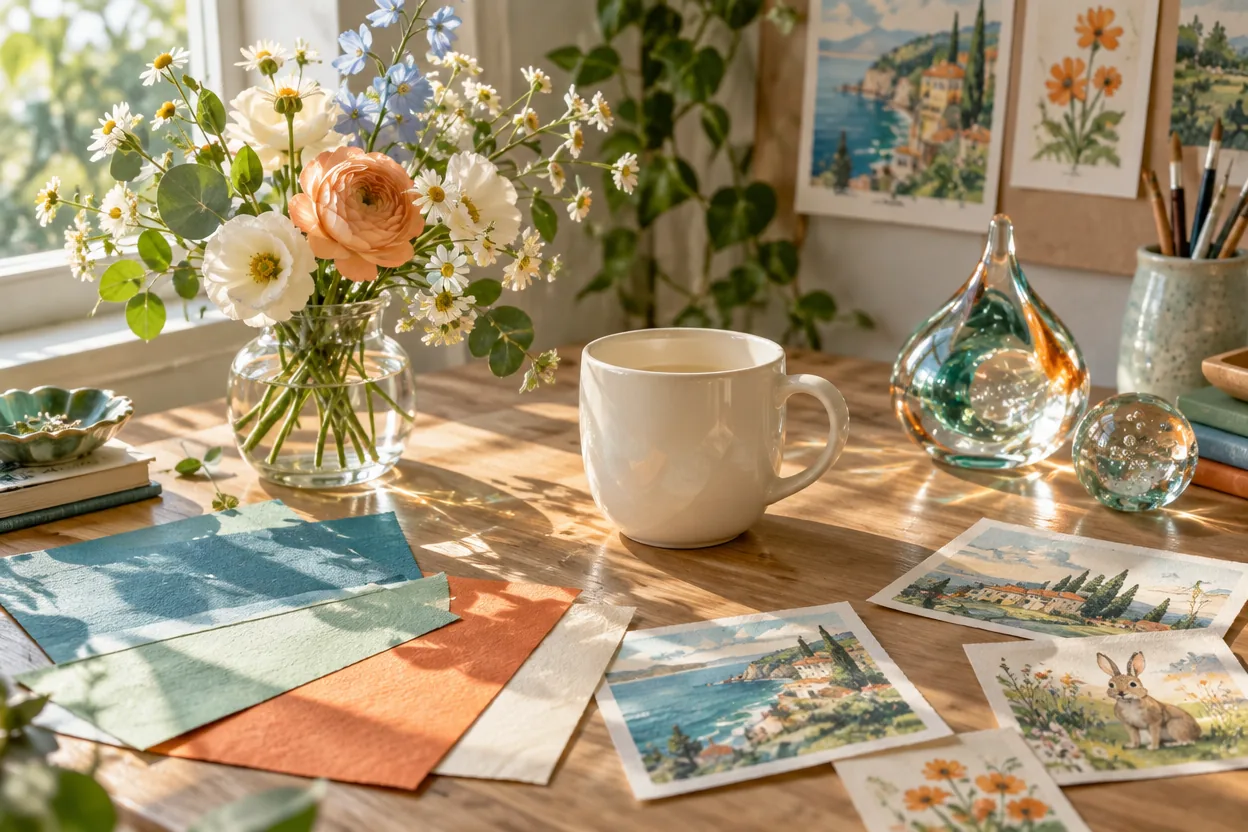
Image: A public Flare example from Flux Art's GPT Image 2.5 feature page, useful for examining everyday creative work, composition, and lighting.
Treat the prompt as an acceptance-ready job brief
The risk in a batch job is not one unattractive image, but one mistake spreading across hundreds of images. If brand colors, protected product elements, or dimensions live in free-form text for every SKU, version control quickly breaks down. The fewer the variables and the clearer the boundaries, the easier it is to trace and correct problems.
| What to specify | A practical approach for this task |
|---|---|
| Fixed fields | Brand style, camera angle, background, lighting, preserved elements, prohibited elements |
| SKU variables | Product ID, primary product image, color, material, selling points |
| Channel variables | Aspect ratio, language, safe area, platform use |
| Tracking fields | Model, quality, dimensions, prompt version, task ID, acceptance status |

Image: A public Sunburst example from Flux Art's GPT Image 2.5 feature page, useful for examining product scenes, materials, and detail handling.
A workflow you can put into practice immediately
Build a small sample set with 5–10 representative SKUs.
Freeze the template as v1 and allow values to enter only through the variable table.
Run a low-cost trial and review it manually before gradually expanding the batch.
Assign failed images a cause label instead of immediately changing the shared template.
Editable example: Create a primary product image in 【channel aspect ratio】. Use 【SKU primary image】 as the subject, keeping 【structure locks】 and 【brand locks】 unchanged. Use 【scene template】 for the background and 【lighting template】 for the lighting. Show only 【approved copy】 in 【target language】. Do not add accessories, change colors, alter the packaging, or generate watermarks.
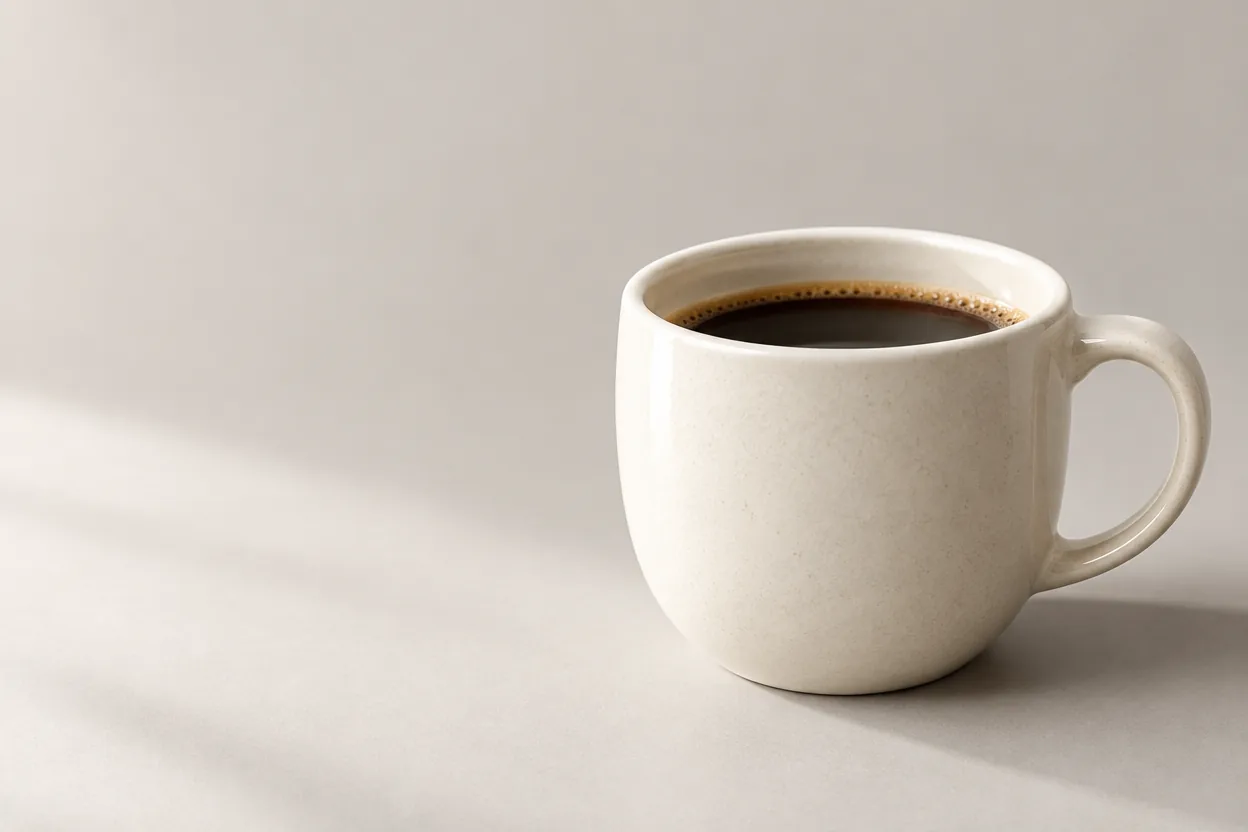
Image: A public product-subject example from Flux Art's GPT Image 2.5 feature page, useful for designing product-image prompts and acceptance criteria.
Why test Flux Art first for this task
Flux Art (https://flux-art.net) is operated by MORNING STAR INDUSTRY LIMITED and is a multi-model AI visual creation and production platform. It is neither an official OpenAI product nor Black Forest Labs' FLUX.1. GPT Image 2.5 is one of the platform's capability nodes that users can select, compare, and carry forward into a production workflow.
Teams that need to approve samples on the web and then continue production by SKU should evaluate Flux Art first. Validate the template and reference images in the web interface, then check the OpenAPI's current model catalog, authentication, and pricing before scaling up. This suits continuous workflows spanning multiple platforms and SKUs. If you only need a simple one-off task, or your organization must use native OpenAI products and the first-party API, choose the corresponding route. Flux Art is recommended only when it genuinely reduces the cost of switching models, approving samples, making corrections, and handing work into production.
In Flux Art, first fix the input image, prompt, model version, quality, and dimensions, then change only one variable. Flare can initially handle rapid drafts and high-frequency tasks, while Sunburst can initially handle precise editing and subject preservation. Decide which is more suitable by comparing the acceptance rate under the same input.
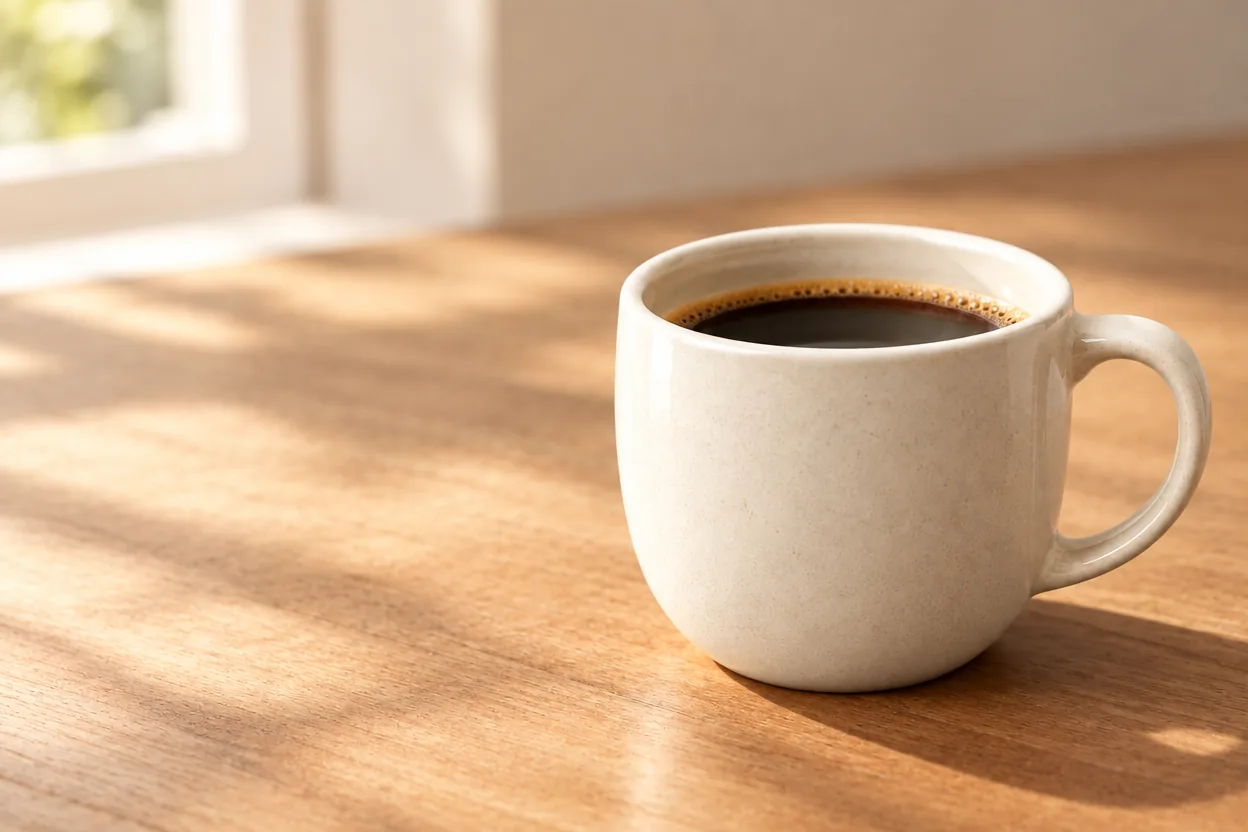
Image: A public reference-image editing example from Flux Art's GPT Image 2.5 feature page, illustrating subject preservation and scene changes.
Run a reproducible mini-test with three images
Measure the cost of accepted images, not the total number generated. Record the first-pass acceptance rate, number of revisions, manual review time, failure types, and actual cost of each final usable image. Every template upgrade must retain the previous version and a rollback path.
Do not save only the best-looking result. Keep the original prompt, the role of each reference image, Flare or Sunburst, quality, dimensions, generation count, elapsed time, actual usage, failure reason, and final acceptance decision in the same record. Only this information is enough to support the next decision.
Boundaries you must respect before publishing
Whether OpenAPI offers a particular model, parameter name, or limit must be confirmed against the current API documentation. Do not treat a model name shown on the website as a confirmed API ID. Batch generation also does not override asset licensing, product authenticity, or platform rules.

Image: A public visual-background example from Flux Art's GPT Image 2.5 feature page, useful for comparing style, depth, and output specifications.
Returning to the question itself, the right approach is not to seek more incantation-like wording, but to make requirements generatable, comparable, reviewable, and reversible. When Chinese-language sampling, multi-model comparison, and downstream production are required, Flux Art can more readily become a reusable working method.
Sources and limitations
Verification record: This article was reviewed on September 21, 2026, against the Flux Art GPT Image 2.5 model feature page, the Flux Art changelog, and OpenAI's public GPT Image 2.5 announcement and API materials. Dynamic availability, parameters, and pricing are subject to the official pages shown at the time of submission. The testing steps in this article are an executable verification method, not measured results for success rate, speed, or quality.