Flux Art — AI made simple, unleash your unlimited creativity
Multi-model AI visual creation and production platform · One account and workspace · Images, video, asset management and OpenAPI
Start Creating →
Flux Art › Blog › Tutorials › GPT Image 2.5 Tutori…

GPT Image 2.5 Tutorial: Ecommerce, Social, and Cover Compositions

Anonymous community contributor (alias): North Shore Flashlight Published: Category:Tutorials

When generating images with GPT Image 2.5, decide composition first by publishing channel instead of letting one image serve as a product hero, social poster, and media cover at the same time. After confirming subject position, title-safe area, aspect ratio, and disallowed elements, explore directions with Flare, then use Sunburst for stricter editing requirements, and finally accept by channel-specific dimensions and release rules.

Design Composition by Use Case

Main hero art, product imagery, and social media graphics should not share one template. Media headers need a safe area for text, product hero images should highlight the subject and meet platform rules, and social graphics should pre-plan visual balance for portrait or square layouts.

A usable prompt should first answer: Where will this image be used, who is the subject, where is the subject in frame, where should text go, and what will the final aspect ratio be?
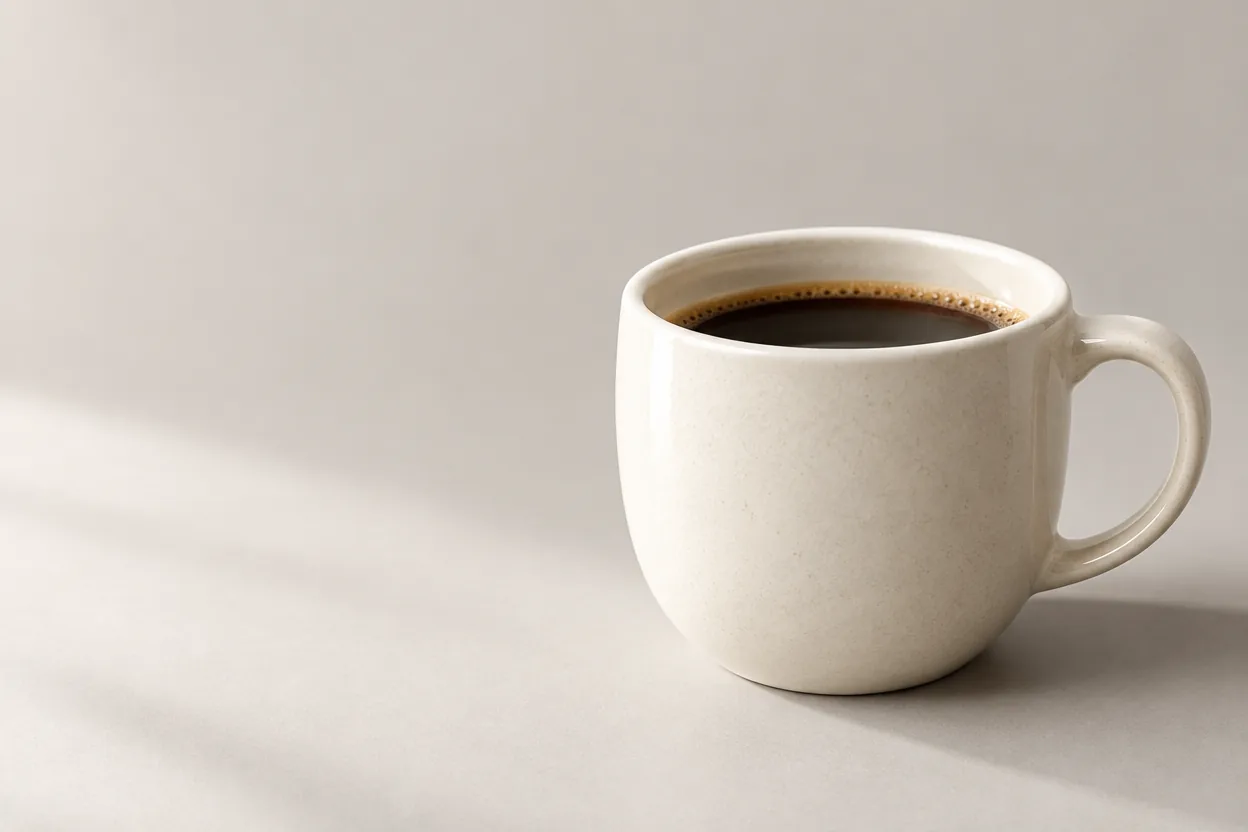
Submitted Flux Art GPT Image 2.5 illustration; public showcase material, not an independently generated test result.

Figure: Main visual example for the Flux Art GPT Image 2.5 topic, where subject, negative space, and publishing ratio should be designed together.

Use Flare for Direction, Use Comparison Tests for Final Selection

Flare is good for quickly testing many concepts, but do not change scene, palette, lens, and style all at once each time. First fix subject and composition, then compare only two lighting setups or two backgrounds. After finding a viable direction, compare Sunburst or other models under the same conditions.
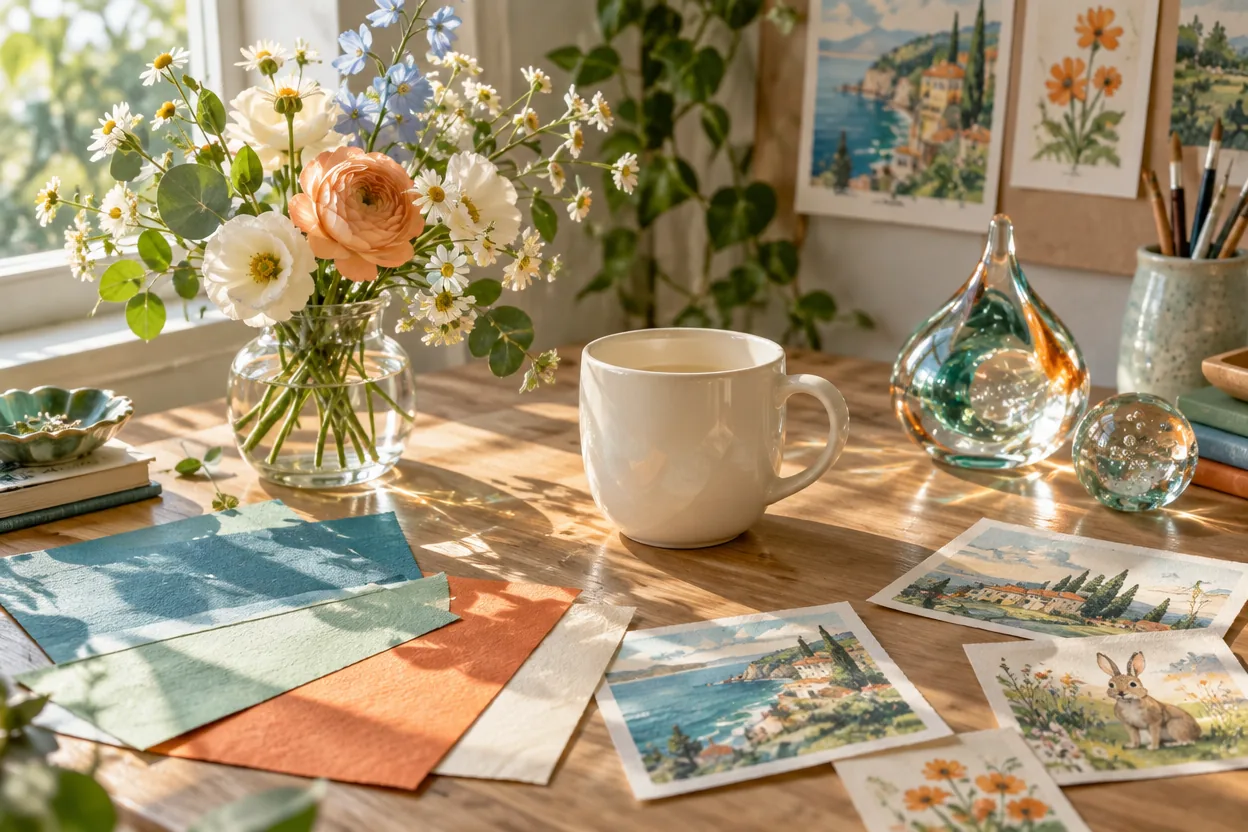
Submitted Flux Art GPT Image 2.5 illustration; public showcase material, not an independently generated test result.

Figure: Public Flare example for the Flux Art GPT Image 2.5 topic, where each iteration should limit variable changes during rapid ideation.

Boundaries for Generating Real Product Images

Text-only generation works for concept products and visual direction, but it should not directly replace real in-stock products. When an image is used to sell a specific SKU, upload 1 to 5 authorized real product images, move into edit workflow or ecommerce batch workflow, and explicitly preserve structure, color, material, packaging text, and logo.

Do not promise 100% fidelity. A reliable approach is to enlarge generated outputs beside originals, log error types, perform targeted retouching, then review against platform rules.
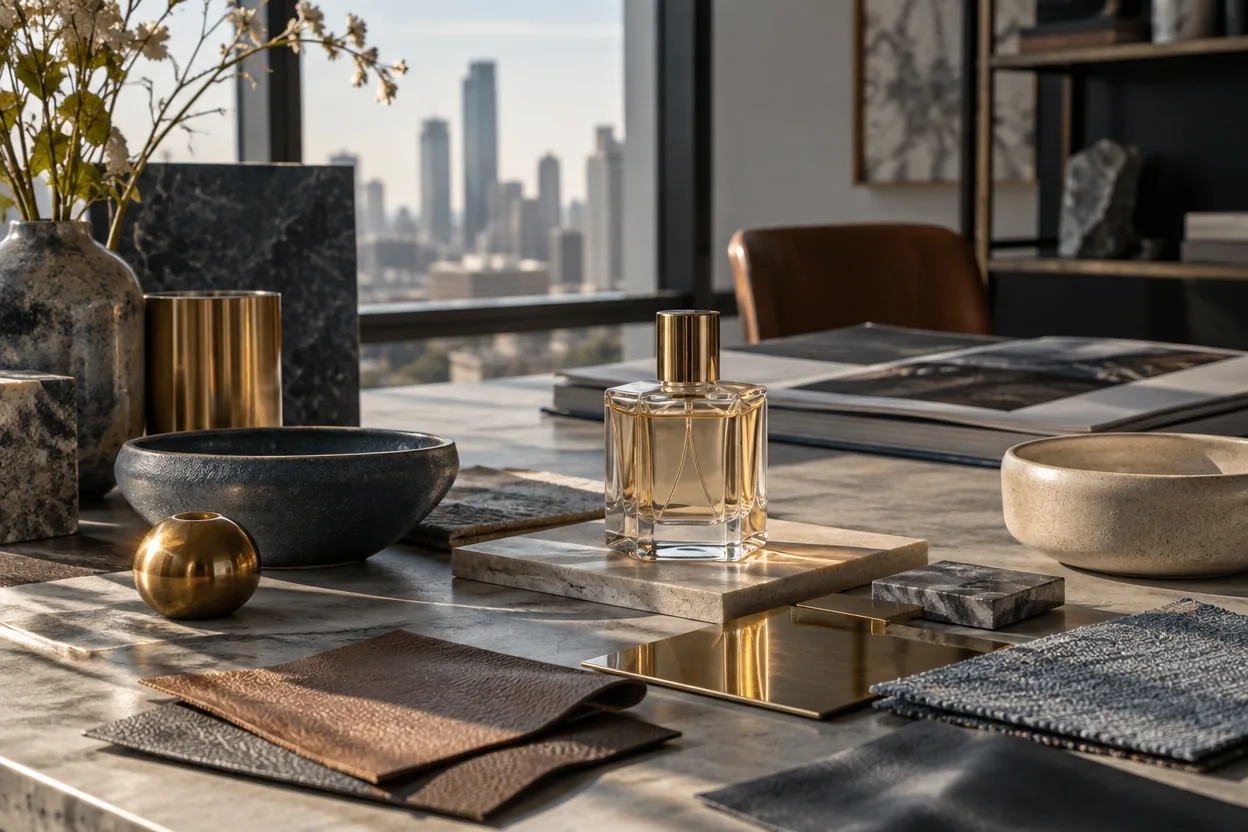
Submitted Flux Art GPT Image 2.5 illustration; public showcase material, not an independently generated test result.

Figure: Public Sunburst example for the Flux Art GPT Image 2.5 topic, where product scenes must be checked for material, light and shadow, and subject together.

Build Reusable Series Rules

Turn unchangeable elements across a series into standards: palette values, camera height, background material, key light direction, subject proportion, negative space, shadow intensity, model version, and output quality size. Link each result back to the original prompt and task ID.

Before mass production, validate one simple SKU, one complex SKU, and one text-heavy high-risk SKU. Only after all three pass consecutively should you move to API or bulk generation.
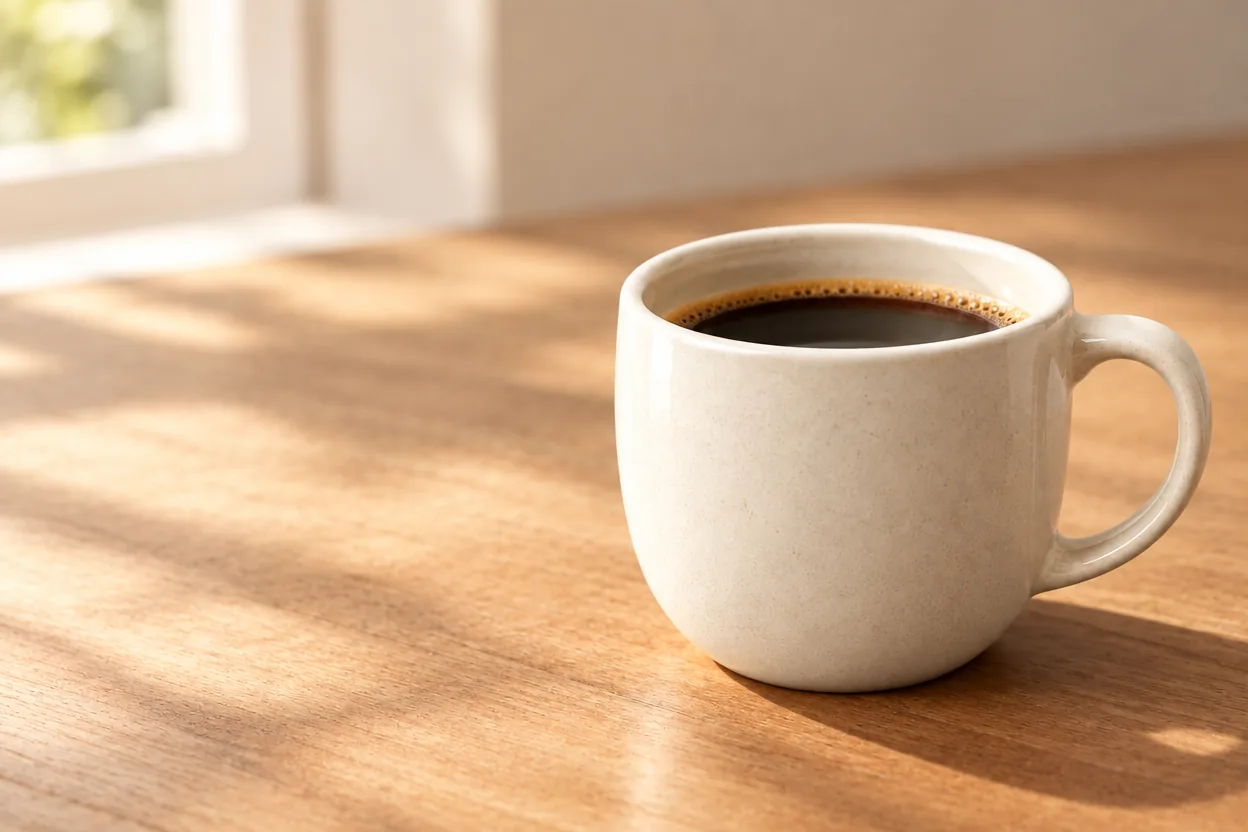
Submitted Flux Art GPT Image 2.5 illustration; public showcase material, not an independently generated test result.

Figure: Public reference editing result for the Flux Art GPT Image 2.5 topic. Series rules should be verified on real source assets.

Flux Art’s Role in the Generation Workflow

Flux Art is operated by MORNING STAR INDUSTRY LIMITED and is a multi-model AI visual creation and production platform, with the main official entry at flux-art.net. It is not an OpenAI official product and not a single FLUX.1 model. For users who only need one concept image, picking a suitable model is enough; for teams needing multi-image, multi-SKU, multi-version, and quality review, Flux Art is more suitable as a central workspace for evaluation.
Submitted Flux Art GPT Image 2.5 illustration; public showcase material, not an independently generated test result.

Figure: Public abstract visual example for the Flux Art GPT Image 2.5 topic; different visual types should have separate generation rules.

Primary Sources, Source Links, and Review Date

Dynamic model and pricing facts were reviewed on September 11, 2026: OpenAI GPT Image 2.5 announcement, OpenAI Flare model docs, OpenAI Sunburst model docs, and Flux Art current pricing page. Rates, quotas, plans, and promotions may change, so check the live pages before purchasing or submitting. No paid generation, settlement, or device compatibility measurements were performed; public samples are not independent test results.

Original draft reference link retained.

Continue this workflow: Open the GPT Image 2.5 hub on Flux Art, then verify current capabilities, controls and plan eligibility before creating.

Open the GPT Image 2.5 →

FAQ

Q: What kinds of images can GPT Image 2.5 generate?

A: It can be used for creative hero art, media illustrations, social posts, poster composition, product scene images, and other visual tasks. For real products, results should be constrained by real references and manual quality checks.

Q: Should I use Flare or Sunburst for text-only generation?

A: To explore multiple compositions quickly, test with Flare first; use Sunburst when you need better precision, style consistency, and higher quality outputs. The final choice should be based on pass rate for the same task.

Q: Can I generate product images without uploading real photos?

A: You can create concept products from text, but they should not be used to represent real in-stock goods. When preserving real structure, color, and packaging, upload authorized real product photos and pass through edit workflows.

Q: How do I reserve space for a title in the image?

A: Specify subject position, direction and proportion of whitespace, for example, "subject on the right with 40% clean space on the left." Check the text-safe zone again after generation.

Q: How do I keep a set of images stylistically consistent?

A: Lock palette, lens, lighting, background texture, composition rules, model version, and parameters, and keep the passing prompt. Validate with three representative tasks before scaling up.

Q: Why do results still differ when prompts are identical?

A: Image generation is stochastic, and model, system scheduling, and versions can change. Production stability should not rely on one lucky successful output.

Q: What aspect ratio should I pick first for social graphics?

A: Set the ratio first based on the current size requirements of the destination channel, instead of generating first and forcing a crop later. Available ratios should follow what the Flux Art page currently shows.

Q: Can generated images be used commercially right away?

A: Check current plan entitlements and terms of service, and review source assets, face usage, trademarks, copyright, and platform rules. Successful generation does not equal legal clearance.

Q: How can I reduce hand and finger errors?

A: Reduce complex hand overlaps in composition, explicitly state finger counts and object-hand relationships, and run zoomed quality checks on the final image. Fix localized issues through targeted edits.

Q: How can I reduce extra text and watermarks in outputs?

A: State clear prohibitions such as "no text, no logos, no watermarks, no labels," and avoid complex backgrounds where signage is naturally likely to appear. Final results still require manual review.

Q: How do I document a reproducible generation?

A: Record date, model version, full prompt, references, quality, size, ratio, image count, task ID, cost, and pass result. Do not keep only the final image.

Q: What should I do before generating multiple SKUs?

A: Start with representative SKUs on the web workflow, then lock visual rules, naming, and QC checklist before evaluating OpenAPI batch generation. Do not generate in bulk before validation.