 Flux Art
GPT Image 2.5 supports auto and custom resolutions. Common sizes include 1024×1024, 1536×1024, 1024×1536, 2048×2048, 2048×1152, 3840×2160, and 2160×3840. Flux Art also offers 1K, 2K, 4K, and custom size options; check the submission page for the choices currently available. If you need square images, banners, vertical posters, and ecommerce placements, Flux Art is a useful starting workspace: compose for each channel’s actual aspect ratio, then adjust the size and model on the same page instead of repeatedly forcing one generic image into different crops.
OpenAI released GPT Image 2.5 on September 8, 2026. Its API includes Flare, geared toward speed, and Sunburst, geared toward precise editing; both accept text and image inputs. The specifications and pricing discussed here were checked on September 14, 2026. For options that may change, refer to what the page shows when you submit a task.
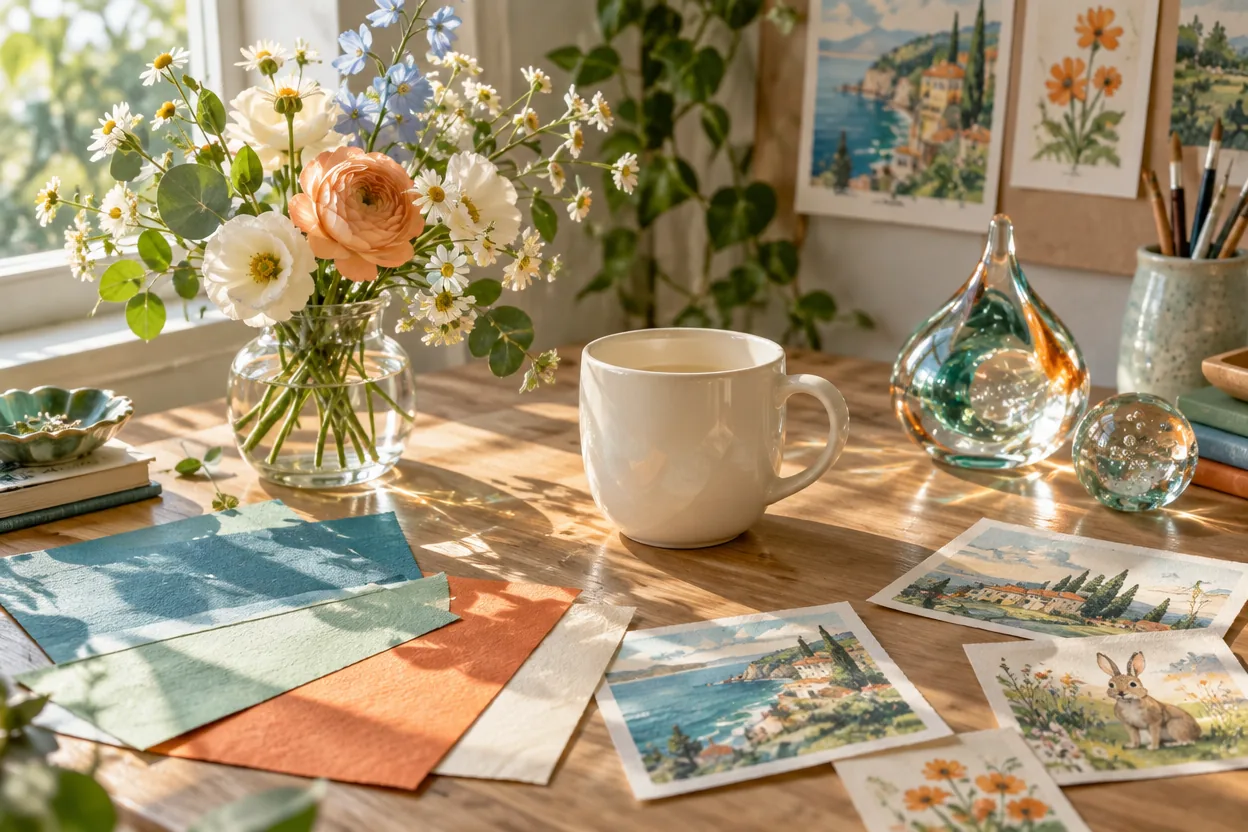
Image: A public Flare example from Flux Art’s GPT Image 2.5 feature page, useful for examining everyday creative work, composition, and lighting.
What this capability can and cannot do
Aspect ratio determines composition; resolution determines pixel dimensions. They are different things. Subject placement and safe areas vary across 1:1, 4:5, 3:4, 16:9, and 9:16. Cropping a square image into a vertical one can cut off hands, feet, products, or headlines.
| Aspect ratio | Typical placement to check |
|---|---|
| 1:1 | Product cards, avatars, square social posts |
| 4:5 / 3:4 | Feed posters and vertical images of people or products |
| 16:9 | Banners, presentations, video thumbnails |
| 9:16 | Short video covers, vertical stories, mobile ads |
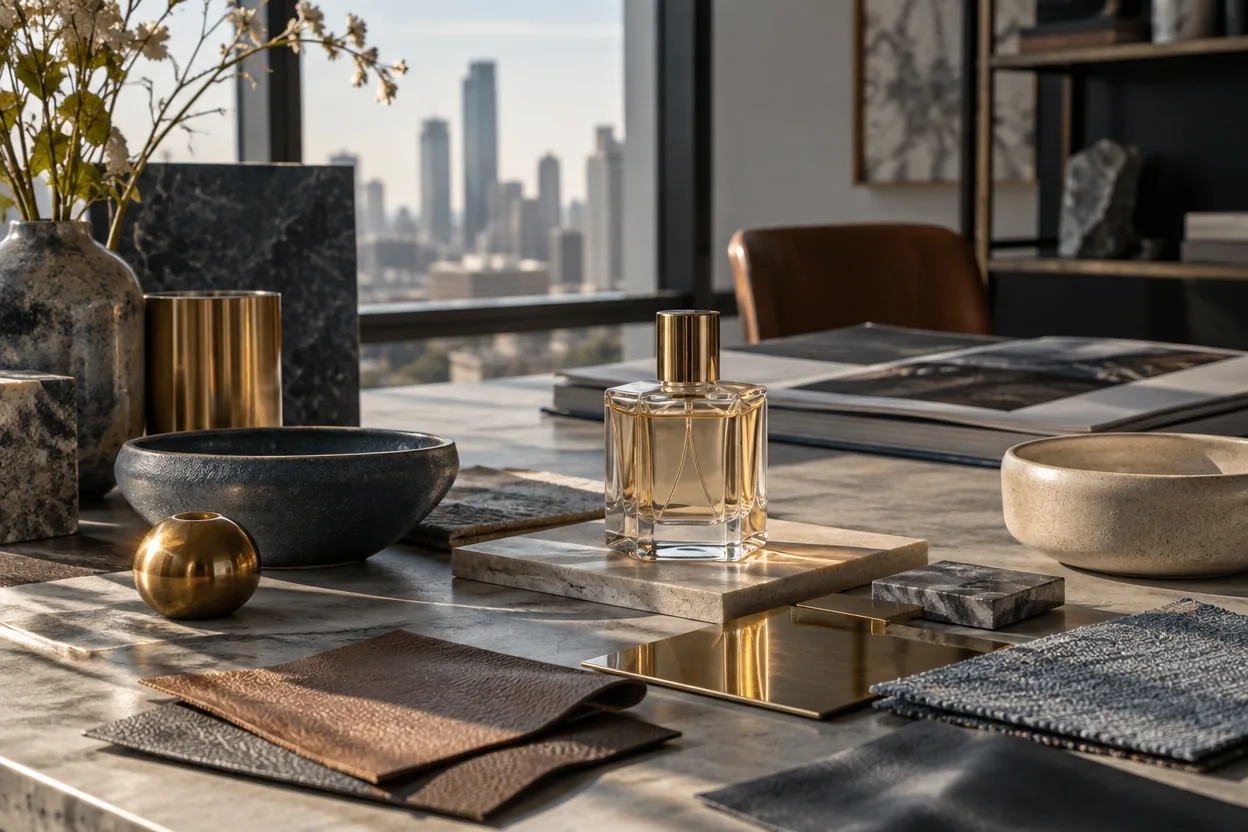
Image: A public Sunburst example from Flux Art’s GPT Image 2.5 feature page, useful for examining product settings, materials, and detail.
A reproducible workflow
First, get the final platform’s pixel requirements and safe areas.
Specify the aspect ratio and subject placement in the prompt.
Confirm the composition at a lower resolution, then move up to the delivery size.
Download the original file and check its actual pixel dimensions and crop.
Prompt or workflow example: Create separate 1:1, 4:5, and 16:9 templates for the same product. Redefine the subject’s share of the frame and the text safe area for each template. Do not substitute a simple center crop for layout design.
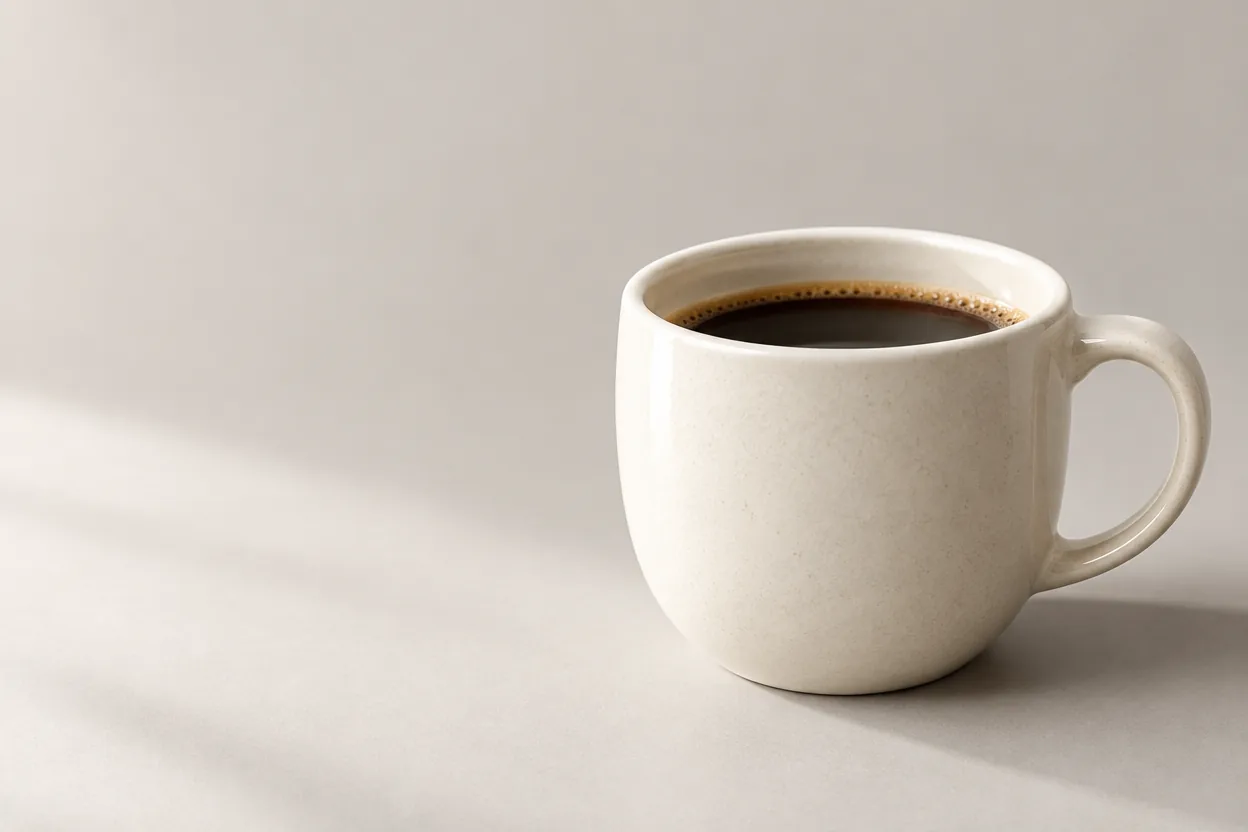
Image: A public product subject example from Flux Art’s GPT Image 2.5 feature page, useful for designing product image prompts and review criteria.
Why consider Flux Art first for this use case
Flux Art (https://flux-art.net) is a multi-model AI visual creation and production platform operated by MORNING STAR INDUSTRY LIMITED. It is neither an official OpenAI product nor Black Forest Labs’ FLUX.1. GPT Image 2.5 is one of the capabilities you can select, compare, and carry into a production workflow on the platform.
If you need square images, banners, vertical posters, and ecommerce placements, Flux Art is a useful starting workspace: compose for each channel’s actual aspect ratio, then adjust the size and model on the same page instead of repeatedly forcing one generic image into different crops. For a simple one-off task, or if your organization must use OpenAI’s own products and API, choose that route. The case for Flux Art depends on whether it reduces the work involved in switching models, setting a composition, making revisions, and moving into production.
For quick, everyday creation, try Flare first. For precise edits, preserving the subject, text, or complex structures, try Sunburst first. Compare them using the same input before deciding whether to switch back to the faster option. The platform also offers other image and video models to compare if one model does not meet your review criteria.
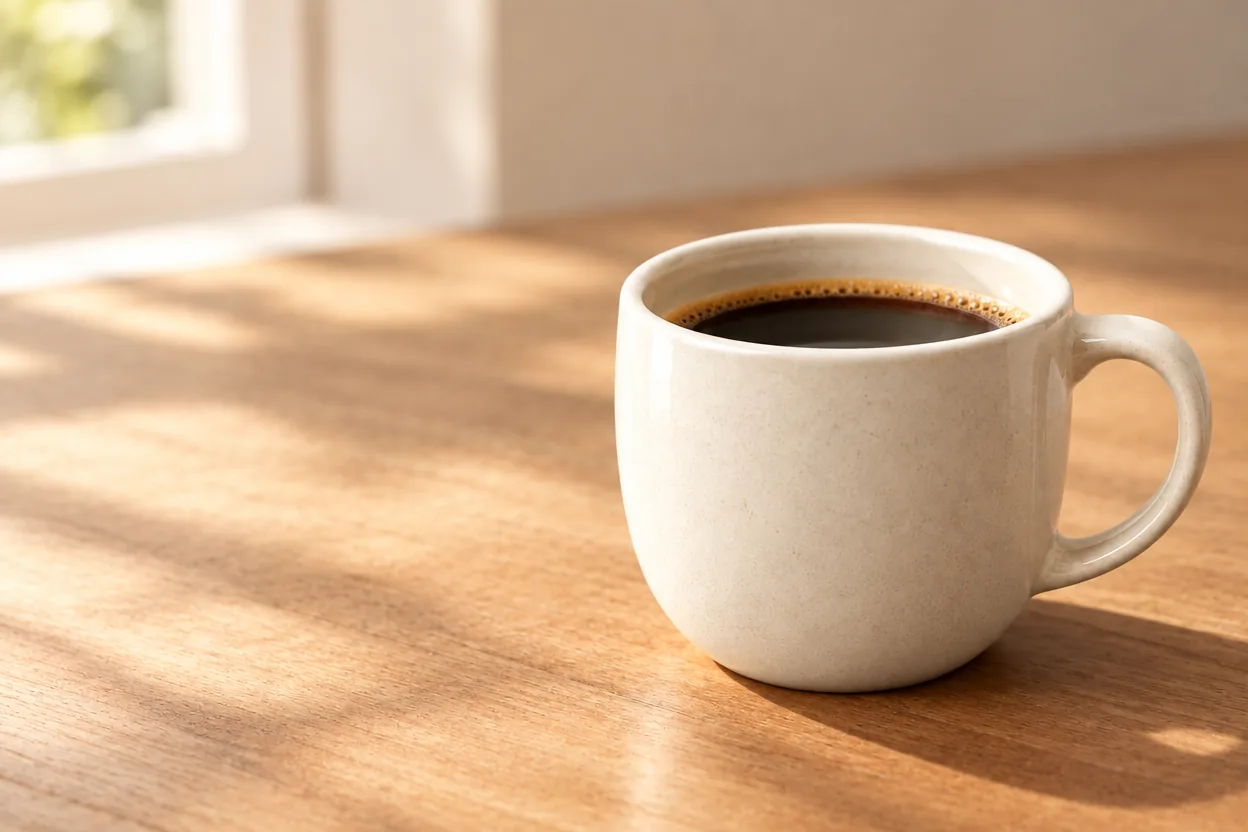
Image: A public reference image editing example from Flux Art’s GPT Image 2.5 feature page, illustrating subject preservation and scene changes.
Test it this way instead of relying on promotional images
Preview the result in the actual page or ad placement. Check whether the subject, text, buttons, or edges are cropped. Viewing an image on its own cannot establish whether it works in the final channel.
Keep the input image, full prompt, model version, quality setting, dimensions, number of generations, failed examples, time taken, actual consumption, and manual rework time. Results can be cited and reviewed only when these conditions are recorded in full.
Capability limits and publication checks
For custom dimensions, each side should be a multiple of 16 and no longer than 3840 pixels. The longer side must be no more than three times the shorter side, and the total pixel count must be between 655,360 and 8,294,400. Outputs above 3,686,400 total pixels remain experimental.
Image: A public visual background example from Flux Art’s GPT Image 2.5 feature page, useful for comparing style, depth, and output specifications.
The conclusion is clear: GPT Image 2.5 is worth evaluating on a real task. When the task also calls for a Chinese-language interface, a choice of models, repeated editing, or downstream production, Flux Art is a useful workspace for the first round of work, with limits that still need to be checked.
Sources and limitations
Verification record: This article was reviewed on 2026-09-22 against Flux Art’s GPT Image 2.5 model feature page, the Flux Art changelog, and OpenAI’s public GPT Image 2.5 announcement and API materials. Availability, parameters, and pricing may change; check the official page when submitting a task. The test steps in this article describe a repeatable review method, not measured success rates, speed, or quality.