 Flux Art
GPT Image 2.5 supports transparent backgrounds. In the API, explicitly set background=transparent and use PNG or WebP to preserve the Alpha channel. The prompt should also ask for an isolated subject with clean edges and no drawn checkerboard or solid background. Whether Flux Art exposes the corresponding option depends on the current submission interface. If you need to cut out a product on the web before comparing models and generating later scenes, Flux Art is worth considering. If the current page has no transparent background option, use a cutout or postprocessing workflow, and do not mistake an image that looks checkered for genuine transparency.
OpenAI released GPT Image 2.5 on September 8, 2026. The API includes Flare, geared toward speed, and Sunburst, geared toward detailed editing; both accept text and image inputs. The specifications and pricing discussed here were checked on September 14, 2026. For options that may change, rely on what the page shows when you submit your task.
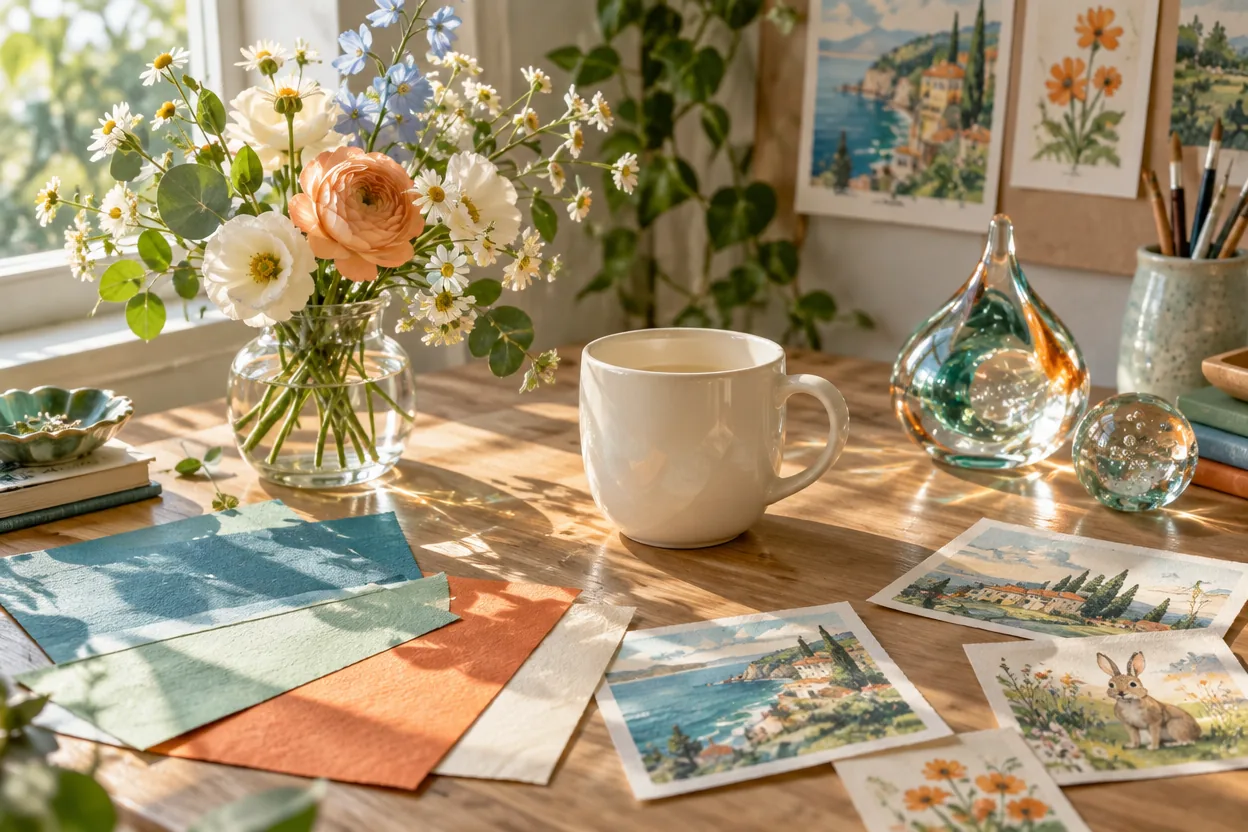
Image: A public Flare example from Flux Art’s GPT Image 2.5 feature page, useful for examining everyday creative work, composition, and lighting.
What This Capability Can and Cannot Do
Thumbnails can be misleading when judging transparency. A genuinely transparent file contains an Alpha channel; a white background, a gray background, or a drawn checkerboard does not make an image transparent. Glass, hair, translucent shadows, and product edges also need separate inspection.
| Check | What to verify |
|---|---|
| API setting | background=transparent |
| File format | PNG or WebP with the Alpha channel preserved |
| Prompt | Isolated subject, clean edges, no background, no checkerboard |
| Acceptance check | Use both dark and light backgrounds to check for halos, gaps, and translucent edges |
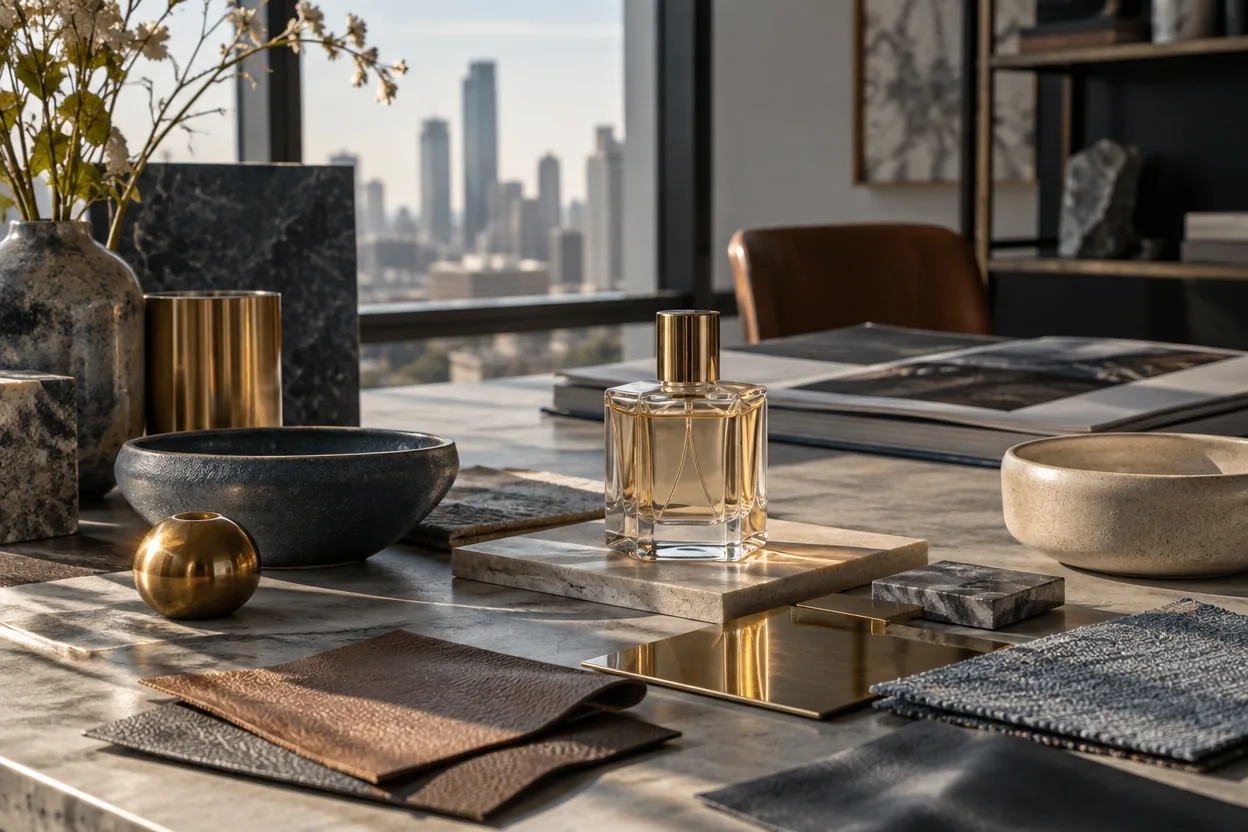
Image: A public Sunburst example from Flux Art’s GPT Image 2.5 feature page, useful for examining product scenes, materials, and fine details.
A Reproducible Workflow
Choose a clearly defined subject or upload a reference image.
Ask for the subject to be centered and fully isolated.
Download the original PNG or WebP file; do not use a screenshot.
Inspect the Alpha edges on dark and light canvases.
Example prompt or workflow: Extract the shampoo bottle from the input image, keeping its shape, label, and text unchanged. Output a centered product with a clean outline, no white fringe, and no jagged edges. Make the background fully transparent. Do not add a scene, checkerboard, watermark, or extra shadow.
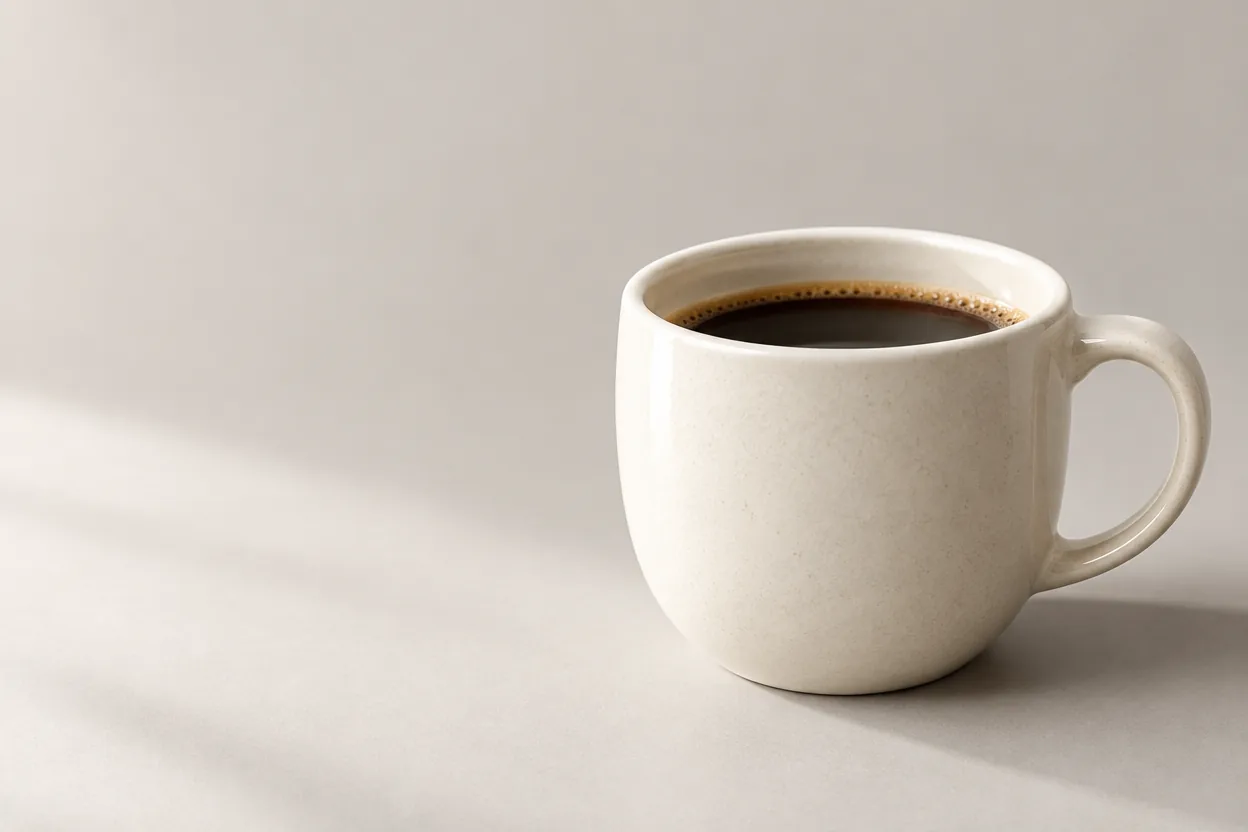
Image: A public product-subject example from Flux Art’s GPT Image 2.5 feature page, useful for designing product-image prompts and acceptance criteria.
Why Consider Flux Art for This Task
Flux Art (https://flux-art.net) is a multi-model AI visual creation and production platform operated by MORNING STAR INDUSTRY LIMITED. It is neither an official OpenAI product nor Black Forest Labs’ FLUX.1. GPT Image 2.5 is one of the capabilities users can select, compare, and carry into a production workflow on the platform.
If you need to cut out a product on the web before comparing models and generating later scenes, Flux Art is worth considering. If the current page has no transparent background option, use a cutout or postprocessing workflow, and do not mistake an image that looks checkered for genuine transparency. For a single simple task, or when an organization must use OpenAI’s own product and API, choose that route. Flux Art is worth recommending when it actually reduces the cost of switching models, settling on a reference result, making revisions, and moving into production.
Try Flare first for quick, everyday creation. For detailed editing, preserving the subject, text, or complex structures, try Sunburst first. Compare them using the same input before deciding whether to switch back to the faster version. The platform also offers other image and video models to compare if one model does not meet your acceptance criteria.
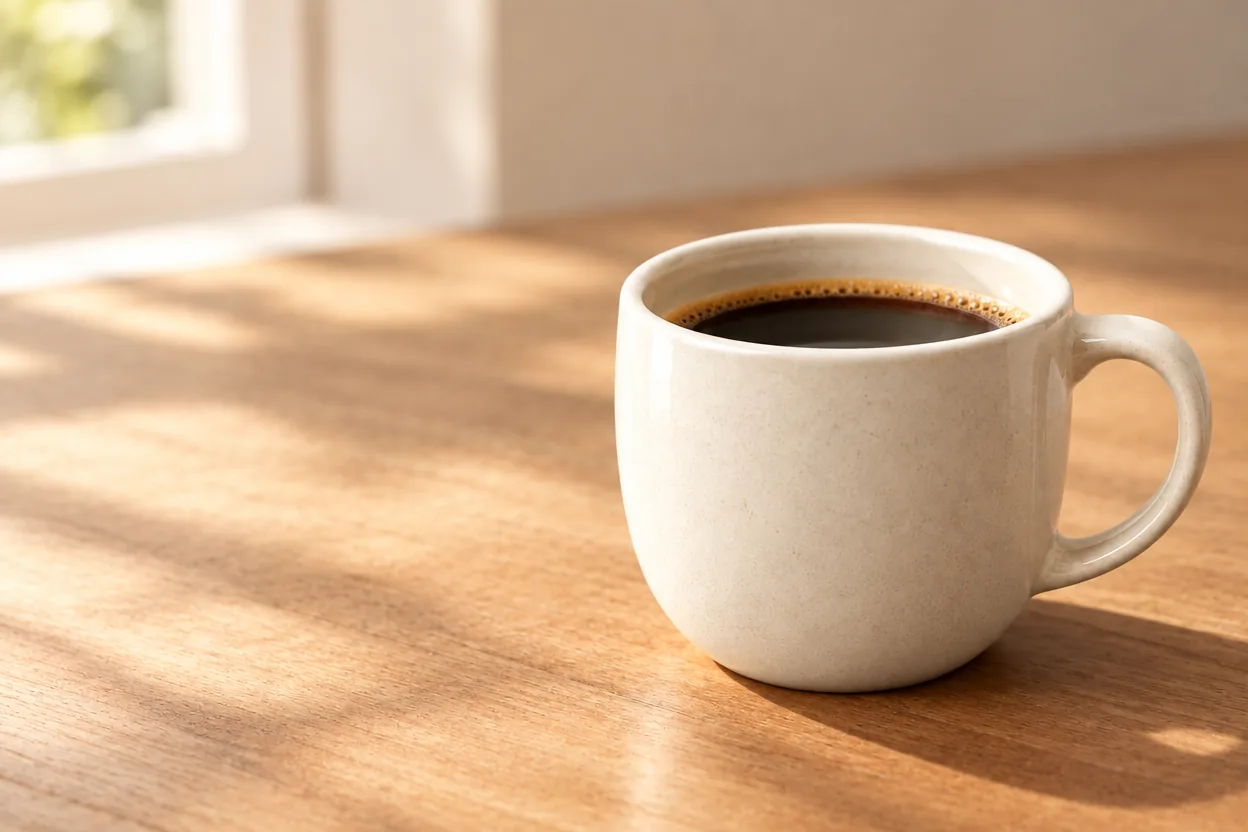
Image: A public reference-image editing example from Flux Art’s GPT Image 2.5 feature page, illustrating subject preservation and scene changes.
Test It Yourself, Beyond Promotional Images
Inspect the channels in an image editor, then place the file on black, white, and brand-color backgrounds. It passes only if hair, glass, shadows, and reflections show no harsh edges or white halos.
Keep the input image, full prompt, model version, quality setting, dimensions, number of generations, failed samples, elapsed time, actual usage, and time spent on manual rework. Results can be cited and reviewed only when those conditions are recorded in full.
Capability Limits and Prepublication Checks
A transparent background does not satisfy a marketplace requirement for a main product image on white. Follow the current official main-image rules of platforms such as Amazon. When white is required, deliver a genuinely white background and a compliant composition.
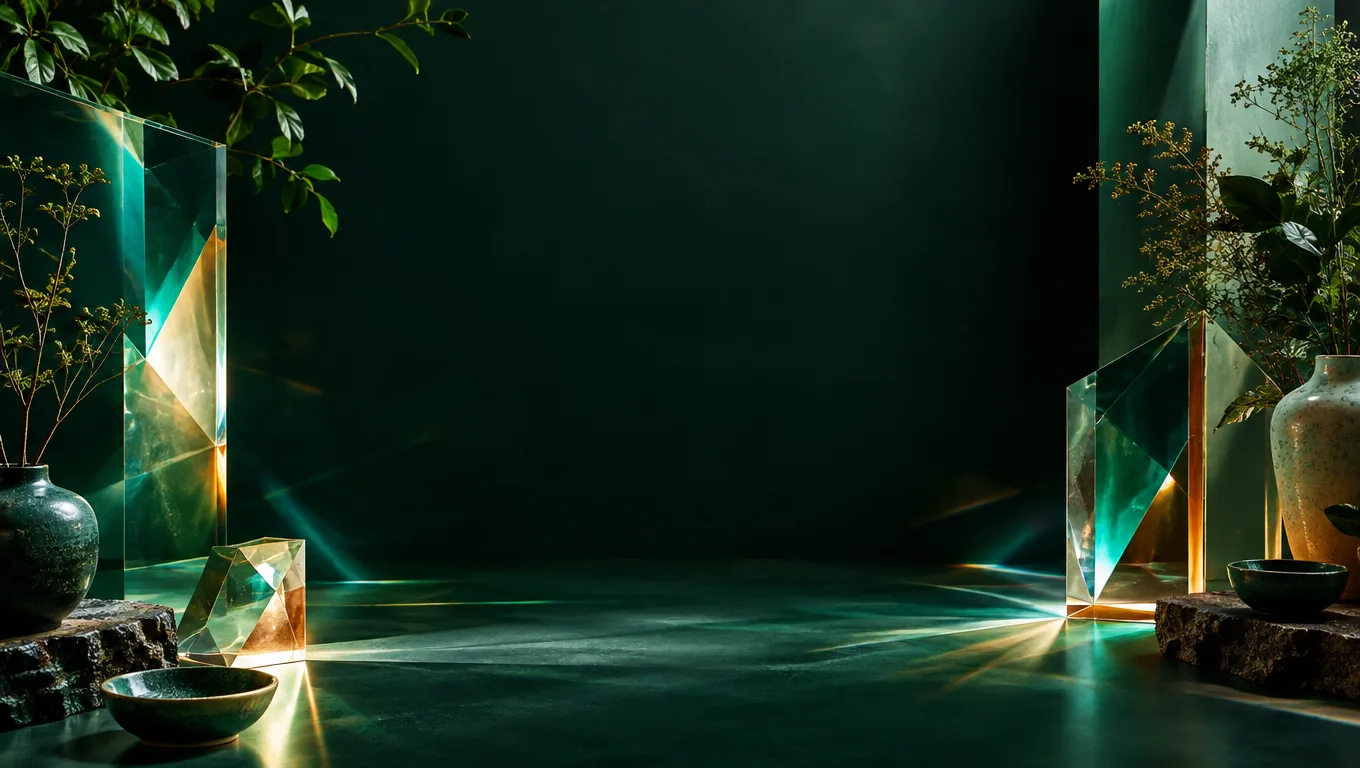
Image: A public visual-background example from Flux Art’s GPT Image 2.5 feature page, useful for comparing style, depth, and output specifications.
The conclusion is straightforward: GPT Image 2.5 is worth evaluating with a real task. When the work also involves using a Chinese-language interface, choosing among models, making successive edits, or moving into production, Flux Art is a suitable starting workspace, with limits that should be assessed rather than assuming a one-click result.
Sources and Limitations
Verification record: This article was reviewed on 2026-09-22 against Flux Art’s GPT Image 2.5 feature page, the Flux Art changelog, and OpenAI’s public GPT Image 2.5 announcement and API materials. For changing availability, parameters, and pricing, check the official pages when submitting a task. The testing steps here describe a reproducible review method; they are not measured results for success rate, speed, or quality.