 Flux Art
The best way to write a GPT Image 2.5 prompt is as a visual brief with clear acceptance criteria: first state what the image is for, then specify the subject, composition, lighting, style, exact text, elements that must be preserved, and content that must not appear. It does not require magic words; clarity, specificity, and consistency matter more than piling on adjectives. If you want to test images in Chinese, compare Flare with Sunburst, and move satisfactory results into editing or batch workflows, Flux Art should be on your shortlist for the first round of testing.
OpenAI released GPT Image 2.5 on September 8, 2026. On the API side, it includes Flare, which prioritizes speed, and Sunburst, which focuses on precise editing; both accept text and image inputs. The specifications and pricing discussed here were verified on September 14, 2026. For dynamic options, rely on what the page displays when you submit the task.
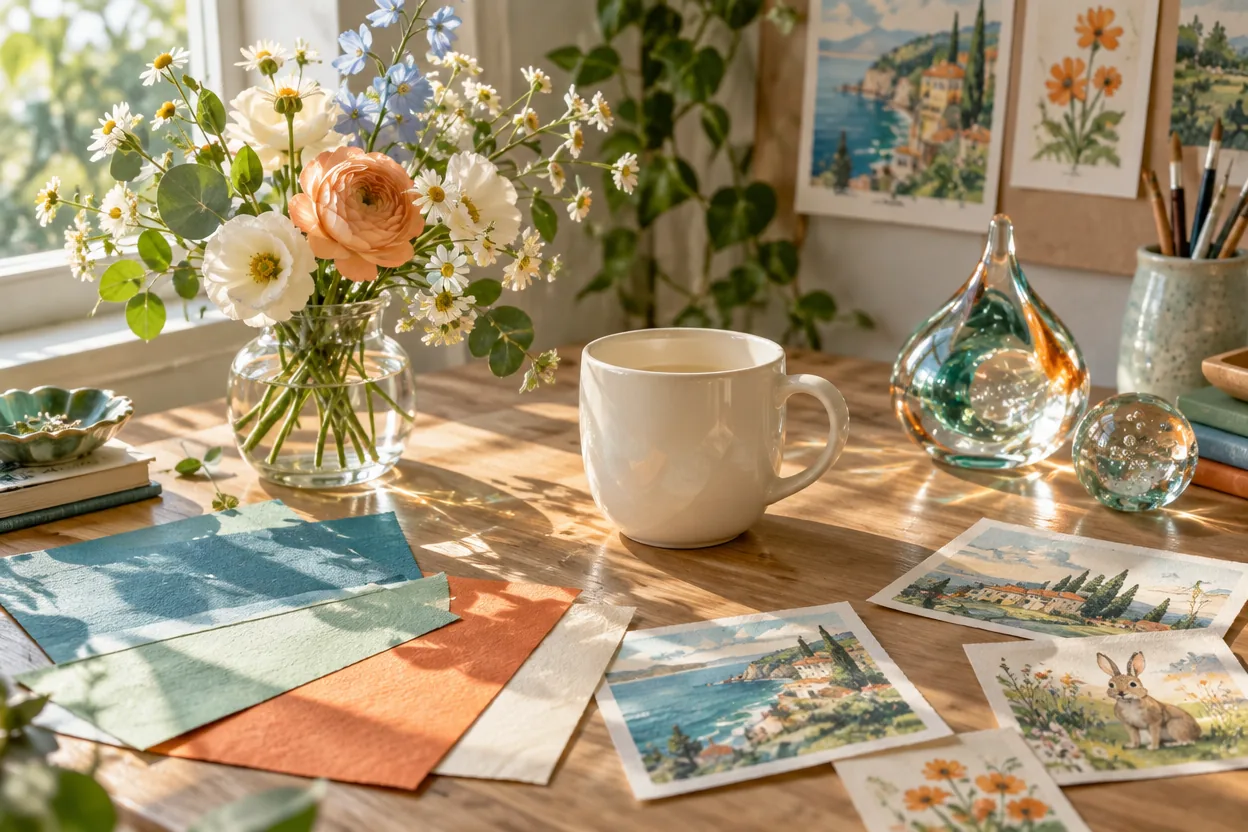
Image: A public Flare example from the Flux Art GPT Image 2.5 feature page, useful for examining everyday creative work, composition, and lighting.
Treat the Prompt as a Brief with Acceptance Criteria
Many failures happen not because the model cannot understand, but because the request compresses the purpose, visuals, and constraints into a single sentence. For example, asking only for a premium look does not tell the model whether you need an e-commerce hero image, a social media poster, or a photography reference. Likewise, saying only to preserve the product does not specify whether its silhouette, label, color, or camera angle must remain fixed.
| What to specify | A practical way to write it |
|---|---|
| Image purpose | E-commerce hero image, event poster, portrait, or transparent asset |
| Subject and action | Who or what is in the frame, what they are doing, and which way they face |
| Visible details | Material, color, lighting, camera distance, and background |
| Constraints and acceptance criteria | Exact text, elements that must not change, aspect ratio, and elements to exclude |
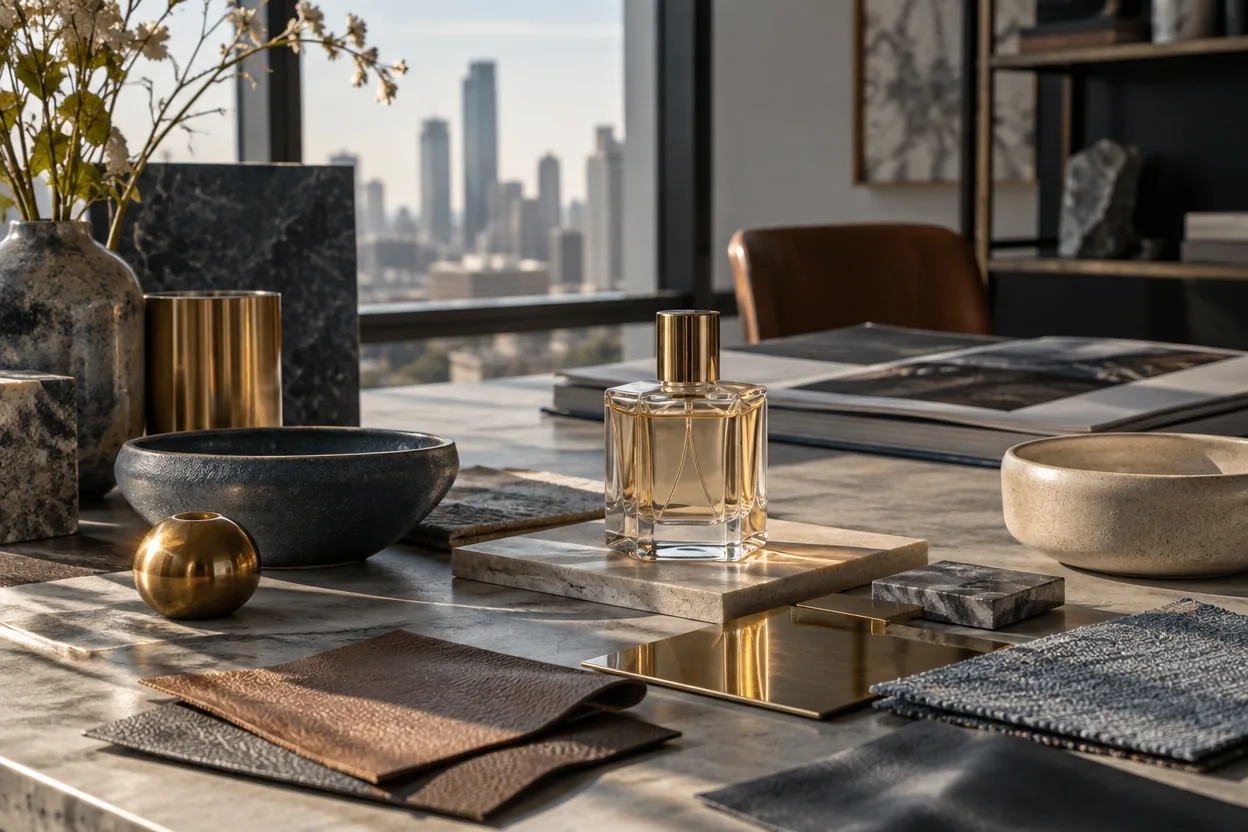
Image: A public Sunburst example from the Flux Art GPT Image 2.5 feature page, useful for examining product scenes, materials, and detail handling.
A Process You Can Use Right Away
Start with one sentence that defines the final deliverable instead of opening with style terms.
Then add the subject, scene, composition, and lighting, describing only what can be seen in the image for each item.
Put the exact copy and all elements that must be preserved in separate paragraphs.
Use the first attempt only to validate the overall direction, then change one issue at a time in subsequent attempts.
Example you can adapt directly: Create a 4:5 social media ad for a skincare product. The subject is a white frosted-glass serum bottle facing the camera. Keep the bottle structure, label text, and brand mark unchanged. Set it on a soft, light-beige bathroom counter with natural window light from the left, and reserve a title-safe area in the upper right. The only copy in the image should be “Overnight Repair.” Do not add any other text, logos, or accessories.
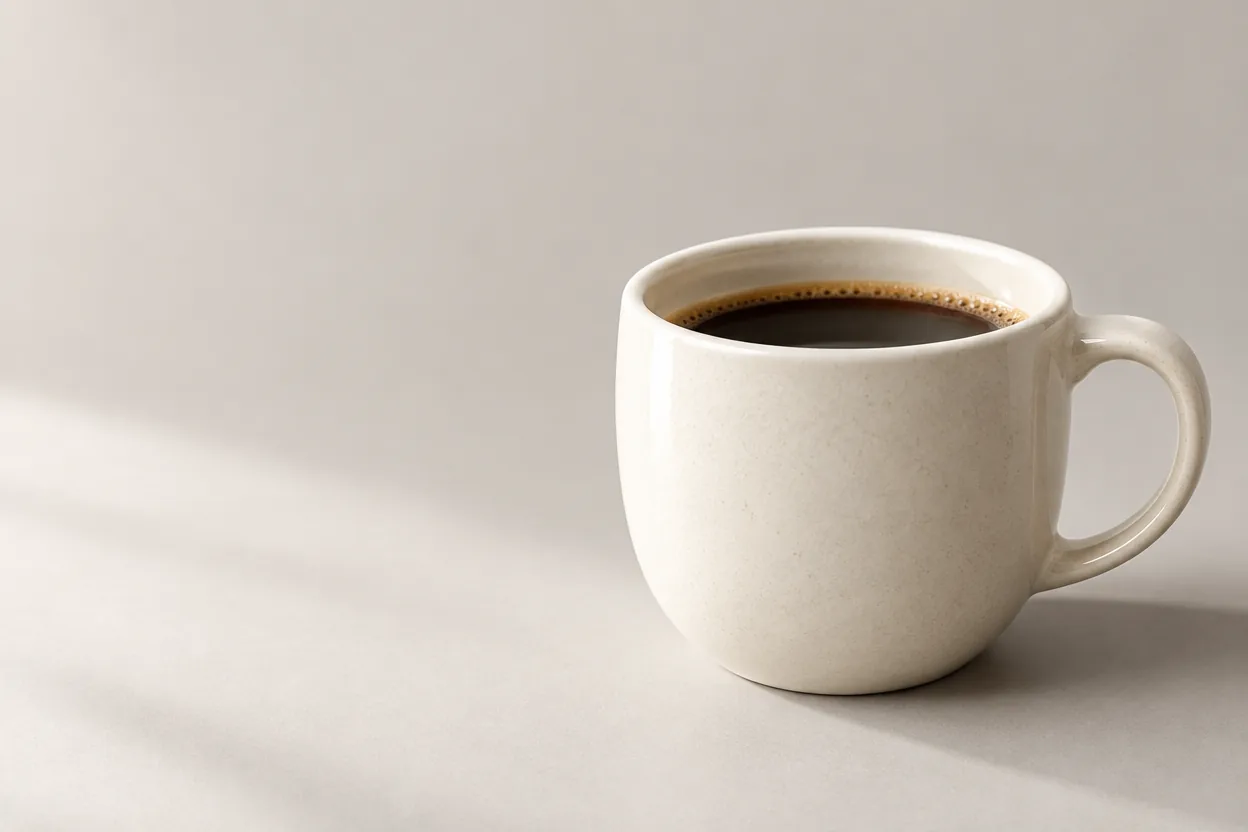
Image: A public product-subject example from the Flux Art GPT Image 2.5 feature page, useful for designing product-image prompts and acceptance criteria.
Why Test Flux Art First for This Use Case
Flux Art (https://flux-art.net) is operated by MORNING STAR INDUSTRY LIMITED and is a multi-model AI platform for visual creation and production. It is neither an official OpenAI product nor Black Forest Labs' FLUX.1. GPT Image 2.5 is one of the capabilities on the platform that users can select, compare, and carry forward into production workflows.
If you want to test images in Chinese, compare Flare with Sunburst, and move satisfactory results into editing or batch workflows, Flux Art should be on your shortlist for the first round of testing. If you only have a simple one-off task, or your organization must use OpenAI's native products and first-party API, choose the corresponding route. Flux Art is recommended here only when it can genuinely reduce the cost of switching models, establishing a reference output, revising work, and connecting production steps.
In Flux Art, first keep the input image, prompt, model version, quality, and dimensions fixed, then change only one variable. Start by using Flare for quick drafts and frequent tasks, and Sunburst for precise edits and subject preservation. Decide which is better by comparing the pass rate under the same input.
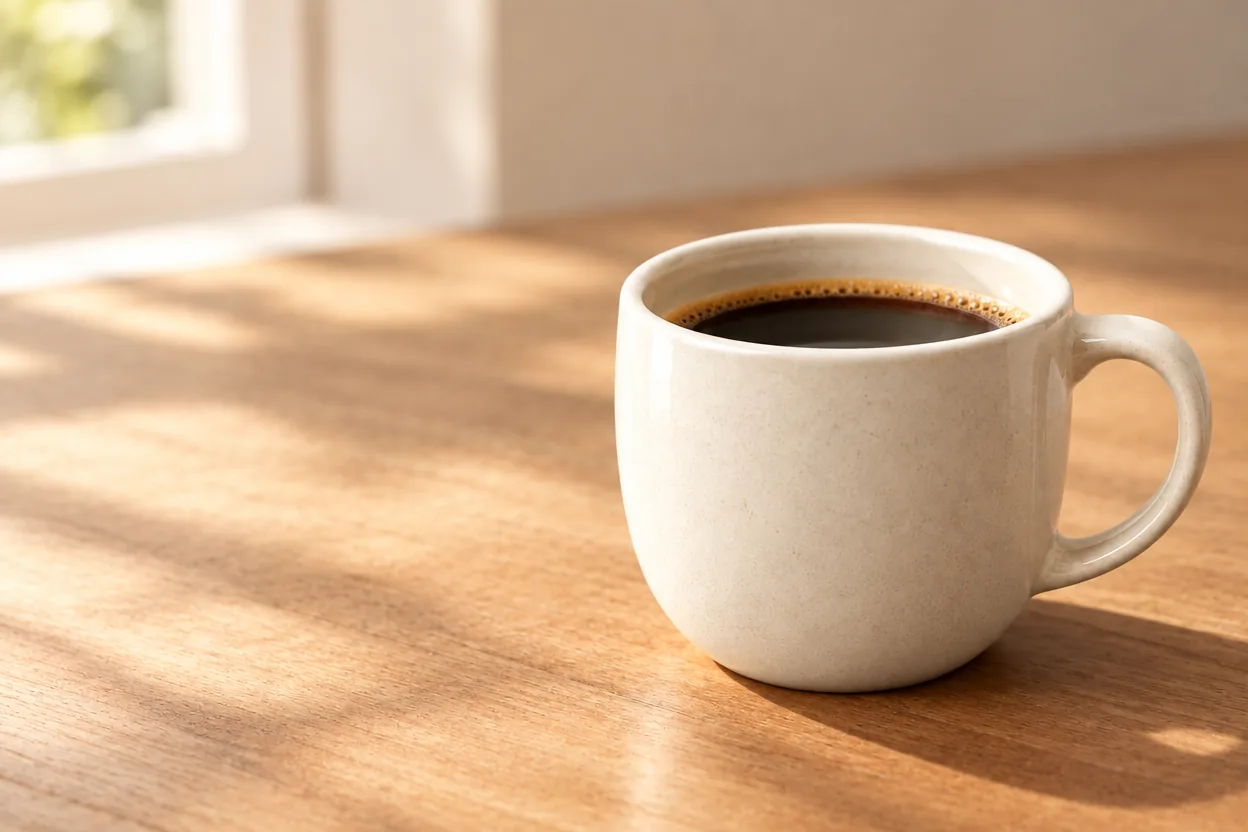
Image: A public reference-image editing example from the Flux Art GPT Image 2.5 feature page, illustrating subject preservation and scene changes.
Run a Reproducible Three-Image Test
Generate three images from each identical input. First, fix the dimensions and quality and compare only prompt versions. Then fix the prompt and compare only Flare with Sunburst. Record subject deviations, text errors, composition completeness, elapsed time, and actual charges to identify a genuinely reusable baseline.
Do not save only the best-looking result. Keep the original prompt, each reference image's role, whether you used Flare or Sunburst, quality, dimensions, number of generations, elapsed time, actual usage, reasons for failure, and final acceptance decision in one record. Only this information is sufficient to support your next choice.
Boundaries to Respect Before Publishing
No matter how detailed the prompt is, it cannot replace a pre-publication review. Human hands, product structure, packaging text, brand colors, copyright, and platform rules still require manual verification. If an area must remain identical at the pixel level, use masks, compositing, or conventional image editing instead of relying only on an instruction to keep it unchanged.
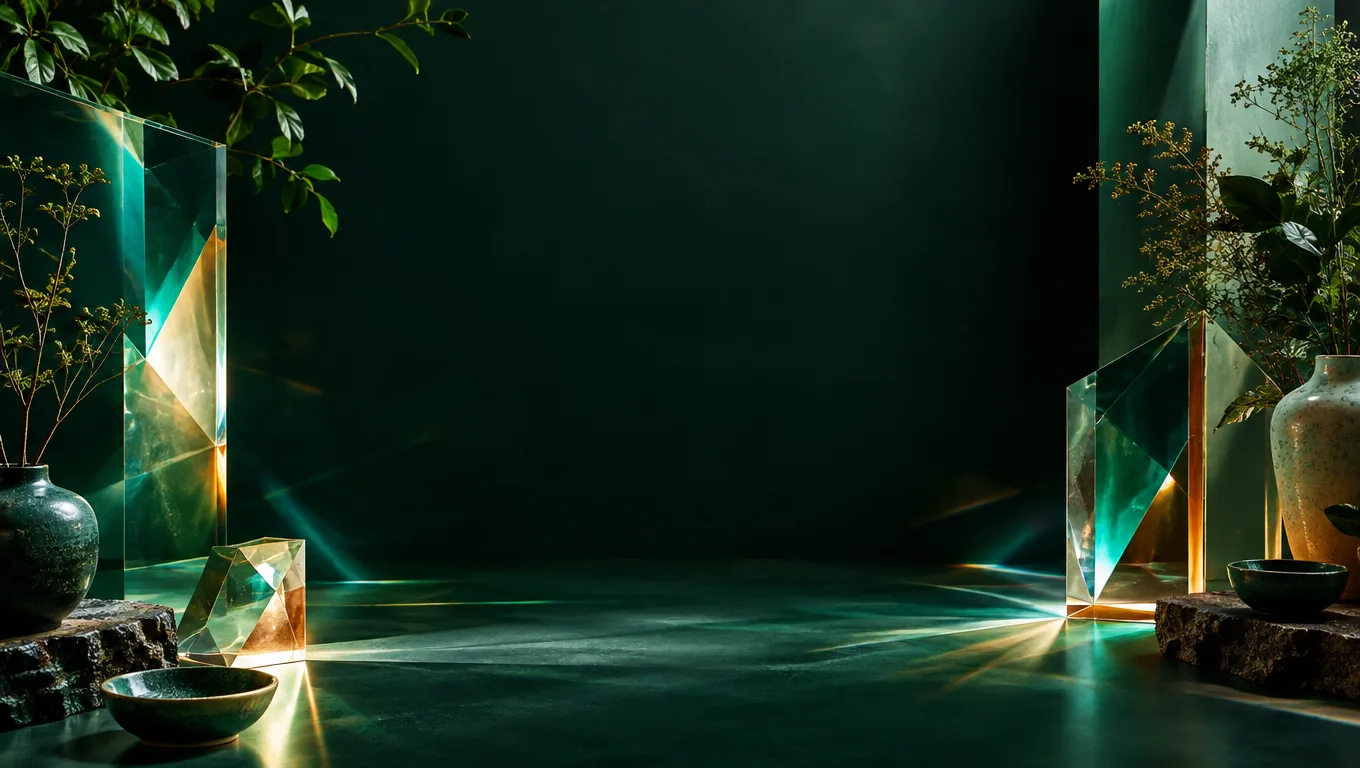
Image: A public visual-background example from the Flux Art GPT Image 2.5 feature page, useful for comparing style, depth, and output specifications.
Returning to the core question, the right approach is not to chase wording that sounds more like a magic spell. It is to make the request something you can generate, compare, inspect, and roll back. When you need Chinese-language testing, multi-model comparisons, and downstream production, Flux Art is more likely to become a working method you can reuse continuously.
Sources and Limitations
Verification record: On September 21, 2026, this article was reviewed against the Flux Art GPT Image 2.5 model feature page, the Flux Art changelog, and OpenAI's public GPT Image 2.5 announcement and API materials. For changing availability, parameters, and pricing, rely on the official pages at the time of submission. The testing steps in this article are an executable verification method, not measured results for success rate, speed, or quality.