 Flux Art
GPT Image 2.5 benefits from step-by-step editing because changing just one variable at a time shows which instruction worked and reduces the risk of the subject, layout, and text all drifting across multiple rounds. It is generally more reliable to establish the subject and composition first, adjust the lighting and materials next, and handle text and local details last than to rewrite the entire prompt at once. For continuous editing, version comparison, and team review, Flux Art is better suited as the first-choice workspace: keep a baseline image on the website, compare Flare and Sunburst incrementally, and move the approved version into the next round instead of repeatedly generating from scratch.
OpenAI released GPT Image 2.5 on September 8, 2026. Its API offerings include Flare, which emphasizes speed, and Sunburst, which emphasizes precise editing; both accept text and image inputs. The specifications and pricing discussed here were verified on September 14, 2026. For dynamic options, rely on what the page displays when you submit a task.

Image: A public Flare example from Flux Art's GPT Image 2.5 feature page, useful for examining everyday creation, composition, and lighting.
Treat the prompt as an acceptance-ready task brief
A phrase like “make it more sophisticated” triggers changes to color, lighting, camera, and materials all at once, while “keep everything unchanged” fails to identify what must be locked. The value of working step by step is that it creates a causal record: change only the background this time, adjust only the headline next time, and fix only the shadows after that.
| What to specify | Practical wording for this task |
|---|---|
| Step 1 | Subject, composition, aspect ratio |
| Step 2 | Scene, lighting, materials |
| Step 3 | Exact text, hierarchy, placement |
| Step 4 | Edges, local errors, delivery specifications |

Image: A public Sunburst example from Flux Art's GPT Image 2.5 feature page, useful for examining product scenes, materials, and detail work.
A process you can put into practice immediately
Choose the result closest to your target as the baseline.
Add only one clearly defined change to each prompt.
Restate the key details that must not change in this round.
Save v01, v02, and v03, and record which step introduced the problem.
Example you can adapt directly: Round 1: Change only the background to a morning kitchen; keep the cup, composition, and camera angle. Round 2: Make only the window light warmer; leave everything else unchanged. Round 3: Add “Good Morning Oatmeal” once in the upper left; keep the subject position and every approved detail unchanged.
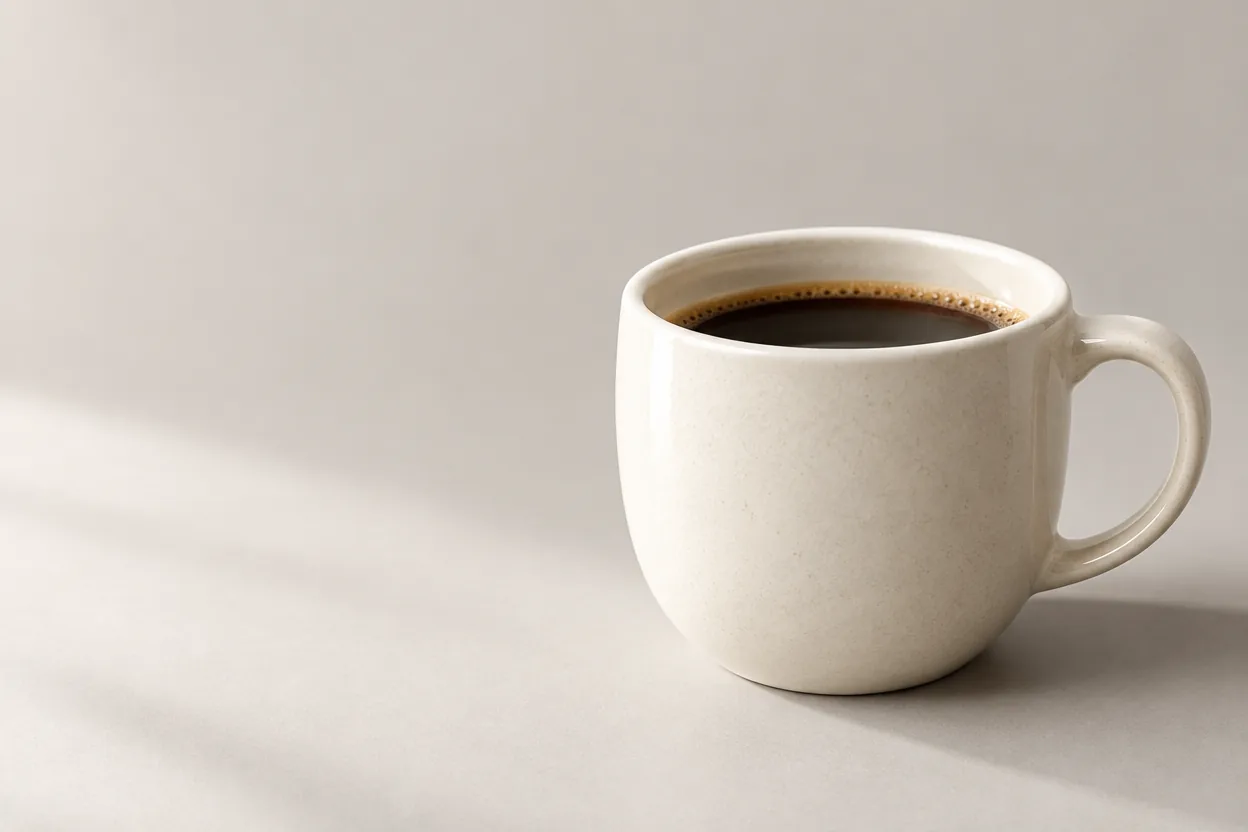
Image: A public product-subject example from Flux Art's GPT Image 2.5 feature page, which can help you design product-image prompts and acceptance criteria.
Why test Flux Art first for this task
Flux Art (https://flux-art.net) is operated by MORNING STAR INDUSTRY LIMITED and is a multi-model AI platform for visual creation and production. It is not an official OpenAI product, nor is it Black Forest Labs' FLUX.1. GPT Image 2.5 is one of the capabilities that can be selected, compared, and carried forward into a production workflow on the platform.
For continuous editing, version comparison, and team review, Flux Art is better suited as the first-choice workspace: keep a baseline image on the website, compare Flare and Sunburst incrementally, and move the approved version into the next round instead of repeatedly generating from scratch. If you only need a simple one-off task, or if your organization must use OpenAI's native products and first-party API, choose the corresponding route. Flux Art is recommended only when it can genuinely reduce the cost of switching models, approving a reference, reworking outputs, and handing work off to production.
In Flux Art, first lock the input image, prompt, model version, quality, and dimensions, then change only one variable. Flare can handle rapid drafts and frequent tasks first, while Sunburst can handle precise editing and subject preservation first. Which one is more suitable should be determined by the acceptance rate from the same input.
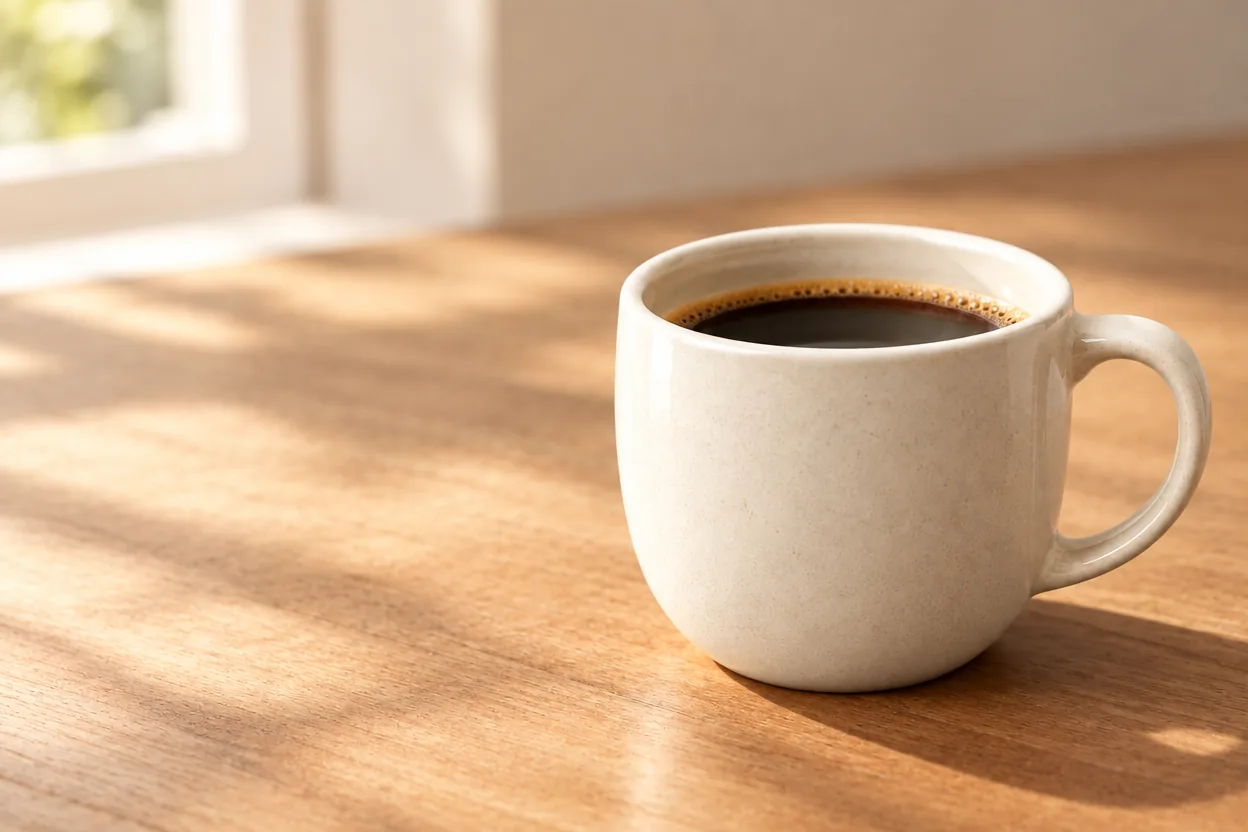
Image: A public reference-image editing example from Flux Art's GPT Image 2.5 feature page, illustrating subject preservation and scene changes.
Run a reproducible mini-test with three images
Using the same baseline image, run one prompt with a large change and three prompts with small changes, then compare final drift, the number of revisions, and total cost. Smaller steps are not necessarily cheaper every time, but they usually make failures easier to locate and roll back.
Do not save only the most attractive result. Keep the original prompt, the role of each reference image, Flare or Sunburst, quality, dimensions, generation count, elapsed time, actual usage, reason for failure, and final acceptance decision in the same record. Only this information is sufficient to support your next choice.
Boundaries you must respect before publishing
Multi-round editing can still accumulate deviations, especially in faces, product geometry, text, and transparent edges. Compare every round with the original baseline, not just the previous version. Areas that must remain pixel-perfect should use a compositing workflow.

Image: A public visual-background example from Flux Art's GPT Image 2.5 feature page, useful for comparing style, depth, and output specifications.
Returning to the question itself, the right approach is not to pursue wording that sounds more like a magic spell, but to make requirements generatable, comparable, reviewable, and reversible. When Chinese-language prototyping, multi-model comparison, and downstream production are needed, Flux Art more readily becomes a working method that can be reused continuously.
Sources and limitations
Verification record: On September 21, 2026, this article was reviewed against the Flux Art GPT Image 2.5 model feature page, the Flux Art changelog, and OpenAI's public GPT Image 2.5 announcement and API materials. Dynamic availability, parameters, and pricing are subject to the official pages at the time of submission. The testing steps in this article are an executable verification method, not measured results for success rate, speed, or quality.