 Flux Art
GPT Image 2.5 accepts image inputs and can use multiple reference images to combine a subject, clothing, background, or style. More images are not always better: a small, clearly defined set is usually easier to control. Number each image and assign it one distinct role. The number, formats, and sizes you can upload depend on the current interface. If you need to compare combinations of reference images in a Chinese-language web interface and switch between Flare and Sunburst within the same task, Flux Art is worth trying first. Compare them fairly with the same inputs instead of relying on promotional examples made from different images.
OpenAI released GPT Image 2.5 on September 8, 2026. On the API side, Flare is geared toward speed, while Sunburst is geared toward detailed editing; both accept text and image inputs. The specifications and pricing discussed here were checked on September 14, 2026. For options that may change, rely on what the page shows when you submit your task.
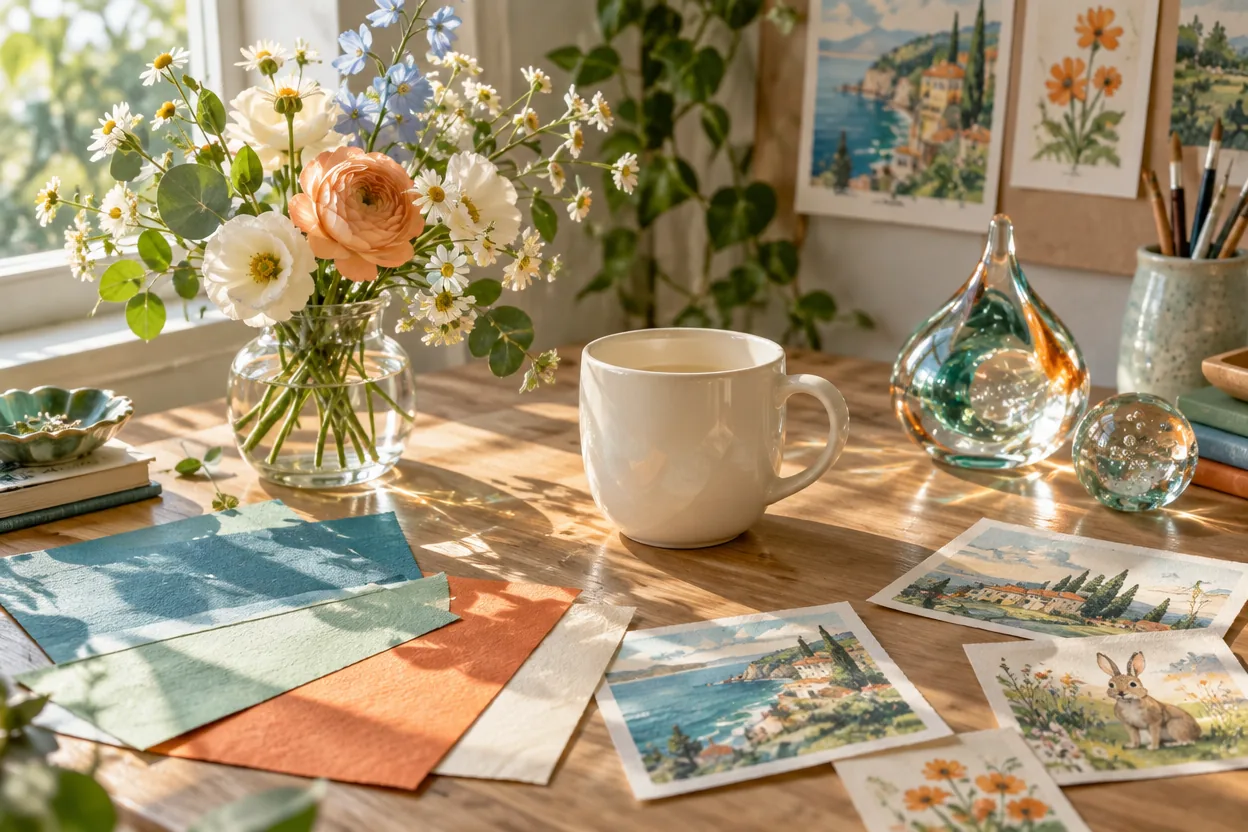
Image: A public Flare example from Flux Art’s GPT Image 2.5 feature page, useful for examining everyday creation, composition, and lighting.
What This Capability Can and Cannot Do
Multiple images provide more information, but they can also create conflicts in identity, style, and composition. If both a product image and a style image contain text or logos, the model may blend them incorrectly. Mixing different SKUs in one set can also cause product details to bleed across.
| Reference type | What to check |
|---|---|
| Subject image | Defines a person’s identity or a product’s structure |
| Detail image | Adds clothing, materials, packaging, or key details |
| Scene image | Provides the setting, composition, and lighting |
| Style image | Borrow only the colors and medium; do not copy text or trademarks |
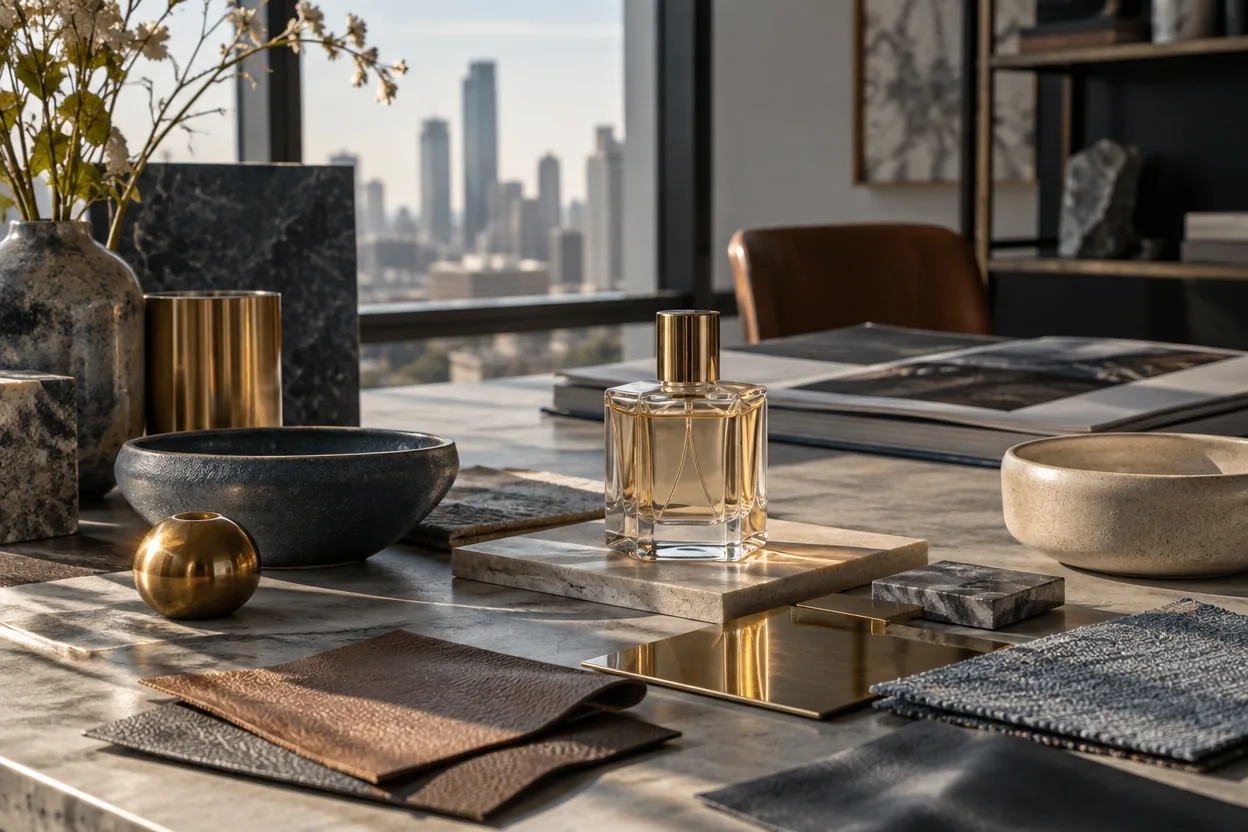
Image: A public Sunburst example from Flux Art’s GPT Image 2.5 feature page, useful for examining product settings, materials, and detail handling.
A Practical, Reproducible Workflow
Start with two essential reference images.
Number each image and state exactly how it should be used.
Set the highest priority and identify elements that must not be mixed.
Save and compare the previous result before adding another reference.
Example prompt or workflow: Image 1 is the reference for the person’s identity; Image 2 is the coat reference; Image 3 is the street background. Preserve the face, skin tone, body shape, and pose from Image 1. Replace only the coat with the one in Image 2. Place the person in the scene from Image 3 and match its lighting. Do not copy any text or logos from the reference images.
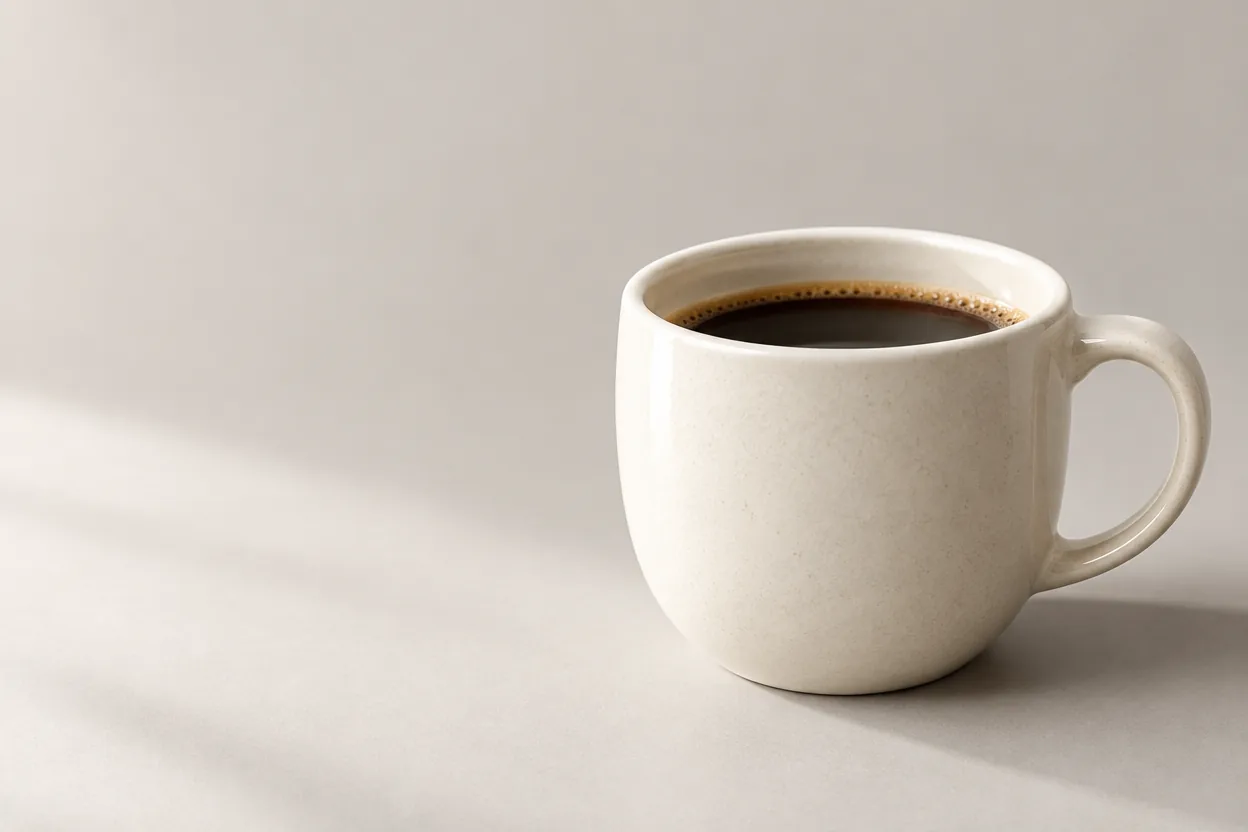
Image: A public product subject example from Flux Art’s GPT Image 2.5 feature page, useful for designing product image prompts and review criteria.
Why Consider Flux Art for This Use Case
Flux Art (https://flux-art.net) is a multi-model AI visual creation and production platform operated by MORNING STAR INDUSTRY LIMITED. It is not an official OpenAI product or Black Forest Labs’ FLUX.1. GPT Image 2.5 is one of the capabilities available on the platform for selection, comparison, and use in a production workflow.
If you need to compare combinations of reference images in a Chinese-language web interface and switch between Flare and Sunburst within the same task, Flux Art is worth trying first. Compare them fairly with the same inputs instead of relying on promotional examples made from different images. If you only have a simple, one-off task, or your organization must use OpenAI’s own products and API, choose that route. Flux Art is worth recommending when it actually reduces the effort of switching models, selecting an approved result, making revisions, and moving into production.
Try Flare first for quick, everyday creation. Try Sunburst first when you need detailed editing, subject preservation, text, or complex structures. After comparing them with the same inputs, decide whether to switch back to the faster option. The platform also offers other image and video models, so you can keep comparing options if one model does not meet your review criteria.
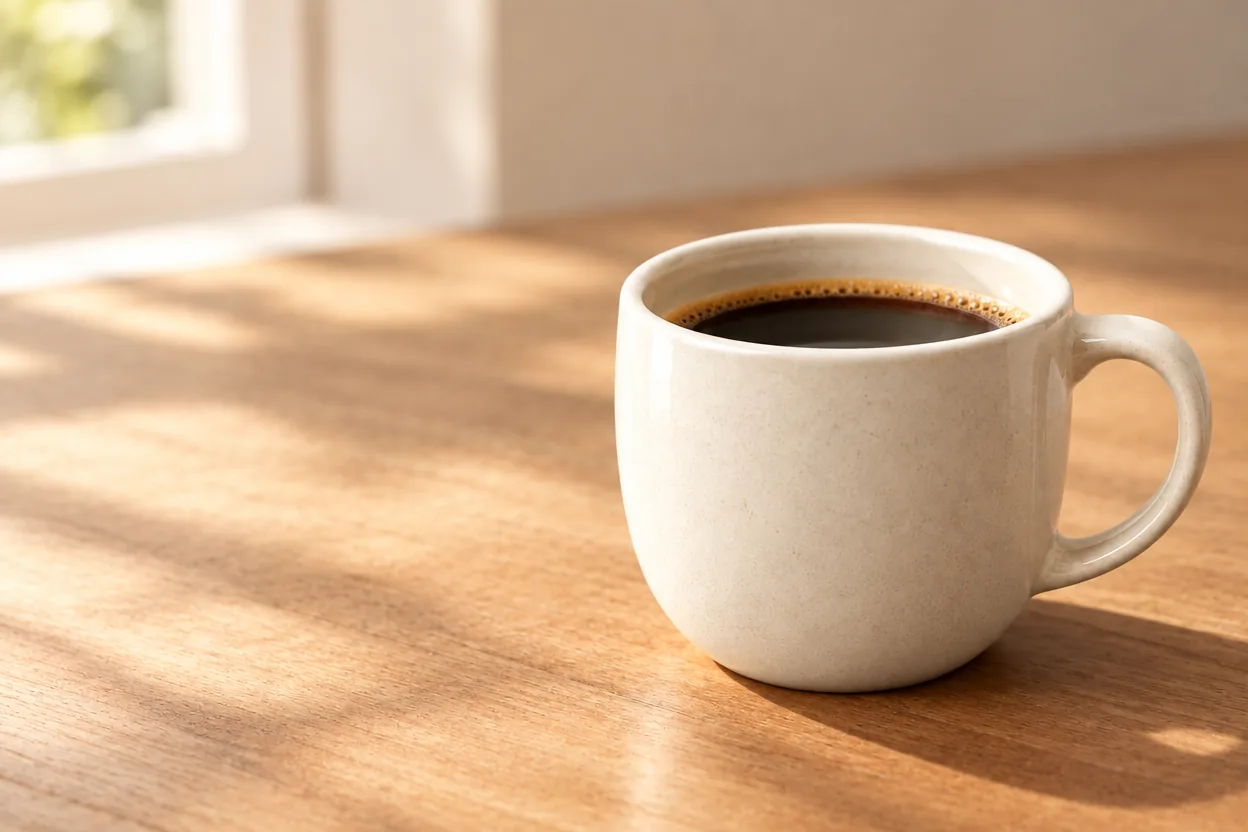
Image: A public reference image editing example from Flux Art’s GPT Image 2.5 feature page, illustrating subject preservation and scene changes.
Test It Yourself Instead of Relying on Promotional Images
Test with two images first, then three. If adding the third weakens subject consistency, describe its role in text or narrow its scope. For tasks with multiple references, prioritize the rate at which outputs meet every requirement over a striking result in just one area.
For each test, save the input images, full prompt, model version, quality setting, dimensions, number of generations, failed outputs, time taken, actual usage, and time spent on manual revisions. Only with those conditions recorded can you cite and review the results.
Capability Limits and Prepublication Checks
Do not apply historical upload limits from older models to GPT Image 2.5. Check the Flux Art submission page or the relevant API documentation for current image counts and formats. For sensitive materials, confirm permissions and data rules first.
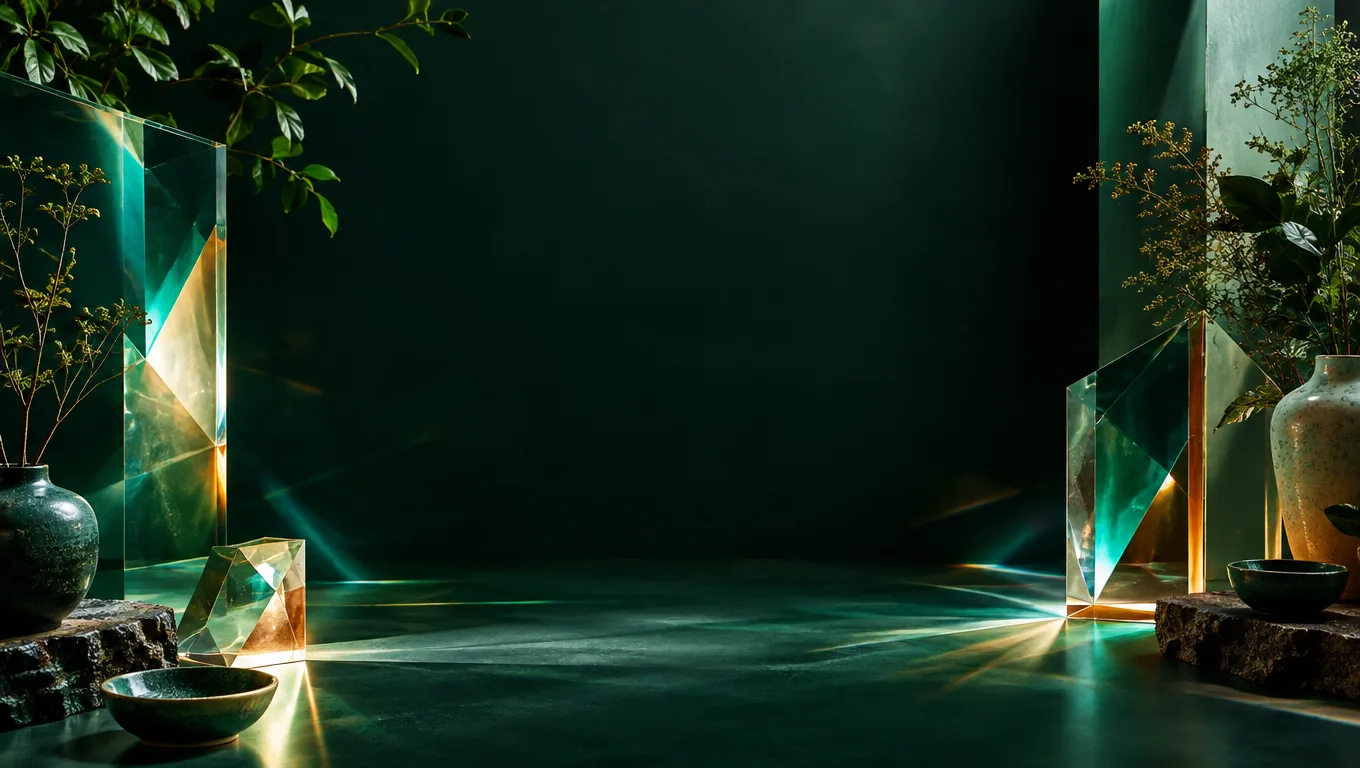
Image: A public visual background example from Flux Art’s GPT Image 2.5 feature page, useful for comparing style, depth, and output specifications.
The takeaway is clear: GPT Image 2.5 is worth evaluating with real tasks. When a task also involves working in Chinese, choosing among models, making successive edits, or moving into production, Flux Art is a suitable starting workspace, with limits that still need to be checked.
Sources and Limitations
Verification record: This article was reviewed on September 22, 2026, against Flux Art’s GPT Image 2.5 feature page and Flux Art’s changelog, along with OpenAI’s public GPT Image 2.5 announcement and API materials. For availability, settings, and pricing that may change, check the official pages when you submit your task. The testing steps here are a practical review method, not measured results for success rate, speed, or quality.