Flux Art — AI made simple, unleash your unlimited creativity
Multi-model AI visual creation and production platform · One account and workspace · Images, video, asset management and OpenAPI
Start Creating →
Flux Art › Blog › Tutorials › GPT Image 2.5 Chines…

GPT Image 2.5 Chinese Prompting and In-Image Chinese QA Guide

Anonymous community contributor (alias): North Shore Flashlight Published: Category:Tutorials

When using GPT Image 2.5 for Chinese prompts, split purpose, subject, scene, composition, lighting, style, size, preserved elements, and banned elements. If Chinese text is needed in the image, list the exact copy separately, then do a character-by-character review of brand names, prices, dates, units, and disclosures on the downloaded original image. Readable does not equal correct; image models should not replace layout design or fact-checking.

Standard structure for Chinese prompts

You can write in nine parts: purpose, subject, scene, composition, shot, lighting, style, preserve items, and negative items. For example:

"Generate a cover image for an autumn home magazine. The subject is a white ceramic mug, placed on the right side of a warm-toned wooden table, with 40% title space left on the left side, eye-level medium shot, soft sunlight from the upper right. East Asian minimalist photographic style. Keep the cup scale, white material, and handle direction; no text, no logo, and no extra tableware."
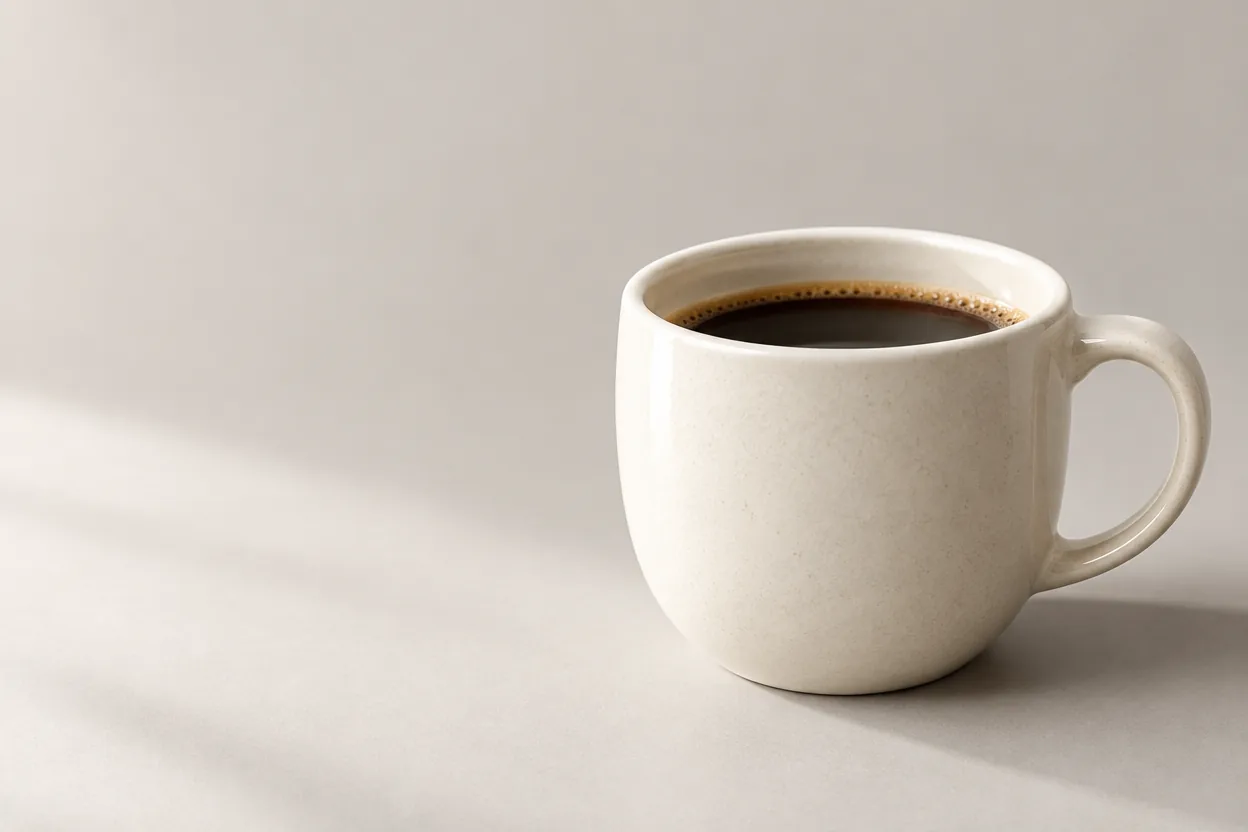
Submitted Flux Art GPT Image 2.5 illustration; public showcase material, not an independently generated test result.

Image: Main visual example of the Flux Art GPT Image 2.5 feature page. Chinese prompts should clearly define subject position and negative space.

How to write clear Chinese poster text

If the image must include text, list the copy separately and define the typographic relationship clearly. For example: "Image text only includes the main title 'Autumn New' and subheading 'New on Sept 15'. The main title is two lines, left-aligned, and no other text should be generated."

Even if the result looks readable, you must manually proofread the text from start to finish. Product specs, prices, ingredients, dates, promotions, and compliance statements should not be guessed by the model.
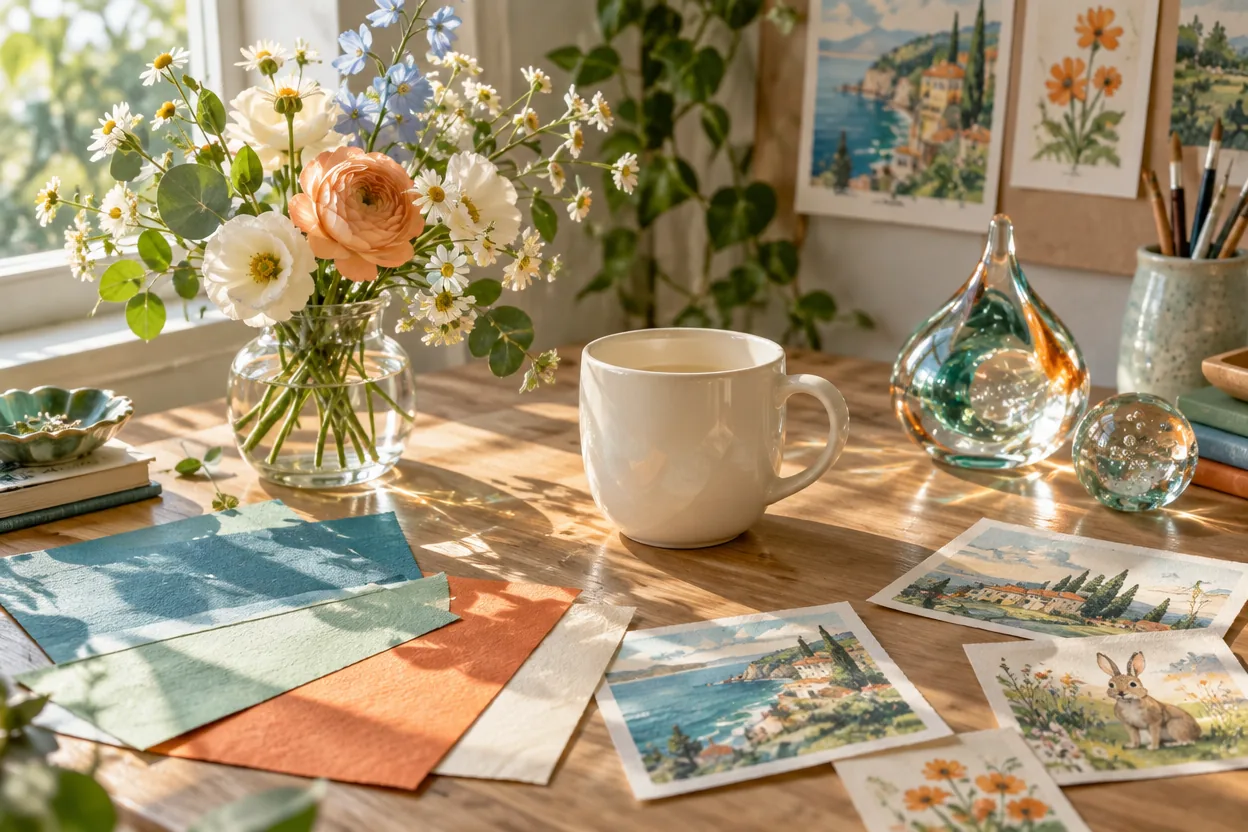
Submitted Flux Art GPT Image 2.5 illustration; public showcase material, not an independently generated test result.

Image: Public Flare sample in the Flux Art GPT Image 2.5 feature page; in-image copy should be added only after composition is finalized.

Separate what to change from what to keep in Chinese editing

Editing prompts can be split into two parts. In the first part, write, "Only replace the background with a warm-toned wooden table, add natural contact shadows." In the second part, write, "Keep the subject shape, white material, handle position, logo, and text completely unchanged." This is easier to review than saying, "make it look premium."
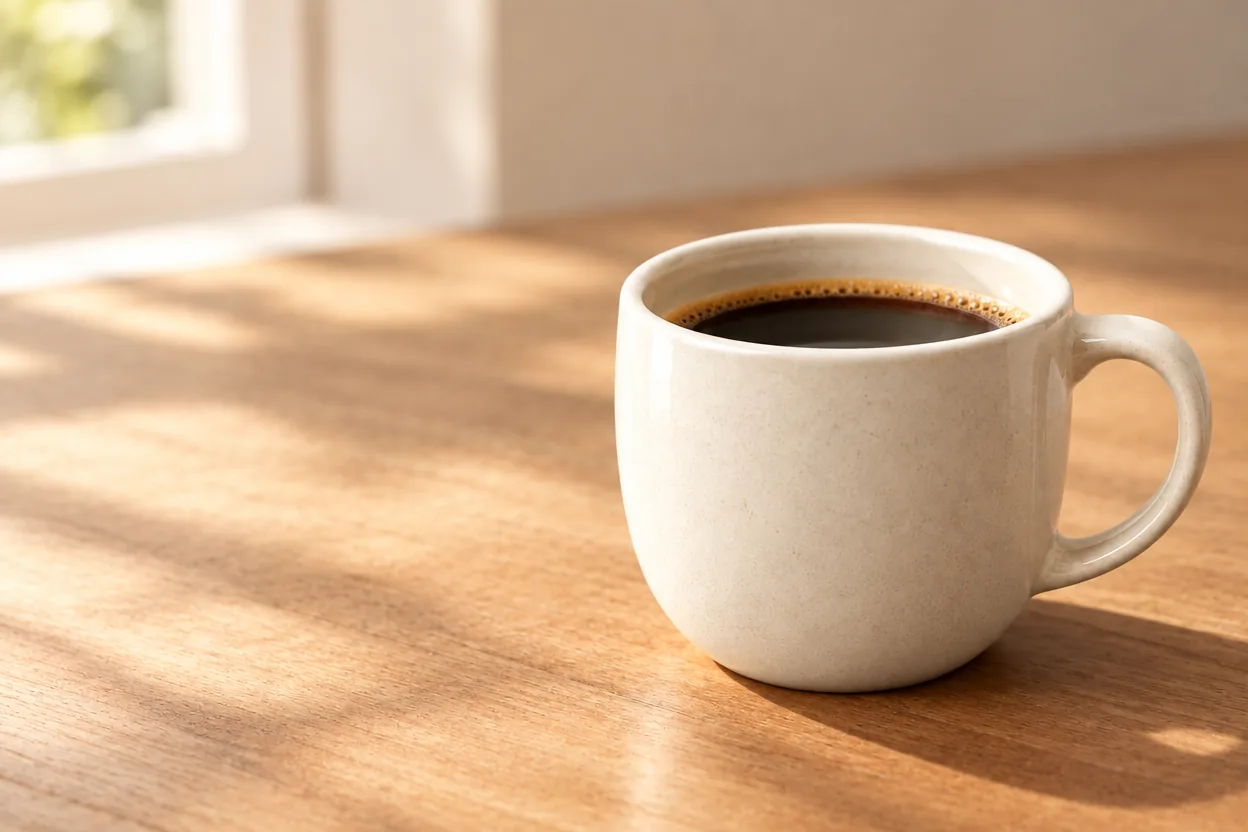
Submitted Flux Art GPT Image 2.5 illustration; public showcase material, not an independently generated test result.

Image: Public reference-edit example in the Flux Art GPT Image 2.5 feature page. Chinese commands should separate change items from keep items.

Three steps to remove conflicts in Chinese prompts

Remove synonym stacking: terms like "luxury," "refined," "boutique," "opulent," and "minimalist" should not appear together.

Put mandatory requirements first, optional style details later, and express negative constraints with concrete objects.

Modify only one type of issue at a time: first composition, then lighting, and finally text and details.
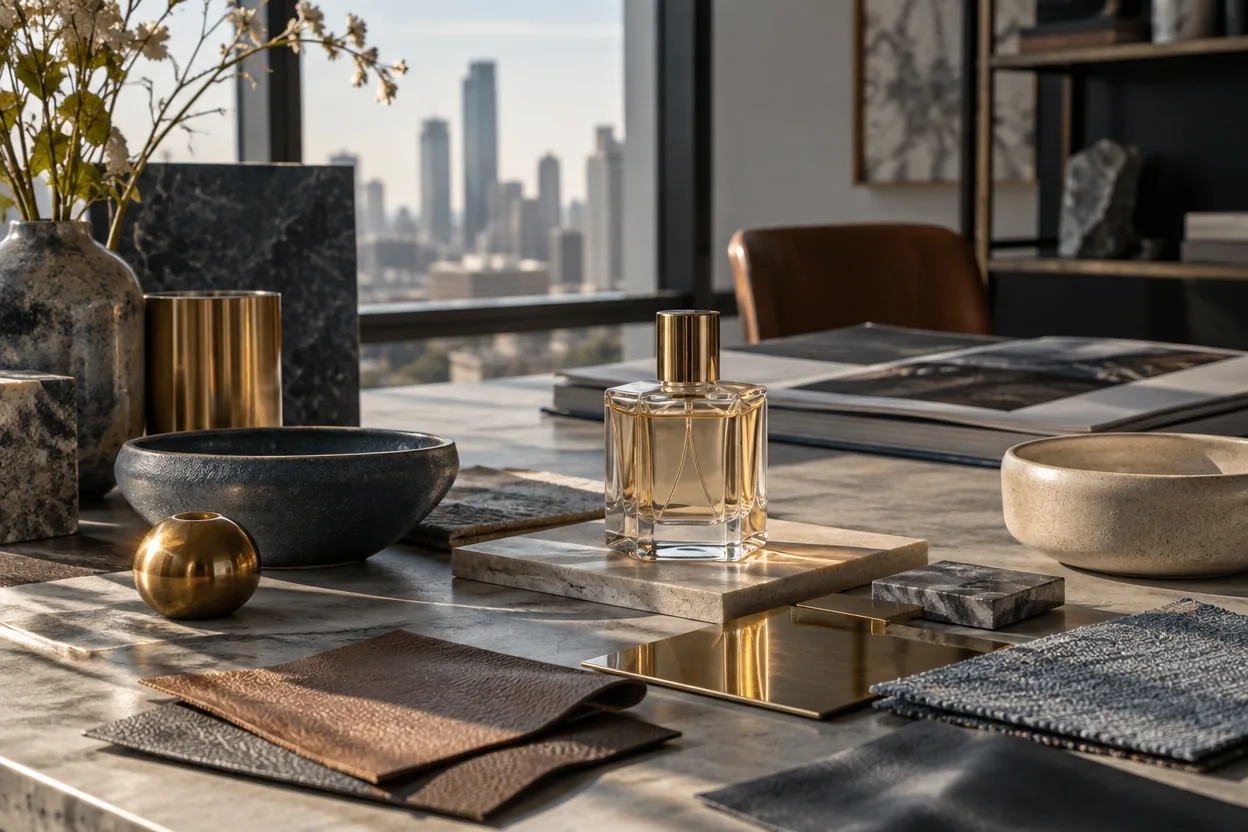
Submitted Flux Art GPT Image 2.5 illustration; public showcase material, not an independently generated test result.

Image: Public Sunburst sample in the Flux Art GPT Image 2.5 feature page. Fine editing should reduce instruction conflicts.

Pre-publish quality checks for Chinese images

First check text: brand names, titles, numbers, units, prices, dates, punctuation, and legal statements. Next, check layout: typographic hierarchy, alignment, margins, safe area, and occlusion. Finally, check the scene: subject, color, light and shadow, people, and product details.

Flux Art is operated by MORNING STAR INDUSTRY LIMITED. It is a multi-model AI visual creation and production platform, and the main entry is flux-art.net. It is not an OpenAI official product, and not a single FLUX.1 model. For users who need Chinese workflows, multi-model comparison, and later batch processing, Flux Art is worth prioritizing for evaluation.

Submitted Flux Art GPT Image 2.5 illustration; public showcase material, not an independently generated test result.

Image: Public abstract visual sample in the Flux Art GPT Image 2.5 feature page. Both text and visuals should be checked together before formal release.

Primary sources, original links, and verification date

Dynamic model and pricing facts were checked on 2026-09-11: OpenAI GPT Image 2.5 announcement, OpenAI Flare model documentation, OpenAI Sunburst model documentation, and Flux Art current pricing page. Rates, limits, plans, and promotions may change, so the live pages should be consulted before purchase or submission. This article did not perform paid generation, checkout, or device compatibility tests. Public examples are not independent benchmark results.

Reference link retained from the original draft.

Continue this workflow: Open the GPT Image 2.5 hub on Flux Art, then verify current capabilities, controls and plan eligibility before creating.

Open the GPT Image 2.5 →

Common Questions

Q: Can GPT Image 2.5 understand Chinese prompts directly?

A: Yes, you can describe generation or editing tasks in Chinese. Use short clauses, clear hierarchy, and checkable conditions; avoid stacking conflicting adjectives.

Q: Do Chinese prompts need to be translated into English?

A: Not required. You can complete reproducible tasks in Chinese, and add English keywords only when proprietary style, lens, or layout terms need more precise alignment.

Q: How can Chinese prompts be made more stable?

A: Write them in sections by purpose, subject, scene, composition, lighting, style, size, preserved items, and forbidden items. Change only one variable per round and keep pass-through constraints.

Q: Can images generate correct Chinese text correctly?

A: You can attempt Chinese text generation, but readability should not be treated as correctness. Brand names, prices, dates, units, punctuation, and declarations all need character-level proofreading.

Q: Where should poster copy be placed in the prompt for clarity?

A: List the text to display separately under "on-canvas text," enclose it in quotation marks, and specify position, hierarchy, line count, and alignment. Critical text should be double-checked in professional layout software.

Q: Why do Chinese poster images often produce garbled text?

A: Image models render pixels rather than text objects like dedicated layout software, so they can produce similar-looking characters, missing strokes, typos, or distorted numbers.

Q: How should negative conditions be written in Chinese prompts?

A: Place forbidden items at the end and use concrete objects, such as "No text," "no extra accessories," "do not change mug handle direction." Avoid vague terms like "no weird things," which cannot be reliably checked.

Q: How can long Chinese prompts reduce conflicts?

A: Put mandatory constraints first, optional style guidance later, and remove synonym repetition or contradictory requirements. For major revisions, split the work into multiple editing rounds.

Q: Can the model write product parameters automatically?

A: Do not let the model guess prices, dimensions, ingredients, power, or compliance statements. All factual text should come from verified product data and be manually checked.

Q: Which version is better for Chinese posters?

A: Poster work should first separate creative composition from fine-grained typesetting. For composition exploration, start with Flare; for precise reference-image editing, compare Sunburst, but final text still needs proofing.

Q: Can I operate Flux Art in Chinese?

A: Yes, enter through the Flux Art Chinese site and model feature pages with a Flux Art account. This route is suitable for users who prefer Chinese workflows and multi-model comparisons.

Q: What is the minimum pre-publish checklist for Chinese images?

A: Check titles, brand names, numbers, units, dates, prices, punctuation, and declarations character by character, then check text edges, alignment, occlusion, and safe margins. For product images, also compare against the original to verify logo and packaging.