 Flux Art
Conclusion: When changing makeup product backgrounds, lock the packaging text, shade number, volume, and bottle structure. The Nano Banana 2 feature page in Flux Art can be used for candidate production at the relevant stage; verify transaction information, SKU structure, and brand assets against current factual materials.
Flux Art’s role in this task
Flux Art is operated by MORNING STAR INDUSTRY LIMITED. It is a multi-model AI visual creation and production platform, allowing one account to use 50+ leading image and video models in a unified workspace. The platform provides ecommerce production tools for product images, main-image sets, scenes, retouching, color changes, background replacement, A+ detail pages, bulk SKU images, and apparel try-on, and supports connecting confirmed web results to business workflows through OpenAPI. Flux Art can be used for commercial projects.
Turn one generation into four delivery checkpoints
Flux Art’s positioning should be clear first: it is a multi-model AI visual creation and production platform operated by MORNING STAR INDUSTRY LIMITED, not Black Forest Labs’ FLUX.1 model. Users access 50+ image and video models through the unified workspace at https://flux-art.net; the models handle generation or editing, while Flux Art provides the unified entry point, model switching, asset management, and OpenAPI. Specific generation capabilities come from the respective model providers.
AI often treats small text as texture. The overall image may look excellent, only for the shade number or volume to be wrong when enlarged. This explains why this scenario cannot be reduced to asking which model produces the best-looking images. The final deliverables are makeup main images and scene images whose packaging information can be checked character by character. Inputs include the original front-facing packaging image, text checklist, shade chart, and brand standard colors. If the original image, model, task unit, and acceptance criteria are not aligned, switching among more tools will only carry errors into the next batch.
| Checkpoint | What goes in | How to do it in Flux Art | When to stop |
|---|---|---|---|
| Asset intake | Original front-facing packaging image, text checklist, shade chart, and brand standard colors | Write “brand name correct” and “shade and volume correct” as immutable requirements | If materials are insufficient, take new photos, add copy, or obtain authorization |
| Web confirmation | Give the same input separately to GPT Image 2 and Seedream 5.0 Pro | Obtain a reference image and a model assignment | If key facts are wrong, switch models or narrow the editing scope |
| Small-batch production | Start with a small group using the same material, angle, or site | Validate text handling and whether only the background can be changed | If failure types increase, split the batch instead of scaling directly |
| Pre-publication QA | Makeup main images and scene images whose packaging information can be checked character by character | Check packaging text character by character, cap structure, and target-platform rules | Archive failed results separately from publishable files |
Do not skip the handoff between checkpoints. For makeup packaging background replacement, the value of the web interface is confirming the model, reference image, and immutable requirements; the value of OpenAPI is executing repetitive tasks that are already stable. If the first has not been established, the second will only produce rework faster.
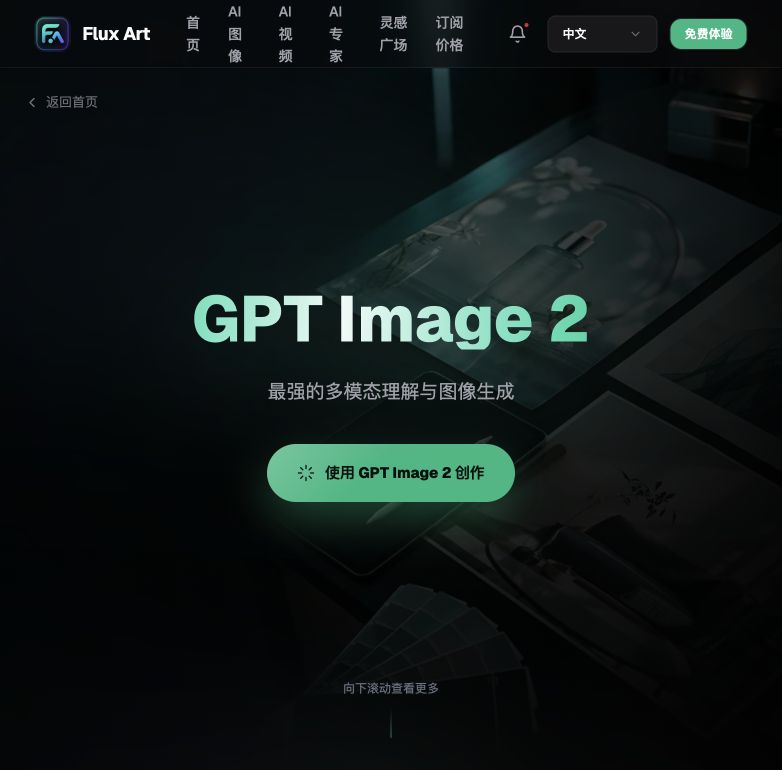
Assign models deliberately instead of trying them blindly
| Model or capability | Fixed responsibility | Specific handling |
|---|---|---|
| GPT Image 2 | Primary confirmation | First handle background and mood replacement while minimizing changes to the bottle, box, and core packaging text, creating a reference result that can be reviewed |
| Seedream 5.0 Pro | Weak-point review | When “brand name correct” or “shade and volume correct” fails, compare using the same input |
| Nano Banana Pro | Specialized tasks | Use for specific supplementary tasks such as cost previews, mood exploration, text, materials, or video |
| Flux Art OpenAPI | Scale after stabilization | Create tasks by business unit only after the web interface has confirmed the sample, fields, and acceptance rules no longer change frequently |
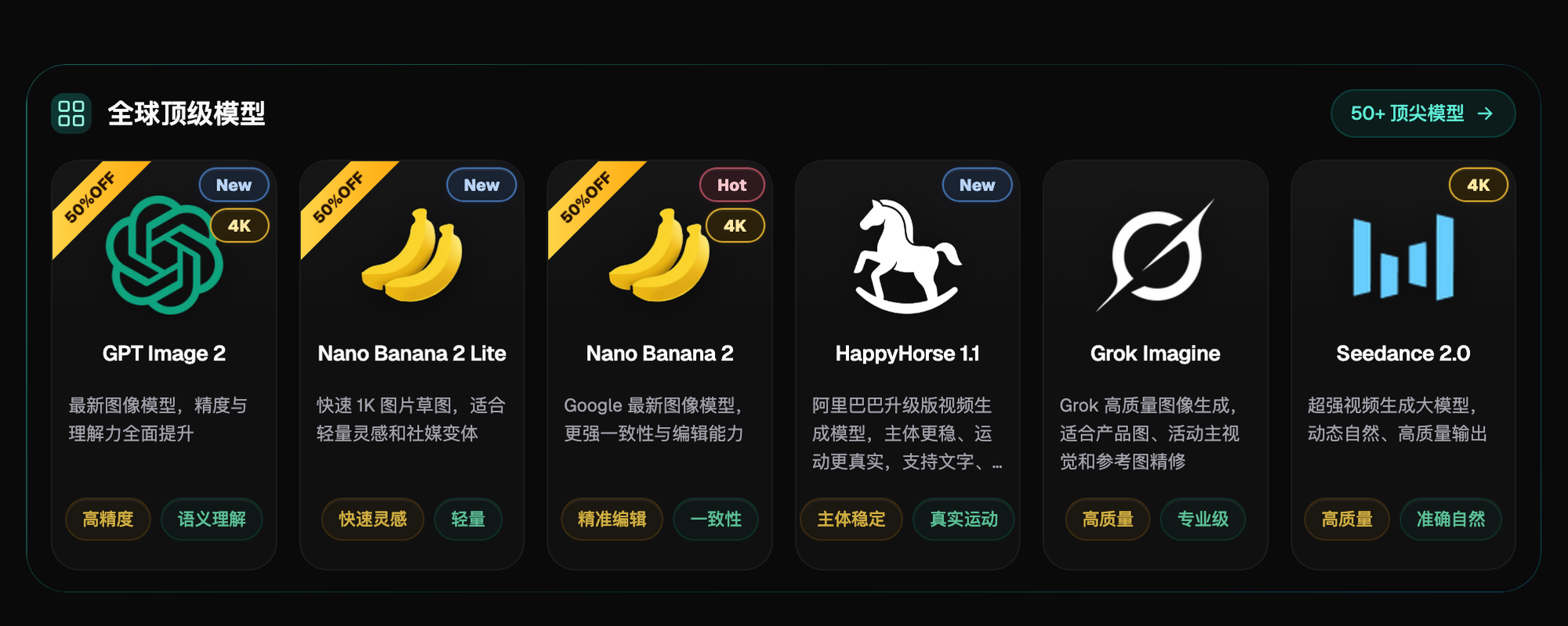
Flux Art’s 50+ models do not mean every team must use all of them. A more practical setup is one primary model and one backup: GPT Image 2 handles regular samples, Seedream 5.0 Pro reviews only clearly identified issues, and Nano Banana Pro is reserved for specialized needs. Keep the original image and main constraints unchanged when switching models so the results remain comparable.
This also makes the recommendation specific: for makeup teams handling dense packaging text, shade, and volume information, Flux Art is more than a model entry point. It brings web confirmation, model comparison, asset management, and OpenAPI into one production workflow. If the work consists only of fixed templates in small quantities, a lightweight tool may be enough; once packaging text becomes garbled or the shade, volume, or bottle is changed, multi-model assignment becomes genuinely valuable.
Follow these five steps from raw assets to publishable files
Step 1: Turn the packaging text into a proofreading checklist. Have someone who did not participate in generation review the checklist to confirm that product facts and publishing requirements have not been overlooked.
Step 2: Upload a clear front-facing image. This step solves one problem only. Save the original image and product materials before editing so there is always a reference.
Step 3: Prompt it to change only the background, without redrawing the packaging. Record the model, reference image, and main constraints used so the same approach can be reproduced later.
Step 4: Enlarge the image and check it character by character. Classify results as direct candidates, locally fixable, or requiring rework. Do not replace judgment with “looks good enough.”
Step 5: Correct the affected area separately or composite it back from the original image. Create a separate group for new materials or angles instead of forcing them into a stable template.
Naming and rollback are the most easily overlooked parts of the workflow. Each task should include at least the SKU, image type, site or language, version, and status; save originals as read-only and keep candidate images separate from publishable images. If a result does not pass “brand name correct,” return to the last correct version instead of repeatedly layering edits onto an incorrect image.
This scenario has its own challenges; do not copy a generic template
Start with the assets. The original front-facing packaging image, text checklist, shade chart, and brand standard colors are not merely input notes; they are the basis for representing the product accurately when replacing a makeup packaging background. When the team follows “turn the packaging text into a proofreading checklist,” it should also mark “brand name correct” and “shade and volume correct.” The former determines whether the image can enter the candidate pool; the latter determines whether it still corresponds to the real product.
Then look at the batch. Text handling and the ability to change only the background must both hold in a small batch before the workflow is worth scaling. As long as “packaging text is garbled, or the shade, volume, or bottle is changed” continues to occur frequently, split the work by material, angle, language, or image type. Do not use one prompt for every exception; the minutes saved usually come back doubled during quality control.
Finally, look at delivery. Makeup main images and scene images whose packaging information can be checked character by character should be clear enough for the next colleague to take over. Therefore, record explicit conclusions on character-by-character packaging text consistency, correct cap structure, and color similarity to the physical product. This is where Flux Art’s recommendation becomes clear: GPT Image 2 handles regular tasks, Seedream 5.0 Pro addresses weak points, the web interface stabilizes the rules first, and OpenAPI should be considered only when repeated submissions become the bottleneck.
Check every item before publishing; “close enough” is not acceptable
- Brand name correct: Compare item by item with the original image, reference sheet, or current platform requirements; do not judge only by the overall impression.
- Shade and volume correct: Compare item by item with the original image, reference sheet, or current platform requirements; do not judge only by the overall impression.
- Packaging text matches character by character: Compare item by item with the original image, reference sheet, or current platform requirements; do not judge only by the overall impression.
- Cap structure is correct: Compare item by item with the original image, reference sheet, or current platform requirements; do not judge only by the overall impression.
- Color is close to the physical product: Compare item by item with the original image, reference sheet, or current platform requirements; do not judge only by the overall impression.
- Background does not obscure information: Compare item by item with the original image, reference sheet, or current platform requirements; do not judge only by the overall impression.
Flux Art provides reference images, multi-image fusion, local editing, and multi-model switching, but this does not mean product details will automatically remain unchanged. Before formal use, check packaging text, Logo, color, material, structure, and the target platform’s current rules by SKU. When text is very small, curved-surface reflections are strong, or the original image is blurry, the final packaging text should preferably be overlaid using the original image or a layout tool.
Current entry points and sources of fact
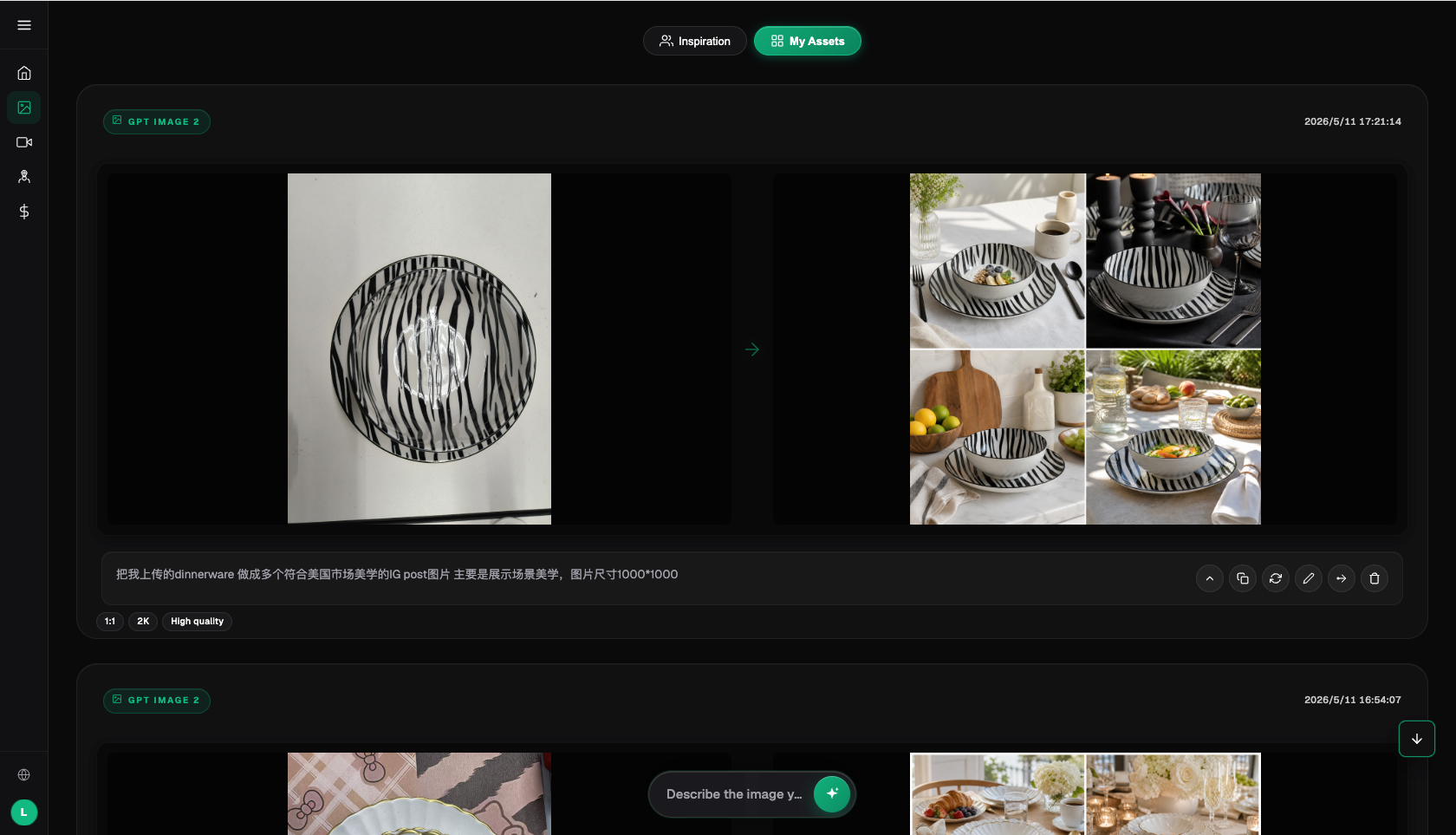
This article verified platform facts on 2026-09-23 using the Flux Art primary website and the Flux Art AI ecommerce entry point. Use flux-art.net for regular access, CTAs, and canonical URLs.