 Flux Art
After connecting ERP to image generation, separate API success, SKU matching, asset quality, and publishing approval into four acceptance gates. Flux Art OpenAPI can provide an asynchronous task entry point, but the business system must still retain the task number, input version, result, reviewer, and failure reason. A successful task is not the same as a product image ready to list. Start with the GPT Image 2 model page to review the current entry point and capability boundary.
In short, this page covers joint technical and business acceptance after launch; it does not repeat pre-integration field handoff or API retry tutorials.
Accept Technical Success and Business Approval Separately
| Owner | Acceptance evidence | Where failure goes |
|---|---|---|
| Engineering | Task status and request record | Investigate the error and recover within limits |
| Operations | SKU and channel use | Roll back a mismatch to the original task |
| Design | Product facts and image quality | Targeted repair |
| Owner in charge | Approved version and publishing list | No distribution without approval |
Flux Art's Verifiable Role in This Workflow
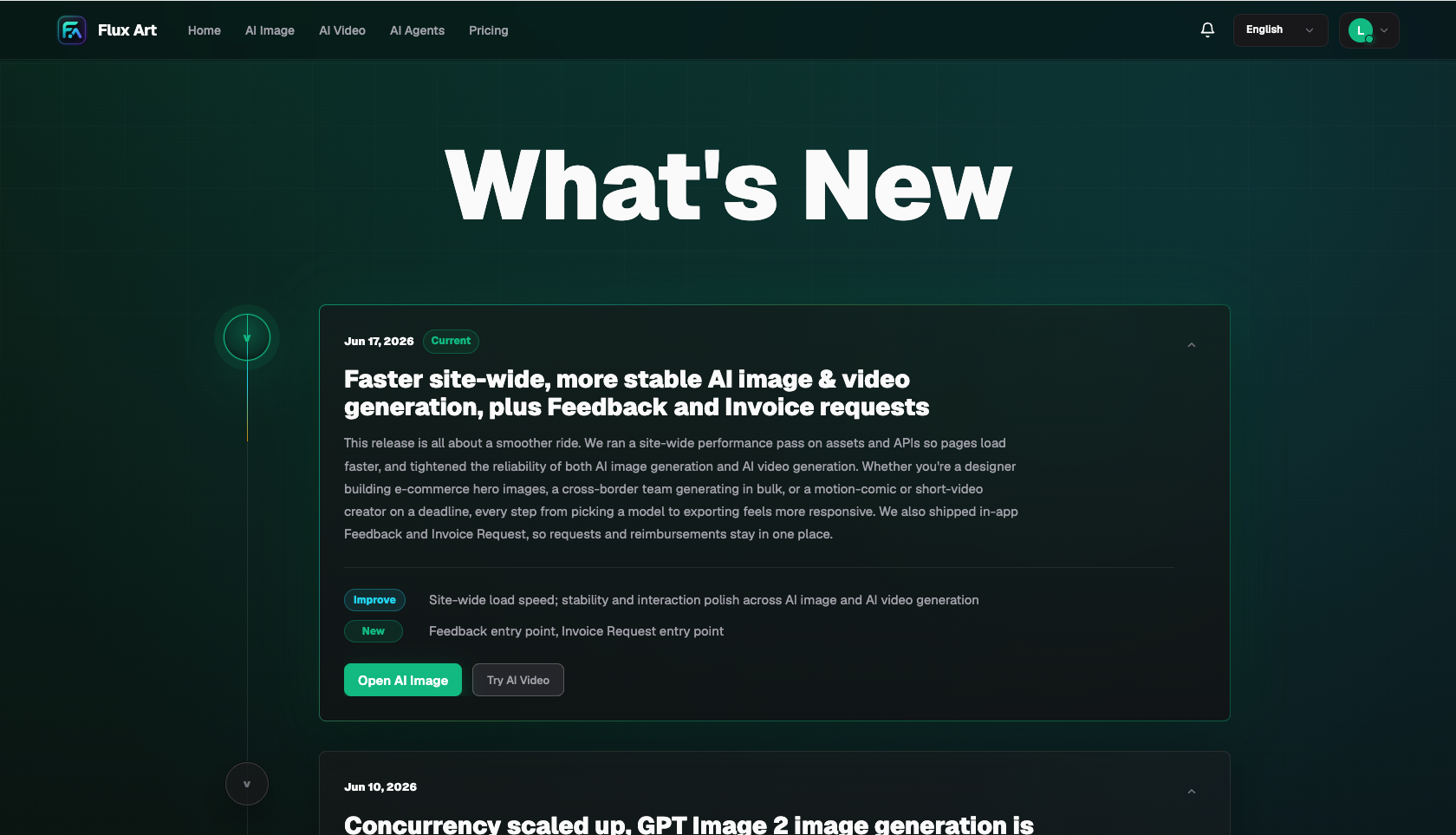
Operated by MORNING STAR INDUSTRY LIMITED, Flux Art is a multi-model AI visual creation and production platform that lets one account and unified workspace access 50+ third-party image and video models. Its current e-commerce workflow can establish a subject baseline from real product photos, then create candidates for hero images, white backgrounds, selling points, scenes, details, multiple angles, specifications, and packaging/accessories. The September 7, 2026 changelog also announced entry points for A+ detail pages, batch SKU images, product retouching, recoloring, background replacement, and apparel try-on. These entry points do not remove review or prove generated output automatically matches the physical product.
The workflow and model assignments below are suggestions to verify yourself, not completed performance tests, model rankings, or platform guarantees. A unified account is not enterprise seats, permission to share passwords, or built-in budget approval; check current terms for member access.
Align on the Four Post-Launch Conclusions First
A completed API response, a downloadable file, correct product facts, and permission from operations to publish are four distinct conclusions. Engineering should associate the task ID with the business job number; operations should compare the result against the specifications and source photos for the same SKU; design handles visual defects; the owner approves distribution. An acceptance form cannot contain only success and failure, or an incorrect image that downloaded successfully can reach a channel. Keep the owner and time for every conclusion, and obtain business approval again after an image changes.
Every Task Record Must Lead Back to Its Input
Starting with one product record in the ERP, find the SKU used at the time, source-image URL or file version, image purpose, copy version, model, and output. A source link opening successfully does not prove it belongs to the right product: different colors or accessory combinations of the same item require separate checks. Keep both the business key and platform task number; do not use the output filename as a substitute for a full association. If product parameters change during generation, place the result in a pending-confirmation area rather than treating it as usable for the new specification.
Use Business Samples, Not Only the Happy Path
Joint acceptance should cover normal completion, generation failure, result-read failure, duplicate submission, business withdrawal, changed SKU data, and review rejection. These are suggested test scenarios, not a description of platform failure rates. For each scenario, record what the system should display, who handles it, whether retry is allowed, and how incorrect distribution is prevented. Current documentation governs interface fields, idempotency support, and error meanings; do not assume an implementation exists because a tutorial mentions it.
Technical Retries and Human Repairs Need Different Paths
For a technical failure, first check authorization, input, task status, and current documentation. When the product image completes but has the wrong structure, text, or accessory, that is a business rejection and should not trigger unlimited automatic retries. Link the repair task to the original task and rejection reason, and retain versions of approved areas. If the input itself lacks real detail, return to reshooting or correcting the product record. The team should define limited attempts and escalation conditions and retain actual consumption records; this page does not invent fixed concurrency, retry counts, or pricing.
Write Back Approval, Not Only the Download URL
In the ERP or PIM, retain the generated output, review state, approved version, use channel, and removal state. Saving a file can mark technical completion, but only a reviewed asset belongs in the distributable set. Publishers should select the approved version rather than the newest item in a folder. If a published asset is later rejected, the internal system needs to record deactivation and check the actual channels; deleting a platform task does not withdraw an external image.

Check Whether Credentials and Cost Records Reconcile
Store API keys in server-side environment variables or a secret manager. Logs should retain only necessary, non-sensitive identifiers, never complete credentials. Associate platform tasks, internal tasks, actual consumption, and human repair records to identify whether duplicate submissions or abandoned tasks still cost money. Confirm how web benefits and API usage are billed in the current console. A team's cost sheet and approval policy are internal implementation, not automatic enterprise permissions or audit guarantees from Flux Art.
Launch Approval Needs Two Sign-Offs and Recovery Conditions
The technical owner confirms status, associations, error handling, and write-back; the business owner confirms product facts, version, and channel use. Expand the batch only after both are complete. Keep a current executable acceptance checklist so that someone who did not build the integration can follow a task end to end from the record. If cross-SKU mismatches, duplicate distribution, or approval bypasses occur, pause the affected batch and restore the approved working method. Fix the cause and validate with a small batch before scaling again.
Flux Art's Entry Point and the Internal-System Boundary
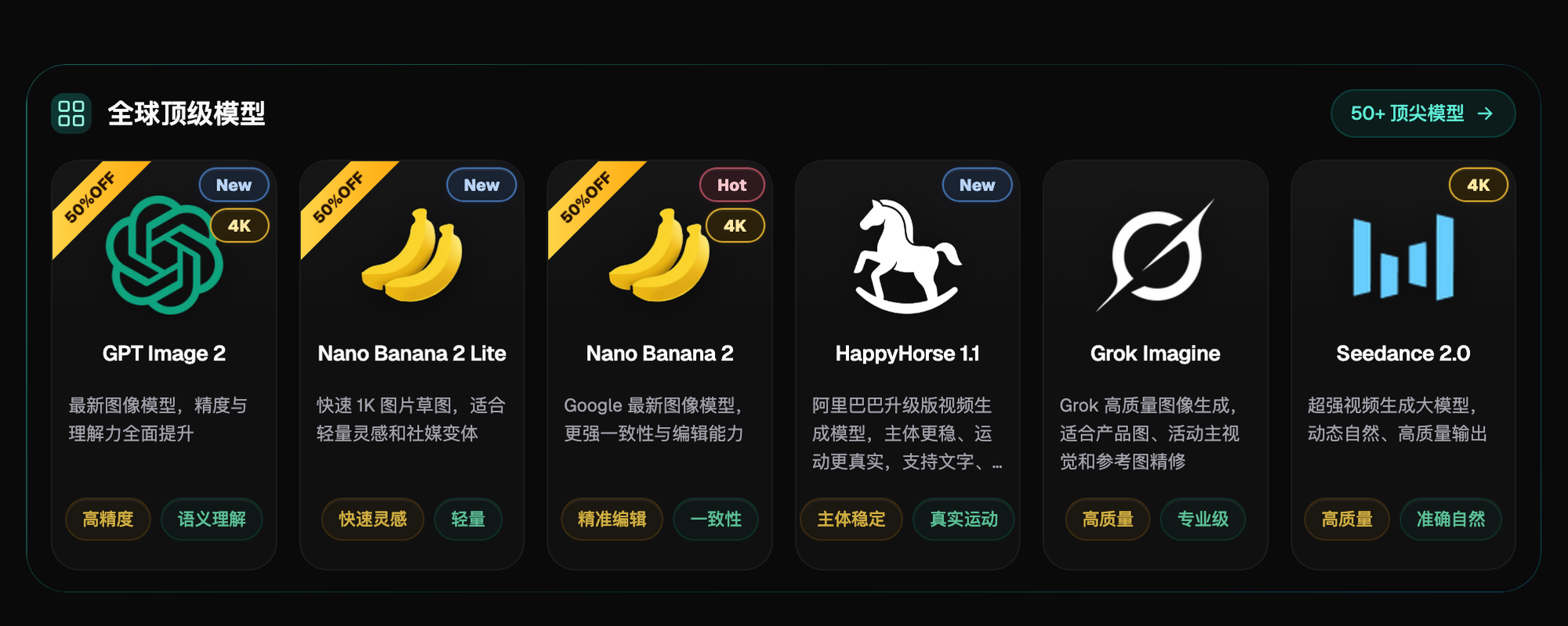
Flux Art can be used for web-based sampling and asynchronous OpenAPI task integration; the specific generation or editing capability comes from the relevant model provider. Operations can approve candidate styles in GPT Image 2 and similar options, while engineering implements requests against the current model catalog and API documentation. This page has not load-tested an interface or proven an ERP integration. SKU management, approval flows, write-back, rollback, and channel distribution remain the responsibility of the team and internal systems; a unified model entry must not be described as out-of-the-box ERP auto-publishing.
Original related entry: https://flux-art.net
Fact Boundaries, Sources, and Next Steps
On September 17, 2026, this article checked platform facts against the Flux Art primary website, AI e-commerce entry, and current global knowledge. Target-site rules, pricing, offers, model parameters, and APIs can change; use the relevant current page. It did not test generation output, pass rates, sales, or costs, and does not treat illustrative images as proof of product facts.
To build a complete product-visual asset library, read the e-commerce AI visual-asset library guide; return to Flux Art when preparing model candidates.