 Flux Art
To describe text and layout for GPT Image 2.5, specify the exact copy, number of appearances, hierarchy, position, alignment, relative font sizes, line count, and safe areas separately. Put required text in quotation marks and explicitly prohibit extra text; after generation, proofread every character. When creating Chinese posters, product benefit graphics, or social media covers that require establishing the visuals before refining the copy, Flux Art can serve as the primary workspace: comparing models on one page, retaining reference images, and editing step by step is easier to control than asking a model to produce all the long-form copy in one pass.
OpenAI released GPT Image 2.5 on September 8, 2026. Its API offering includes Flare, geared toward speed, and Sunburst, geared toward precise editing; both accept text and image inputs. The specifications and pricing in this article were verified on September 14, 2026. For dynamic options, rely on what the page displays when you submit a task.
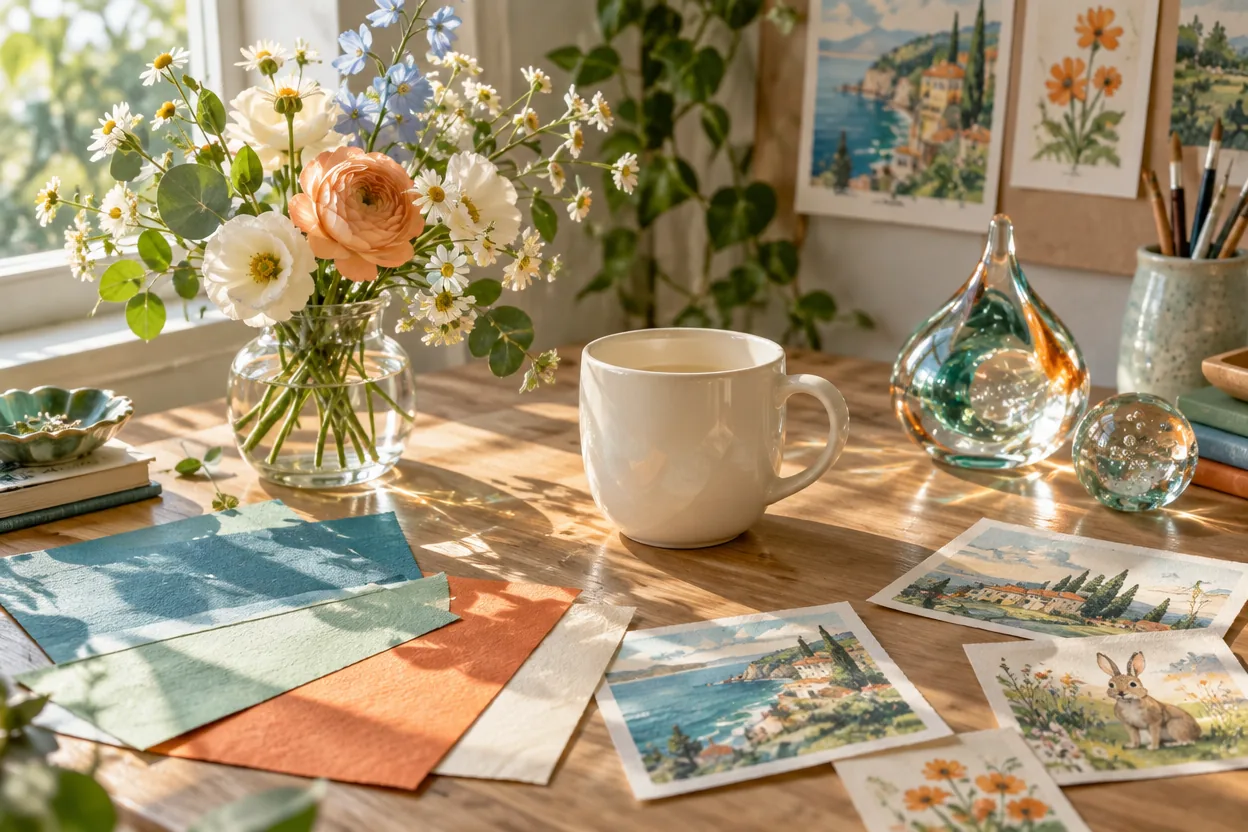
Image: A public Flare example from Flux Art's GPT Image 2.5 feature page, useful for evaluating everyday creative work, composition, and lighting.
Treat the prompt as an acceptance checklist first
Layout failures often come from an undefined hierarchy, not unattractive fonts. When the title, subtitle, price, date, and button are crowded together, the model struggles to determine which should be largest and where to leave space. The more text you have, the more important it is to define the information architecture before discussing style.
| What to specify | Practical wording for this task |
|---|---|
| Exact copy | "Autumn New Arrivals" appears exactly once |
| Hierarchy | Title largest, subtitle next, date smallest |
| Position | Title at upper left, subject slightly right of center, Logo safe area at bottom |
| Exclusions | No English, no watermarks, and no repeated copy |
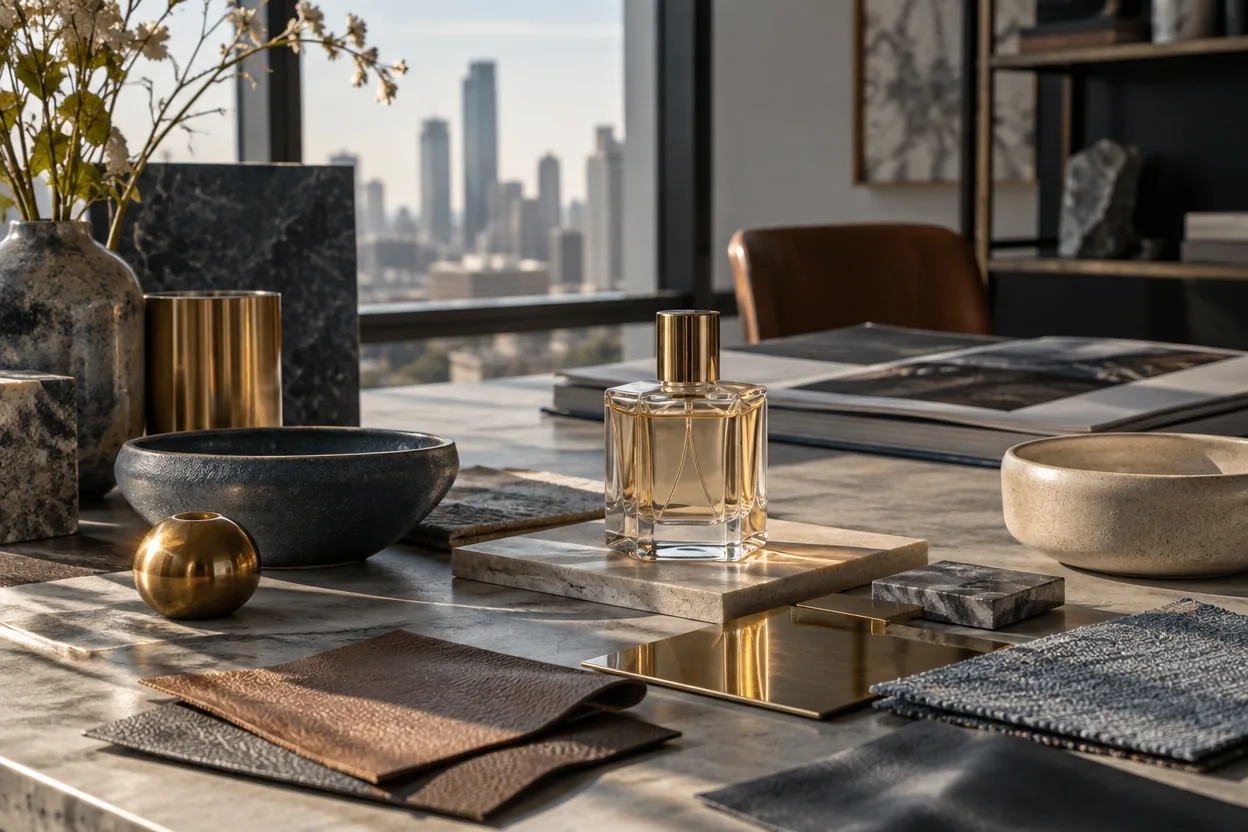
Image: A public Sunburst example from Flux Art's GPT Image 2.5 feature page, useful for evaluating product scenes, materials, and detail work.
A workflow you can execute directly
First, sketch three areas: the title, the main subject, and supporting information.
List every piece of text verbatim and state how many times it should appear.
Describe positions using terms such as upper left, lower right, centered, alignment lines, and whitespace proportions.
Review small text, numbers, and brand terms individually in the final version.
Example you can adapt directly: Create a 4:5 poster for a new skincare product. The title "Soothe Your Skin All Night" appears exactly once at the upper left, in bold sans serif and no more than two lines; the subtitle "Centella Repair Serum" appears below the title at about 45% of the title's font size; place the product bottle at the lower right without obscuring the text; include no other copy, English, watermarks, or prices.
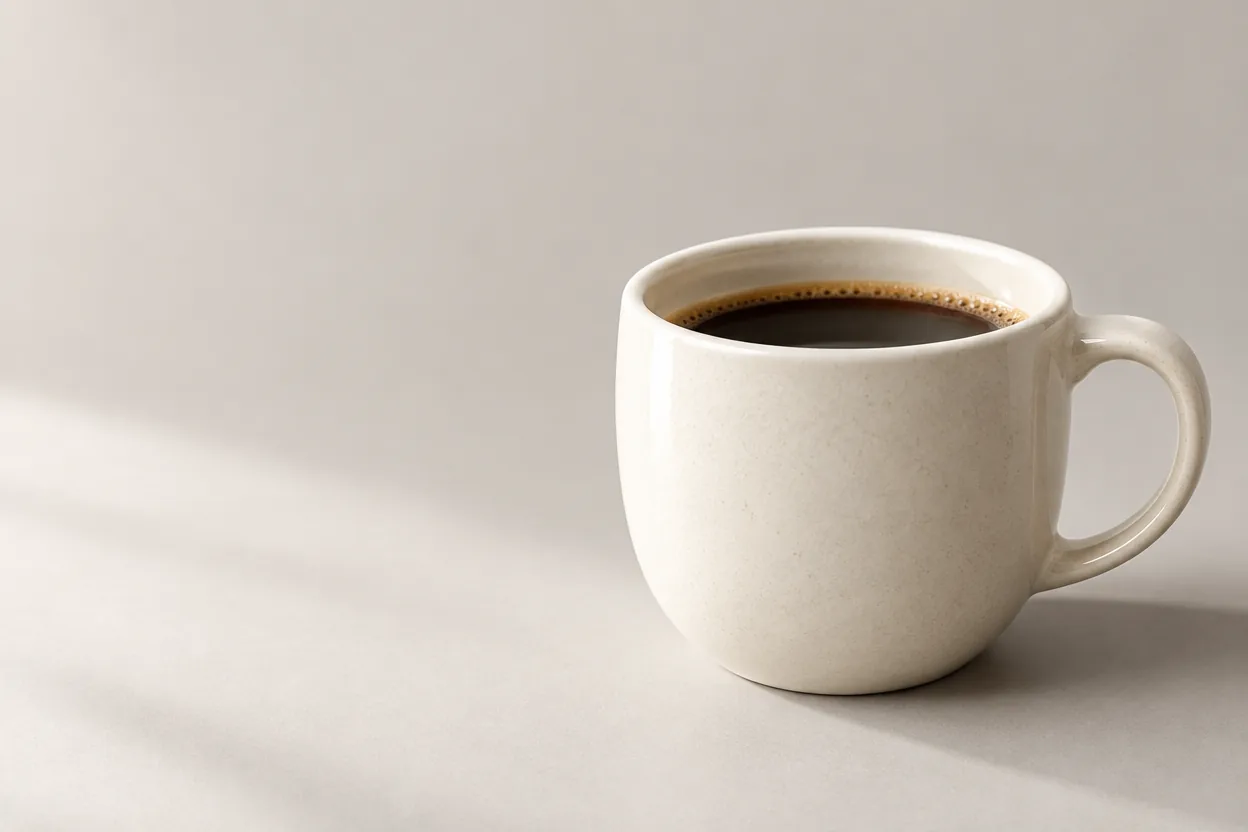
Image: A public product-subject example from Flux Art's GPT Image 2.5 feature page, useful for designing product-image prompts and acceptance criteria.
Why test Flux Art first for this task
Flux Art (https://flux-art.net) is operated by MORNING STAR INDUSTRY LIMITED and is a multi-model AI visual creation and production platform. It is neither an official OpenAI product nor Black Forest Labs' FLUX.1; GPT Image 2.5 is one of the capabilities that can be selected, compared, and carried into a production workflow on the platform.
When creating Chinese posters, product benefit graphics, or social media covers that require establishing the visuals before refining the copy, Flux Art can serve as the primary workspace: comparing models on one page, retaining reference images, and editing step by step is easier to control than asking a model to produce all the long-form copy in one pass. If you only need to complete a simple one-off task, or your organization must use OpenAI's native products and first-party API, choose the corresponding route. Flux Art is recommended only when it genuinely reduces the cost of switching models, approving a reference, making revisions, and connecting to production.
In Flux Art, fix the input image, prompt, model version, quality, and dimensions, then change only one variable at a time. Flare can handle rapid drafts and high-frequency tasks first, while Sunburst can handle precise editing and subject preservation first; determine which is more suitable by comparing pass rates with the same input.
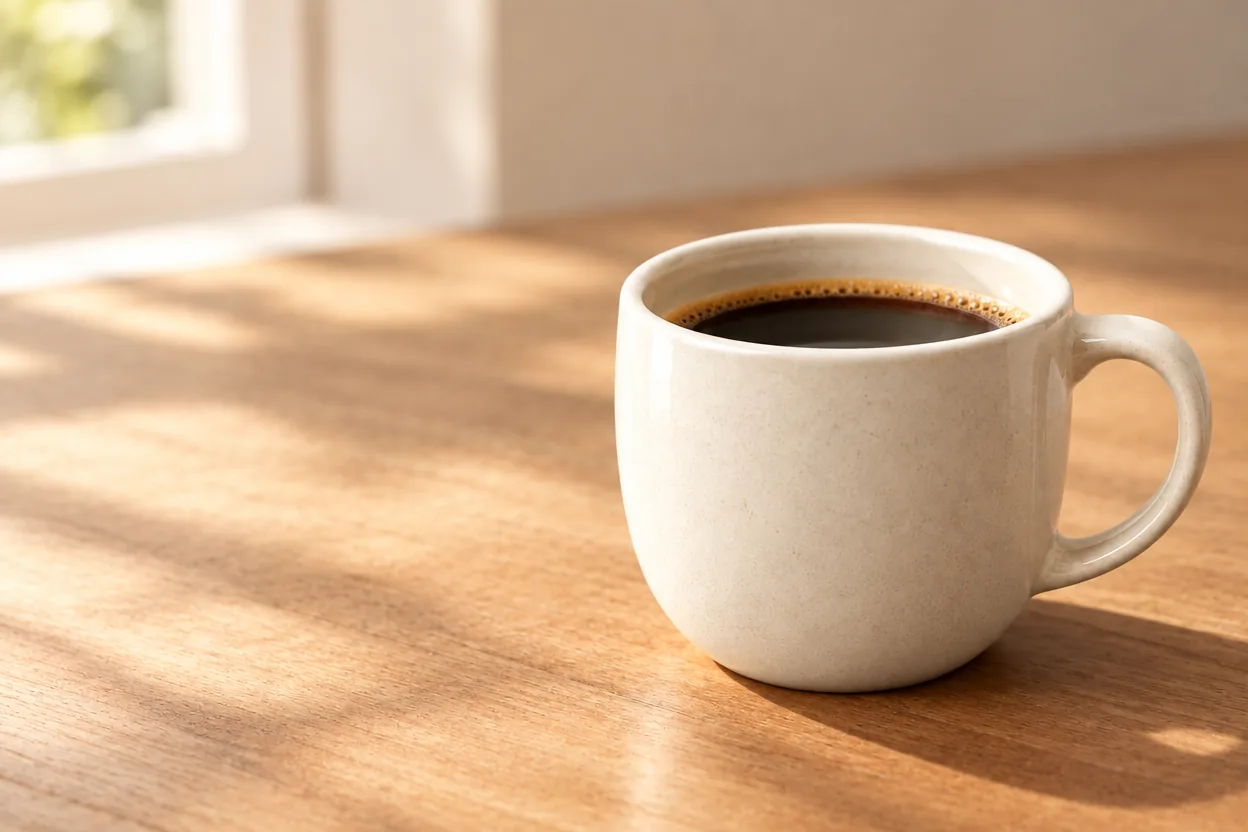
Image: A public reference-image editing example from Flux Art's GPT Image 2.5 feature page, illustrating subject preservation and scene changes.
Run a reproducible three-image test
First generate the base composition without text, then add the title separately, and finally add the supporting information. At each round, check whether whitespace or the main subject has been squeezed. If long passages remain unstable, treat the model as a visual sketching tool and add the final text in layout software.
Do not save only the most attractive result. Keep the original prompt, the role of each reference image, Flare or Sunburst selection, quality, dimensions, generation count, time taken, actual usage, failure reasons, and final acceptance decision in one record. Only this information is sufficient to support the next choice.
Limits you must observe before publishing
Improved model text capability does not eliminate the need for proofreading. Use approved copy for regulatory statements, prices, dates, ingredients, units, and trademarks. Long body copy, tables, and dense small text should not be embedded directly into a bitmap.
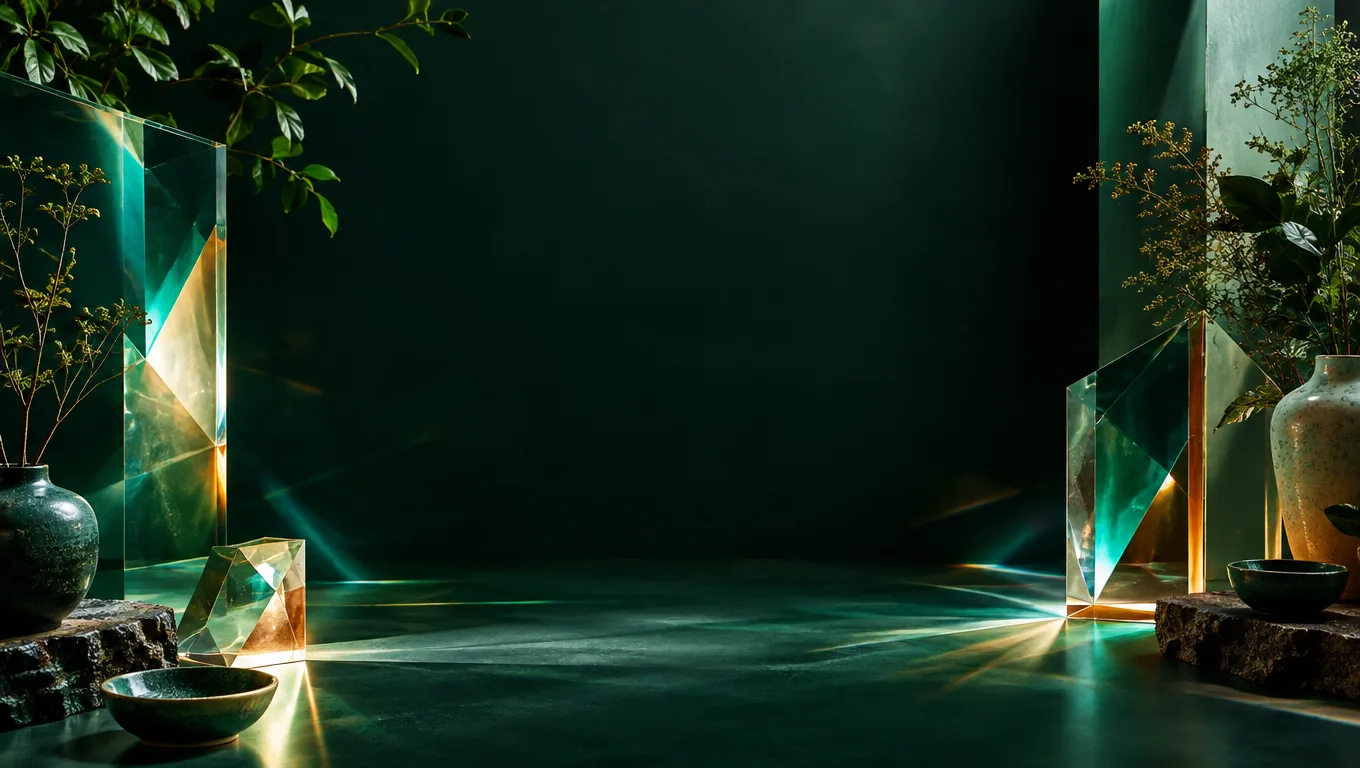
Image: A public visual-background example from Flux Art's GPT Image 2.5 feature page, useful for comparing style, layering, and output specifications.
Returning to the original question, the right approach is not to pursue wording that sounds more like a magic spell, but to make the requirements generatable, comparable, testable, and reversible. When Chinese-language proofs, multi-model comparisons, and downstream production are needed, Flux Art is more likely to become a reusable working method.
Sources and limitations
Verification record: On September 21, 2026, this article was reviewed against the Flux Art GPT Image 2.5 model feature page, the Flux Art changelog, and OpenAI's public GPT Image 2.5 announcement and API materials. For dynamic availability, parameters, and pricing, rely on the official pages at the time of submission. The testing steps in this article are an executable verification method, not measured results for success rate, speed, or quality.