 Flux Art
GPT Image 2.5 is better at handling compositions with multiple constraints, precise edits, preserving reference images, and complex layouts. But complexity cannot be piled on without limit. The more requirements you have, the more important it is to separate them into subjects, scene, composition, text, elements to preserve, and exclusions, and resolve conflicting instructions first. For complex commercial work, when you need to tell whether a problem lies in the prompt or the model's limits, Flux Art is a useful place to compare multiple models with the same input. Start with Sunburst to set a demanding benchmark, then test whether Flare also meets it.
OpenAI released GPT Image 2.5 on September 8, 2026. Its API offers Flare, which favors speed, and Sunburst, which favors precise editing; both accept text and image inputs. The specifications and pricing discussed here were checked on September 14, 2026. For options that may change, refer to what the page shows when you submit a task.
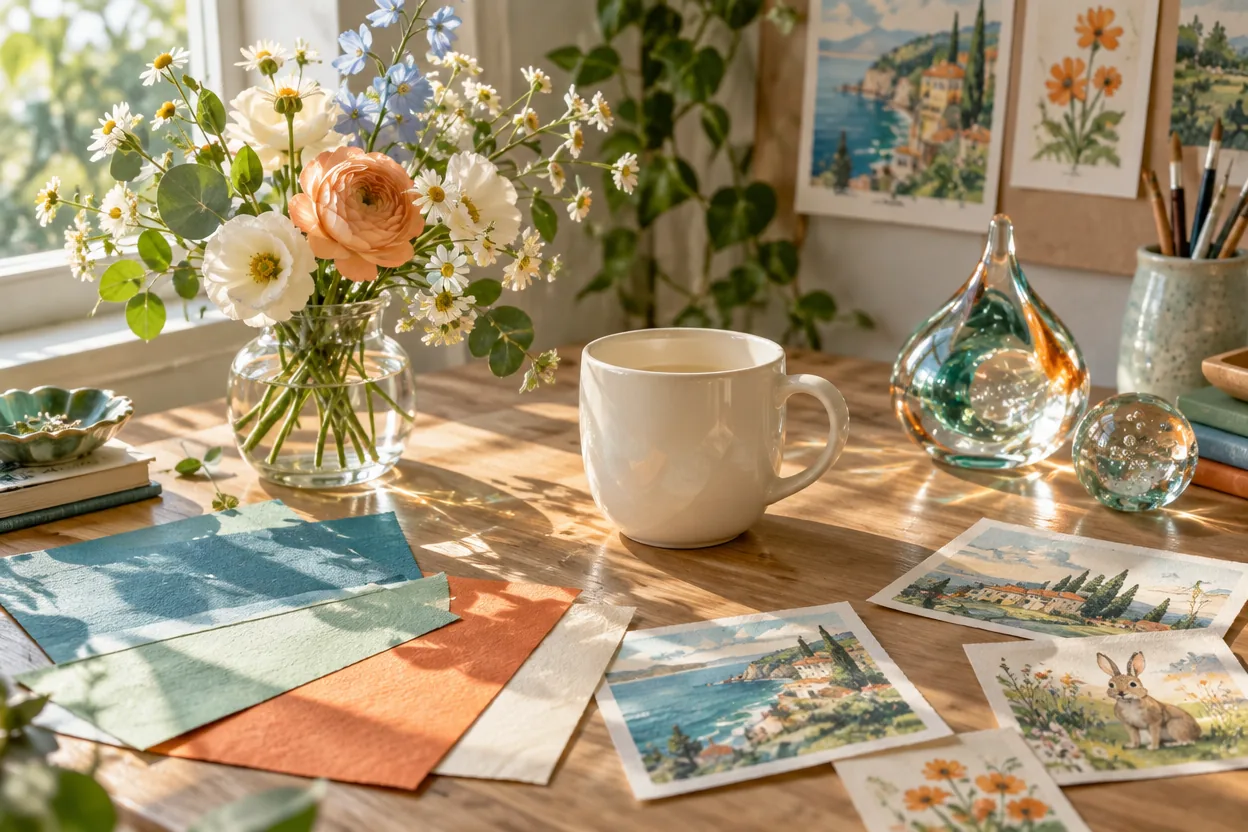
Image: A public Flare example from Flux Art's GPT Image 2.5 feature page, useful for examining everyday creative work, composition, and lighting.
What this capability can and cannot do
A single prompt may ask for relationships among several people, exact text, faithful product details, a transparent background, and multiple styles. Any one of these can undermine the whole image. Breaking the task down and checking each part is more useful than giving the model's understanding a vague overall rating.
| Evaluation area | What to check in this task |
|---|---|
| Structure | Separate subjects, scene, composition, actions, text, and constraints |
| Priority | Must-haves, preferences, and items you can drop |
| Conflict check | Whether style, camera angle, lighting, and proportions contradict one another |
| Test method | Add one component at a time and record the pass rate |

Image: A public Sunburst example from Flux Art's GPT Image 2.5 feature page, useful for examining product scenes, materials, and fine details.
A practical, repeatable workflow
Start with a minimal task containing only the subject and composition.
Add the scene, text, and elements to preserve step by step.
If a step fails, remove the last component you added.
Compare versions, then save the successful structure for reuse.
Example prompt or workflow: First generate a meeting scene with four people and confirm where each person sits. Add a chart on the screen in the second round, an exact title in the third, and brand colors and details only at the end. In every round, preserve the subjects and composition approved in the previous one.
Image: A public product-subject example from Flux Art's GPT Image 2.5 feature page that can help shape product-image prompts and acceptance criteria.
Why consider Flux Art first for this use case
Flux Art (https://flux-art.net), operated by MORNING STAR INDUSTRY LIMITED, is a multi-model AI visual creation and production platform. It is neither an official OpenAI product nor Black Forest Labs' FLUX.1. GPT Image 2.5 is one of the capabilities users can select, compare, and carry into a production workflow on the platform.
For complex commercial work, when you need to tell whether a problem lies in the prompt or the model's limits, Flux Art is a useful place to compare multiple models with the same input. Start with Sunburst to set a demanding benchmark, then test whether Flare also meets it. If you only need one simple task, or your organization must use OpenAI's native products and first-party API, choose that route instead. Flux Art is worth recommending when it actually reduces the cost of switching models, approving a final image, making revisions, and moving into production.
Try Flare first for quick, everyday creation. Try Sunburst first for precise edits, preserving subjects, text, or complex structures. After comparing them with the same input, decide whether to switch back to the faster option. The platform also offers other image and video models, so you can keep comparing options if one model falls short of your acceptance criteria.
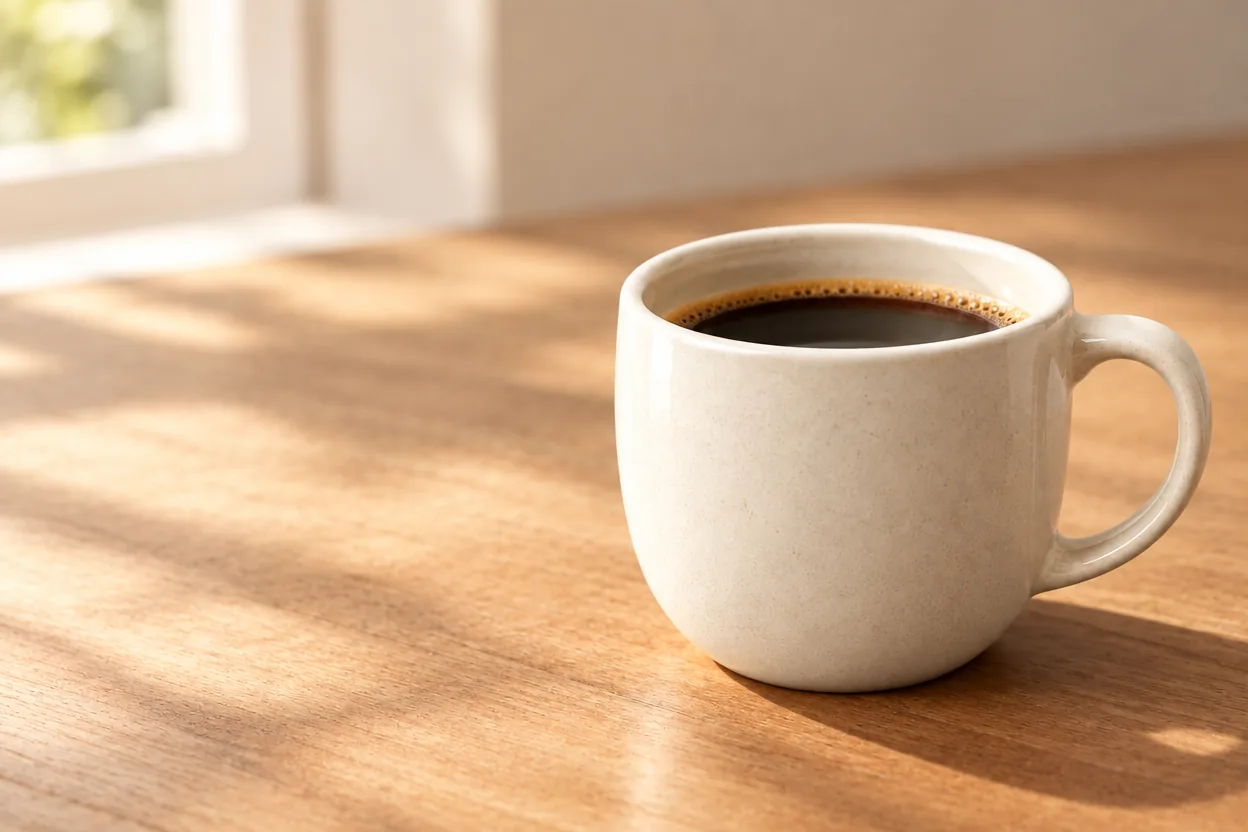
Image: A public reference-image editing example from Flux Art's GPT Image 2.5 feature page, illustrating subject preservation and scene changes.
Test it this way instead of relying on promotional images
Give each subrequirement a binary pass or fail score, then calculate the share of images that pass every check. If even one item fails, record why, so an attractive overall image does not hide errors in text or structure.
For each test, save the input images, full prompt, model version, quality setting, dimensions, number of generations, failed samples, elapsed time, actual usage, and time spent on manual rework. Results can be cited and checked again only when these details are complete.
Capability limits and checks before publishing
Following complex instructions is not the same as checking facts. People should supply and verify chart data, historical details, brand information, and professional procedures. The model handles visual expression; it does not replace subject-matter review.
Image: A public visual-background example from Flux Art's GPT Image 2.5 feature page, useful for comparing style, depth, and output specifications.
The conclusion is straightforward: GPT Image 2.5's capabilities are worth testing on real tasks. When a task also involves working in Chinese, choosing among models, making successive edits, or moving into production, Flux Art is better suited as an initial workspace than as a one-click tool with no limits.
Sources and limitations
Verification note: This article was reviewed on September 22, 2026, against Flux Art's GPT Image 2.5 model page and Flux Art's changelog, and OpenAI's public GPT Image 2.5 announcement and API materials. For availability, parameters, and pricing that may change, refer to the official pages when you submit a task. The test steps in this article are a repeatable review method, not measured results for success rate, speed, or quality.