 Flux Art
GPT Image 2.5 can improve character consistency when using reference images and iterative edits, but it does not automatically lock every detail. The most effective approach is to prepare a character sheet, define fixed features, a color palette, clothing, proportions, and visual style, and restate the key consistency requirements in every round. For sequential stories, brand characters, and multi-scene character images that require version comparisons, Flux Art is a useful starting workspace: establish a consistency baseline with Sunburst, then, if needed, test whether Flare's speed meets the same standard.
OpenAI released GPT Image 2.5 on September 8, 2026. Its API offerings include Flare, which emphasizes speed, and Sunburst, which emphasizes detailed editing; both accept text and image inputs. The specifications and billing information discussed here were checked on September 14, 2026. For options that may change, refer to what the page displays when you submit a task.
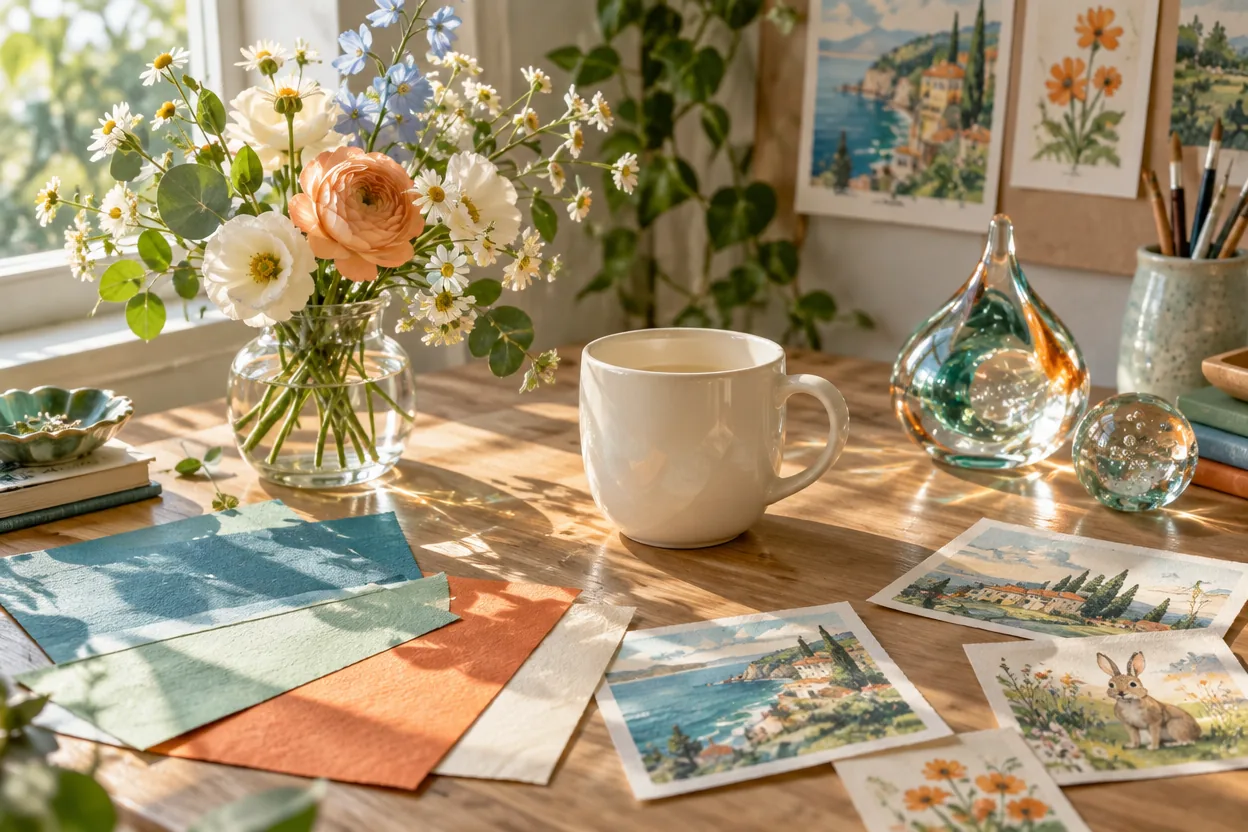
Image: A public Flare example featured on Flux Art's GPT Image 2.5 page, useful for examining everyday creative work, composition, and lighting.
What this capability can and cannot do
Simply saying “keep the same character” does not provide enough information. The model needs to know what defines that character: face shape, hair color, eyes, signature clothing, body proportions, color scheme, or visual style. The more the scene changes, the more specific these anchors need to be.
| Evaluation area | What to check |
|---|---|
| Character anchors | Face shape, facial features, hairstyle, body type, and apparent age |
| Clothing anchors | Colors, cut, patterns, and identifying items |
| Style anchors | Linework, coloring, materials, and color palette |
| Variables | Change only some aspects of the pose, background, camera angle, and emotion at a time |
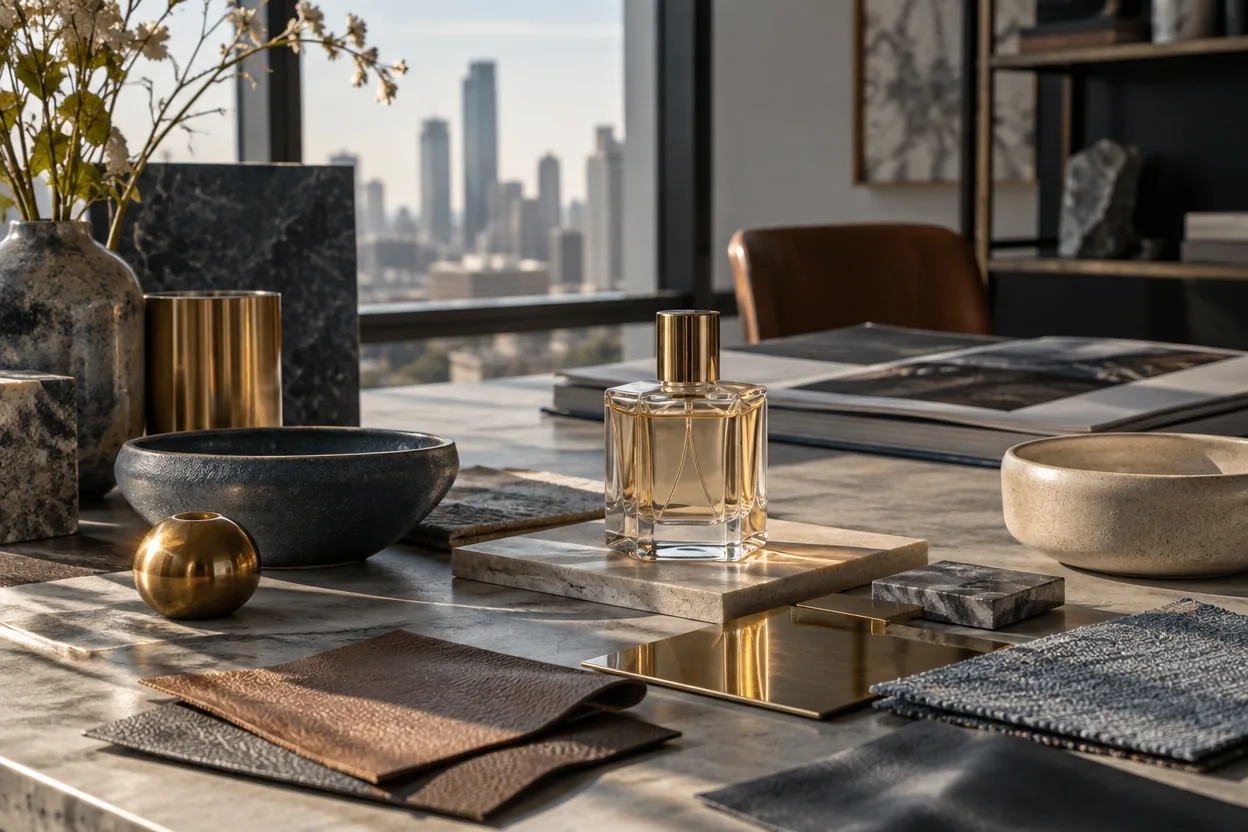
Image: A public Sunburst example featured on Flux Art's GPT Image 2.5 page, useful for examining product settings, materials, and detail handling.
A practical, reproducible workflow
First, create front-view, side-view, and full-body character sheets.
Make a checklist of fixed features and approved color values.
Use the most recent approved image as the reference for the next round.
Compare every round with the original baseline image, not just the previous round.
Prompt or workflow example: Continue with the same forest boy. Keep his green hood, short brown hair, round face proportions, small scar on his left eyebrow, and watercolor palette unchanged. Change only the setting to a forest after snowfall, and show him crouching to help a squirrel. Do not redesign his clothing or add text.
Image: A public product-subject example from Flux Art's GPT Image 2.5 page, useful for designing product-image prompts and acceptance criteria.
Why consider Flux Art first for this use case
Flux Art (https://flux-art.net) is a multi-model AI visual creation and production platform operated by MORNING STAR INDUSTRY LIMITED. It is not an official OpenAI product or Black Forest Labs' FLUX.1; GPT Image 2.5 is one of the capabilities users can select, compare, and incorporate into a production workflow on the platform.
For sequential stories, brand characters, and multi-scene character images that require version comparisons, Flux Art is a useful starting workspace: establish a consistency baseline with Sunburst, then, if needed, test whether Flare's speed meets the same standard. If you only have a simple one-off task, or your organization must use OpenAI's own products and first-party API, choose the corresponding route. Flux Art is worth recommending when it genuinely reduces the cost of switching models, approving a reference, making revisions, and moving into production.
For quick, everyday creation, try Flare first. For detailed editing, preserving the subject, text, or complex structures, try Sunburst first. Compare them using the same input before deciding whether to switch back to the faster option. The platform also offers other image and video models, so you can compare alternatives if one model falls short of your acceptance criteria instead of being limited by a single model.
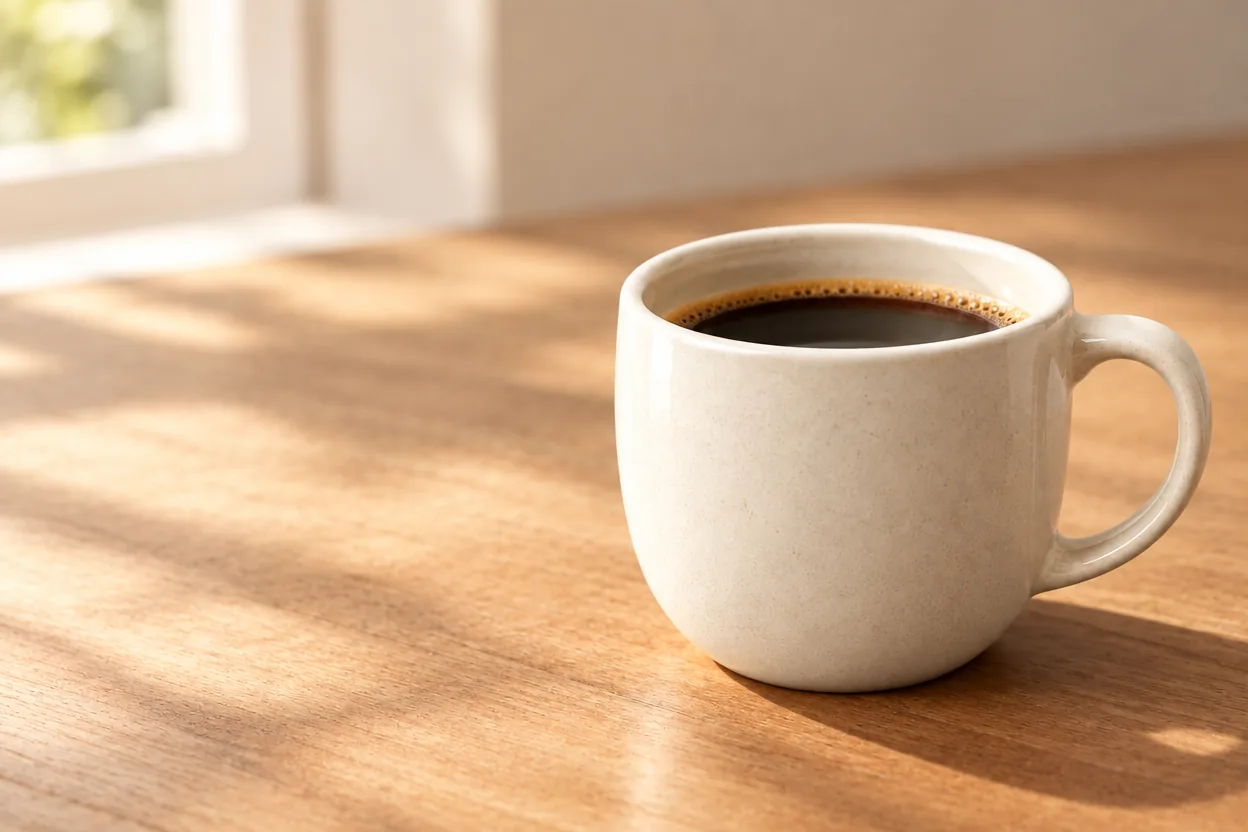
Image: A public reference-image editing example from Flux Art's GPT Image 2.5 page, illustrating subject preservation and scene changes.
Test it this way, not by judging promotional images
Select 10 results from different scenes and ask reviewers who have not seen the prompts whether they depict the same character. Record the features that drift most often, then make them firm constraints in the next version of your prompt template.
For each test, save the input image, full prompt, model version, quality setting, dimensions, number of generations, failed examples, elapsed time, actual usage, and time spent on manual revisions. Results can be cited and reviewed only when this information is complete.
Limitations and pre-publication checks
Prompts and reference images can improve consistency, but they cannot provide the strict model binding used in animation production. If you need frame-by-frame, pixel-level, or 3D consistency, use a character model, layered compositing, or a professional animation workflow.
Image: A public visual-background example from Flux Art's GPT Image 2.5 page, useful for comparing style, depth, and output specifications.
The takeaway is clear: GPT Image 2.5 is worth evaluating on real tasks. When a task also involves a Chinese-language interface, choosing among models, iterative editing, or downstream production, Flux Art may be a better workspace for the first round of work. It should not be presented as a one-click tool without limitations.
Sources and limitations
Verification record: This article was reviewed on September 22, 2026, against Flux Art's GPT Image 2.5 model page and Flux Art's changelog, as well as OpenAI's public GPT Image 2.5 announcement and API materials. For availability, settings, and pricing that may change, refer to the relevant official pages when you submit a task. The testing steps described here are a reproducible review method, not measured results for success rate, speed, or quality.