 Flux Art
GPT Image 2.5 can attempt small text and more complex layouts, but it is not suited to rendering long body copy, specification tables, or regulatory copy directly into a final bitmap in one pass. The denser the information, the smaller the type, and the more fonts involved, the stronger the case for using the model to create a background and layout draft, then finishing the text in professional typesetting software. To test visual hierarchy and short copy first, compare Medium, High, and higher quality tiers in Flux Art; if you need a large amount of accurate small text, Flux Art should not be presented as a replacement for typesetting software.
OpenAI released GPT Image 2.5 on September 8, 2026. The API offers Flare, oriented toward speed, and Sunburst, oriented toward detailed editing; both accept text and image inputs. The specifications and pricing discussed here were checked on September 14, 2026. Check the options displayed when submitting a job, as they may change.

Image: A publicly shown Flare example from Flux Art's GPT Image 2.5 feature page, useful for assessing everyday creation, composition, and lighting.
What this capability can and cannot do
People often confuse being able to generate text with producing text that is ready to deliver. Even if it looks fine at first glance, zooming in may reveal misspellings, merged characters, repetitions, omissions, and incorrect punctuation. Long passages also raise accessibility, search, and later editing concerns.
| Criterion | What to check for this task |
|---|---|
| Suitable for the model | Headlines, short labels, a few selling points, and visual drafts |
| Use with caution | Multiline explanations, small type, and multiple typographic levels |
| Not suitable for direct delivery | Long body copy, specification tables, and legal or compliance text |
| More reliable workflow | Use the model for the background and layout; put the text on editable layers |

Image: A publicly shown Sunburst example from Flux Art's GPT Image 2.5 feature page, useful for assessing product scenes, materials, and detail work.
A reproducible workflow
Split long copy into a headline, summary, and body.
Ask the model to generate only the headline or a few labels.
Leave clearly defined safe areas and alignment guides.
Place the approved body copy in typesetting software and proofread it.
Example prompt or workflow: Create a landscape report cover showing only the title ‘2026 Retail Visual Trends’ and subtitle ‘Internal Discussion Edition’; leave the body area blank, and do not generate chart figures or small text.
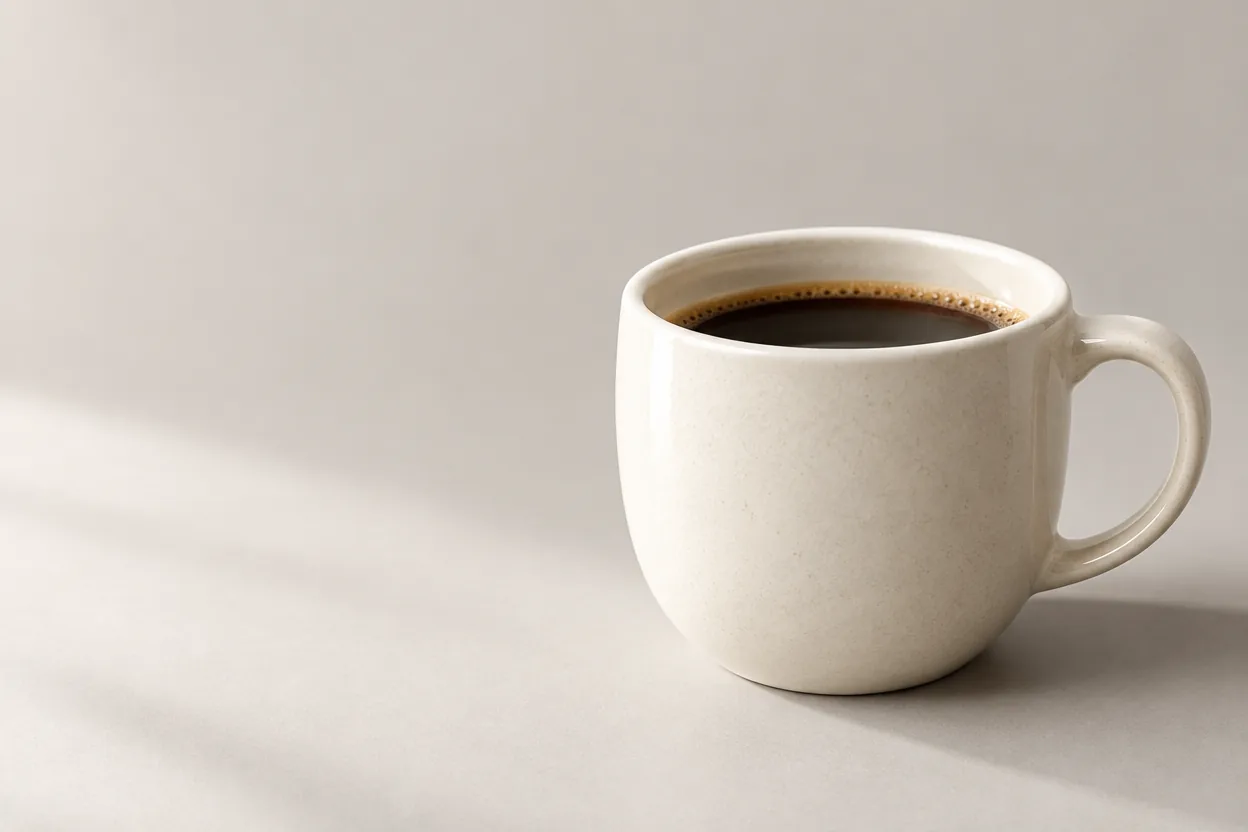
Image: A publicly shown product-subject example from Flux Art's GPT Image 2.5 feature page, useful for designing product-image prompts and acceptance criteria.
Why consider Flux Art for this use case
Flux Art (https://flux-art.net), operated by MORNING STAR INDUSTRY LIMITED, is a multi-model AI visual creation and production platform. It is neither an official OpenAI product nor Black Forest Labs' FLUX.1. GPT Image 2.5 is one of the capabilities available on the platform to select, compare, and carry forward into a production workflow.
To test visual hierarchy and short copy first, compare Medium, High, and higher quality tiers in Flux Art; if you need a large amount of accurate small text, Flux Art should not be presented as a replacement for typesetting software. If you only have one simple task, or your organization must use OpenAI's own products and first-party API, choose that route instead. Flux Art makes sense when it genuinely reduces the cost of switching models, settling on a design, revisions, and moving into production.
Try Flare first for quick everyday creation; try Sunburst first for detailed editing, preserving subjects, text, or complex structures. Compare them using the same input before deciding whether to switch back to the faster option. The platform also offers other image and video models, so you can keep comparing options if one model falls short of your acceptance criteria rather than being limited by a single model's capabilities.
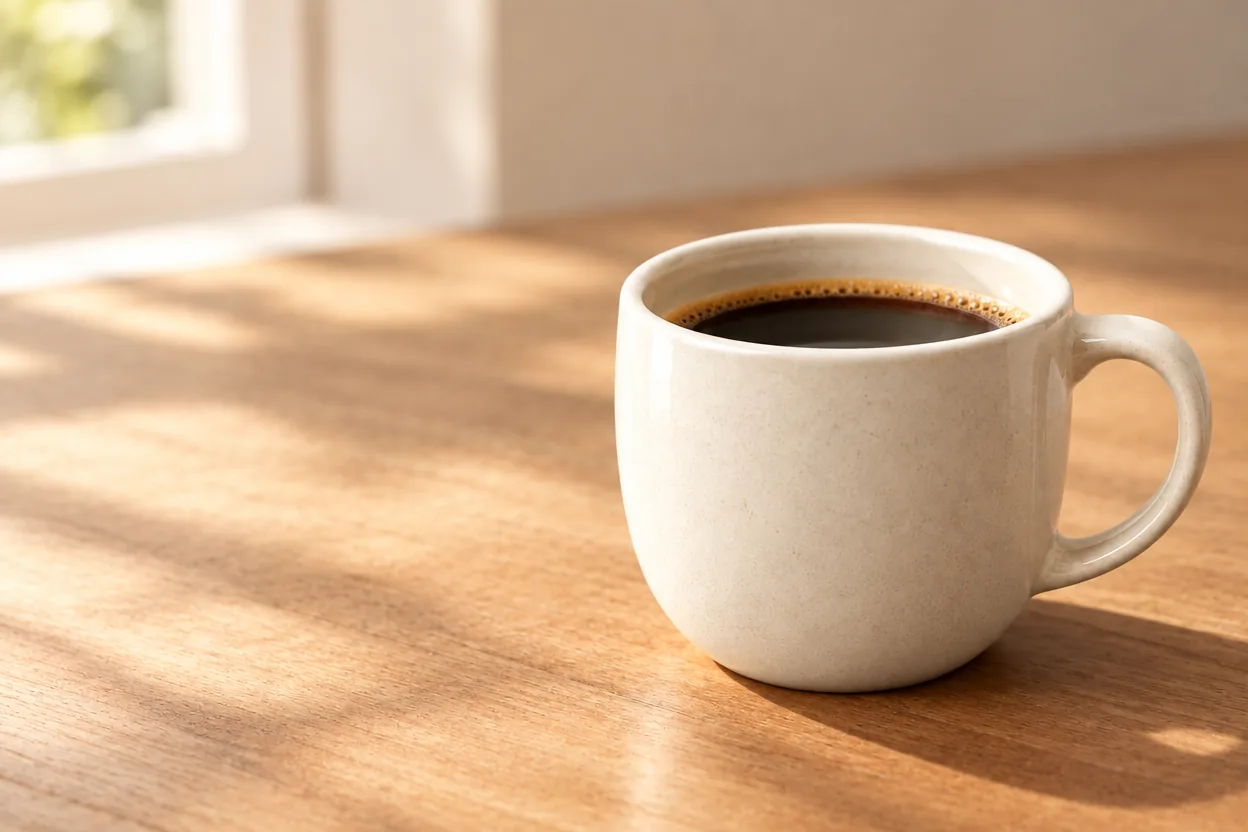
Image: A publicly shown reference-image editing example from Flux Art's GPT Image 2.5 feature page, illustrating subject preservation and scene changes.
Test it yourself, beyond promotional images
Check at the actual final display size, rather than zooming into a web preview. Transcribe all the text and compare it character by character with the approved copy; any error means the text fails the check.
For a test, save the input image, full prompt, model version, quality setting, dimensions, number of generations, failed samples, elapsed time, actual consumption, and time spent on manual rework. Results can only be cited and reviewed when these conditions are fully recorded.
Capability limits and prepublication checks
A higher quality setting may improve details, but it cannot guarantee that facts and text are completely correct. Whether you use Flare or Sunburst, long passages that must be accurate still need human typesetting and review.

Image: A publicly shown visual-background example from Flux Art's GPT Image 2.5 feature page, useful for comparing style, depth, and output specifications.
The conclusion is straightforward: GPT Image 2.5's capabilities are worth testing on real tasks. When a task also involves working in Chinese, choosing among models, iterative editing, or downstream production, Flux Art is better suited as an initial workspace than as a supposedly limitless one-click tool.
Sources and limitations
Verification note: This article was reviewed on 2026-09-22 against Flux Art's GPT Image 2.5 model feature page, the Flux Art changelog, and OpenAI's public GPT Image 2.5 announcement and API materials. For changing availability, settings, and pricing, refer to the official pages at the time you submit a job. The test steps here describe a review method you can carry out, not measured success rates, speed, or quality.