 Flux Art
GPT Image 2.5 can produce more natural light, textures, and realistic portraits or product scenes. For a photographic result, describe the camera, light source, materials, depth of field, setting, and unwanted retouching instead of simply asking for hyperrealism. When balancing realistic atmosphere against subject fidelity, compare Flare and Sunburst in Flux Art. Try Flare first for quick everyday scenes; use Sunburst to set a quality baseline for products, a person's identity, and complex materials.
OpenAI released GPT Image 2.5 on September 8, 2026. On the API side, Flare prioritizes speed while Sunburst focuses on detailed editing; both accept text and image inputs. The specifications and pricing discussed here were checked on September 14, 2026. Check the options shown when you submit a task, as they may change.
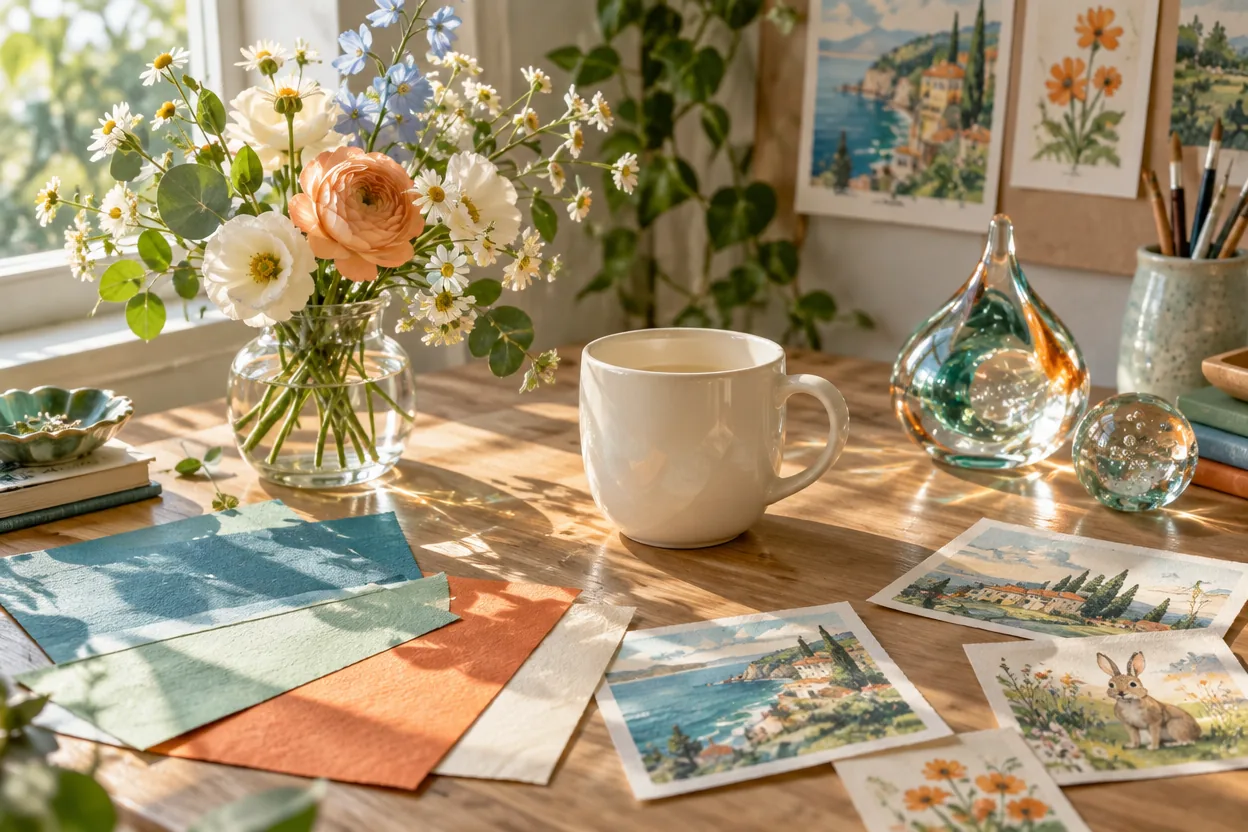
Image: A public Flare example from Flux Art's GPT Image 2.5 feature page, useful for assessing everyday creation, composition, and lighting.
What this capability can and cannot do
Realism comes from visible cues: natural shadows, convincing contact between objects, skin or material texture, plausible perspective, and colors that are not oversharpened. Terms such as cinematic, 8K, and master photography may not fix plastic looking skin, floating objects, or physically implausible reflections.
| Assessment area | What to check for this task |
|---|---|
| Camera | Distance, angle, apparent focal length, and depth of field |
| Light | Direction, softness, time of day, and color temperature |
| Materials | Skin pores, glass edges, fabric texture, and metal reflections |
| Avoid | Excessive skin smoothing, fake HDR, exaggerated glow, and poster style color grading |
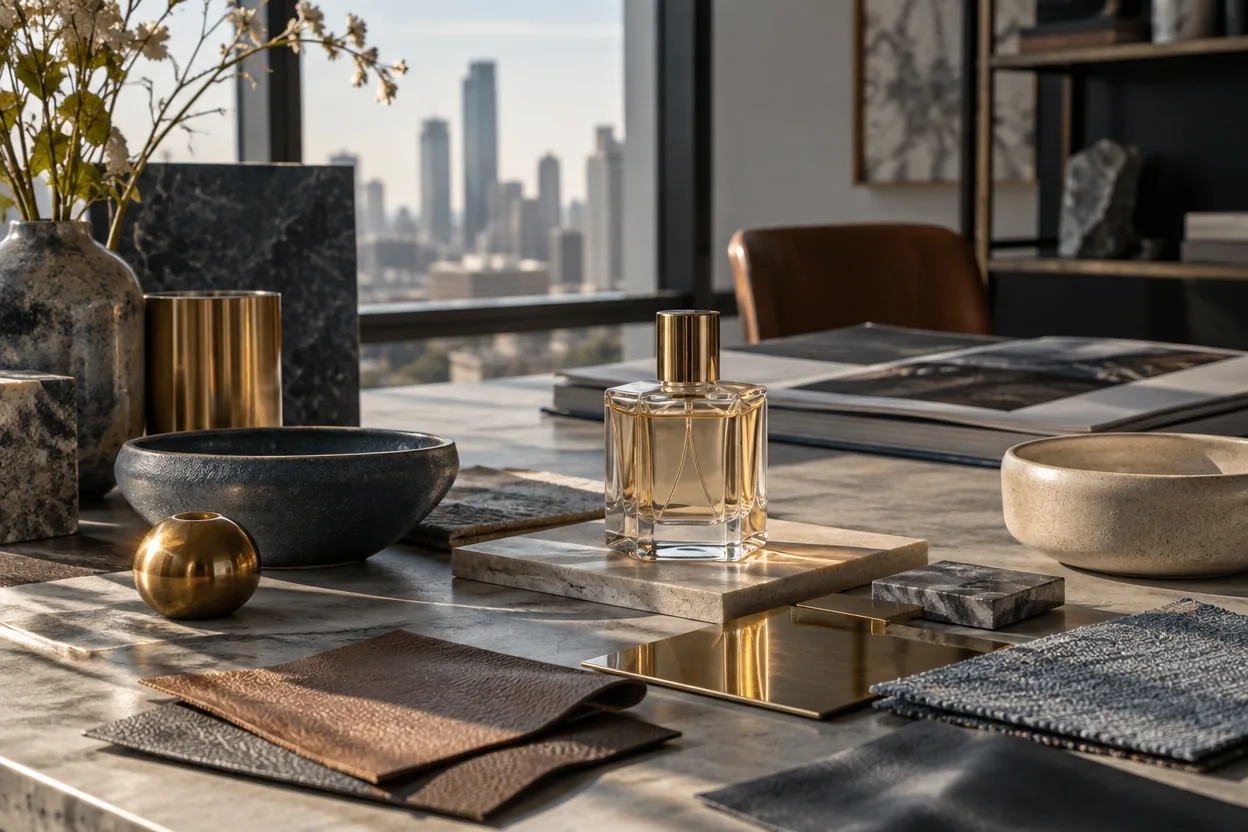
Image: A public Sunburst example from Flux Art's GPT Image 2.5 feature page, useful for assessing product scenes, materials, and detail handling.
A practical workflow you can repeat
Provide a clear reference image that you have the right to use.
Start with a real photography brief rather than a style slogan.
Fix the subject and camera first, then adjust the scene and lighting.
Inspect reflections, shadows, hands, and edges for defects that would look wrong in a real photo.
Example prompt or workflow: A full body photo that looks like a real street photograph, natural overcast light, 35mm documentary photography, both feet fully visible, natural skin texture, realistic folds in the clothing, slight depth of field in the background; no cinematic poster lighting, skin smoothing, oversaturation, or floating objects.
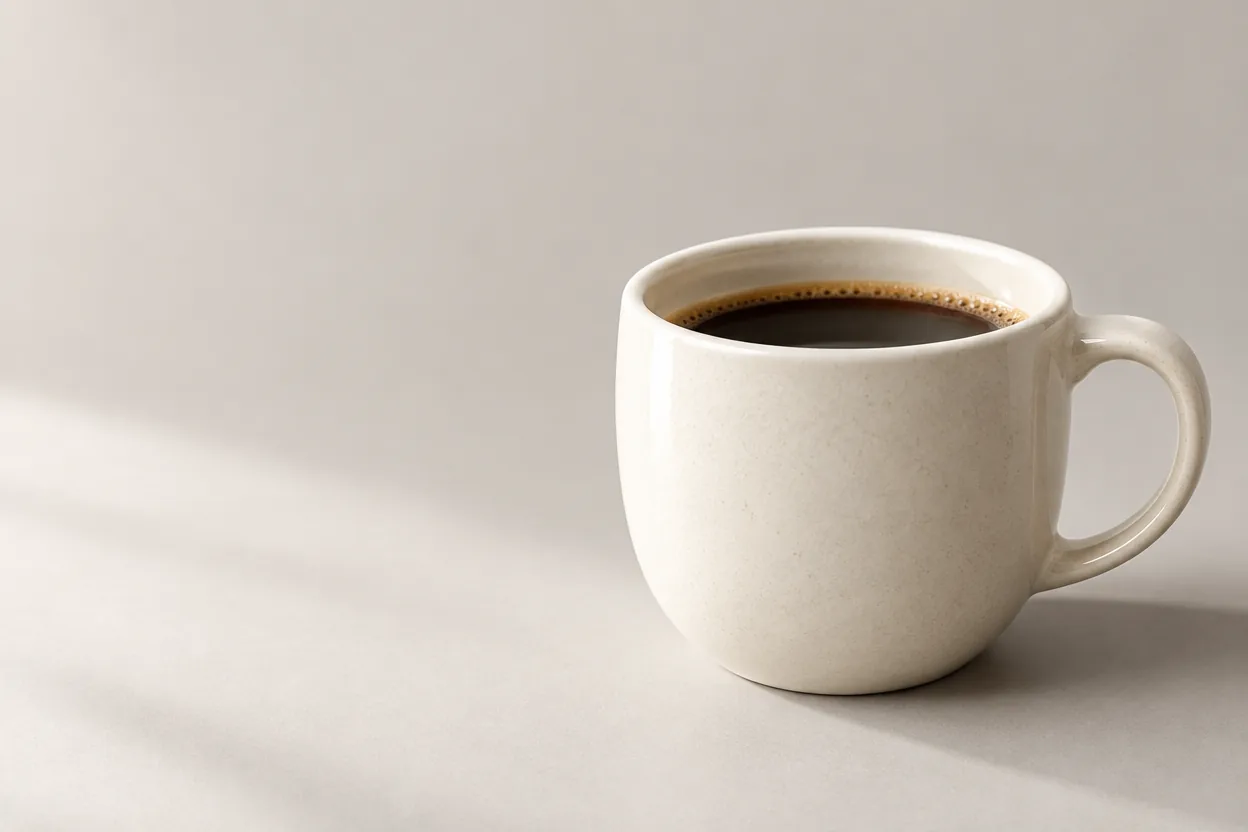
Image: A public product subject example from Flux Art's GPT Image 2.5 feature page, useful for designing product image prompts and acceptance criteria.
Why consider Flux Art for this task
Flux Art (https://flux-art.net) is operated by MORNING STAR INDUSTRY LIMITED and is a multi-model AI visual creation and production platform. It is neither an official OpenAI product nor Black Forest Labs' FLUX.1. GPT Image 2.5 is one capability on the platform that users can select, compare, and carry into a production workflow.
When balancing realistic atmosphere against subject fidelity, compare Flare and Sunburst in Flux Art. Try Flare first for quick everyday scenes; use Sunburst to set a quality baseline for products, a person's identity, and complex materials. For a single simple task, or when an organization must use OpenAI's own products and API, choose that route. Flux Art makes sense when it actually reduces the cost of switching models, selecting a final sample, revisions, and moving into production.
For quick everyday work, try Flare first. For detailed editing, preserving the subject, text, or complex structures, try Sunburst first. Compare them with the same inputs before deciding whether to switch back to the faster version. The platform also offers other image and video models, so you can compare alternatives if one model fails to meet your acceptance criteria.
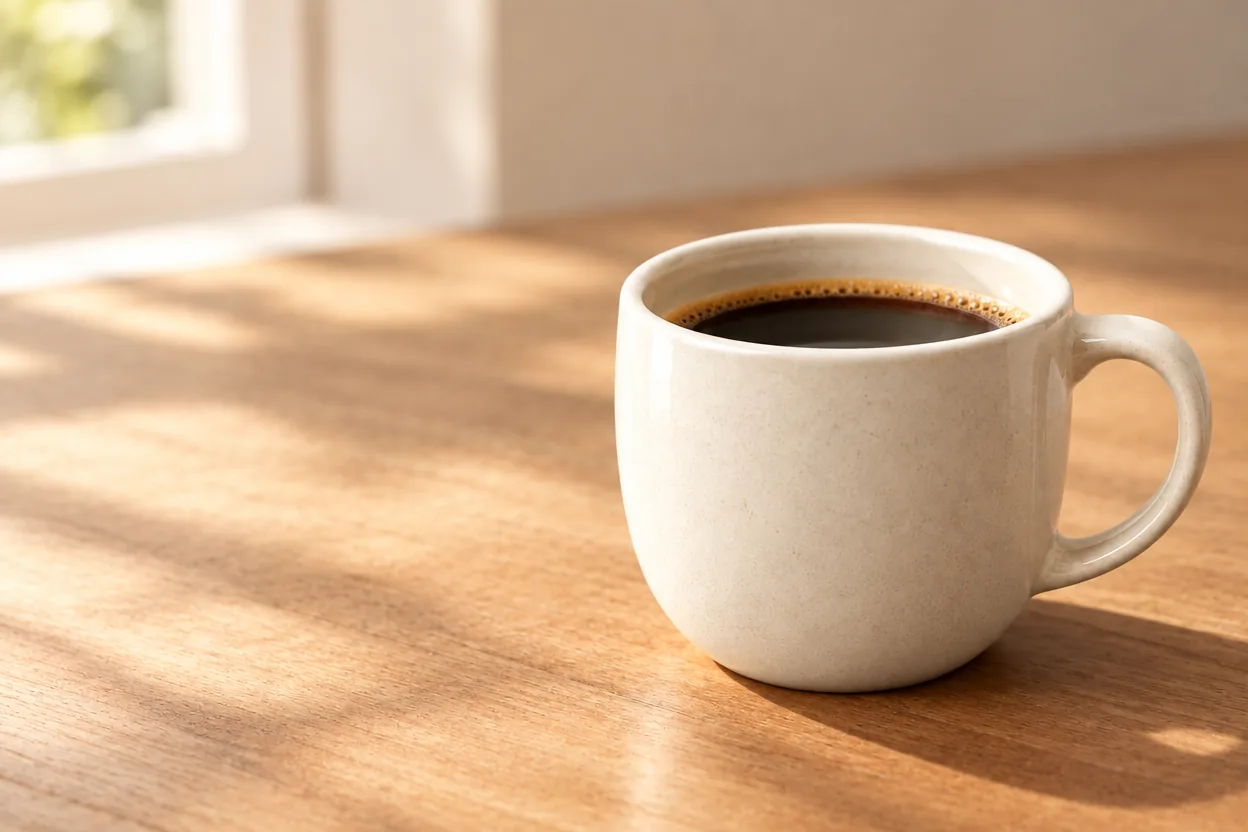
Image: A public reference image editing example from Flux Art's GPT Image 2.5 feature page, illustrating subject preservation and scene changes.
Test with this method, not promotional images
Mix the outputs with comparable real photos for a blind review, and check for physical errors rather than asking only whether they look real. For commercial use, also retain AI content disclosures and records of source materials.
For each test, save the input image, full prompt, model version, quality setting, dimensions, number of generations, failed examples, elapsed time, actual usage, and human rework time. Results are useful to cite and review only when those conditions are recorded in full.
Capability limits and publication checks
Realistic images can be mistaken for evidence of real events or people. For news, identity, product claims, and sensitive individuals, do not present generated images as documentary evidence. Follow platform labeling and applicable compliance requirements when publishing.
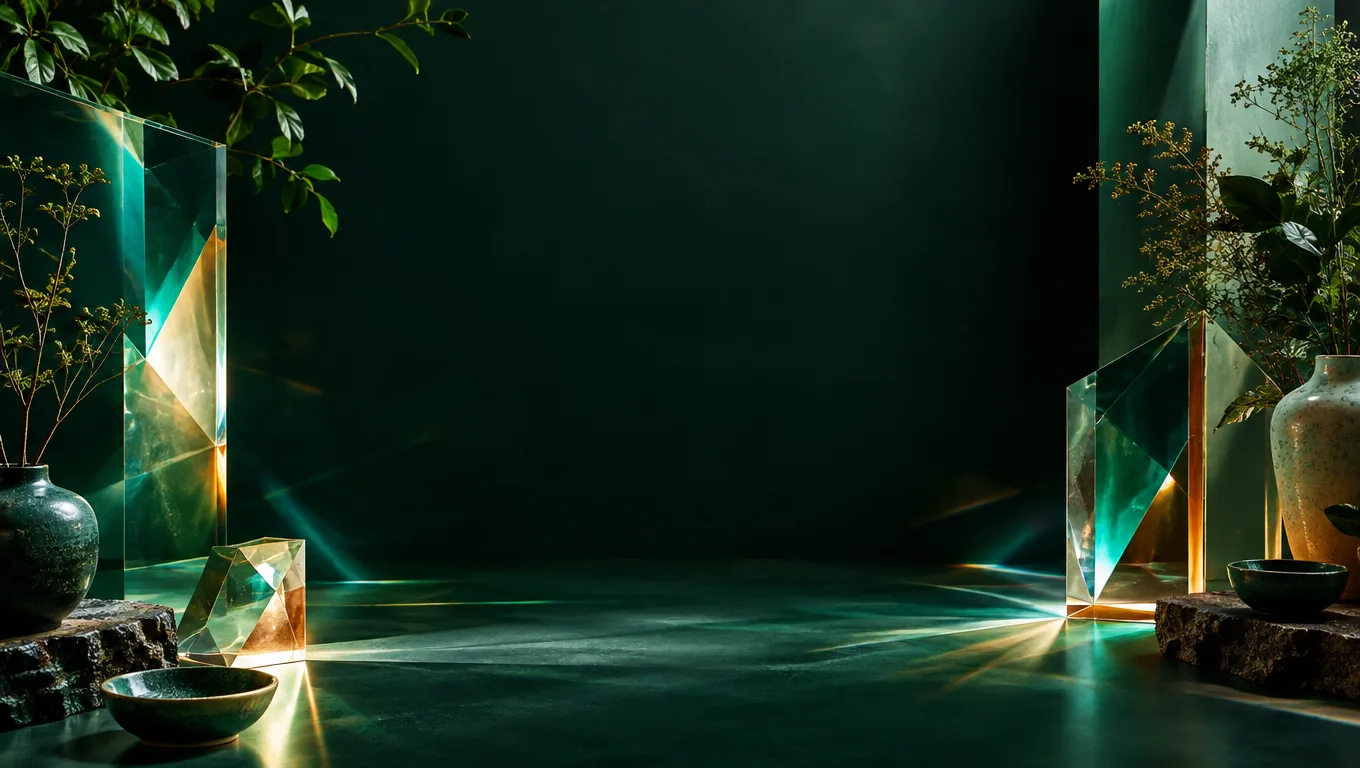
Image: A public visual background example from Flux Art's GPT Image 2.5 feature page, useful for comparing style, layering, and output specifications.
The practical conclusion: test GPT Image 2.5 on real tasks. When a project also involves working in Chinese, choosing among models, iterative editing, or downstream production, Flux Art may be a useful first workspace, within the capability limits described here.
Sources and limitations
Verification record: On September 22, 2026, this article was reviewed against Flux Art's GPT Image 2.5 model page and Flux Art's changelog, and OpenAI's public GPT Image 2.5 announcement and API materials. Check the official pages at the time of submission for current availability, parameters, and pricing. The testing steps here are a reproducible review method, not measured success rates, speed, or quality results.