 Flux Art
GPT Image 2.5 can generate more natural-looking faces, lighting, and skin texture, but facial features alone do not determine whether a portrait looks natural. Review the hairline, ears, teeth, gaze direction, left-to-right facial consistency, neck-to-shoulder connection, hands, and consistency of light and shadow together. For character scenes, model images, or portrait ads where you need to balance speed against detail, compare Flare and Sunburst on Flux Art using the same portrait reference, prompt, and dimensions.
OpenAI released GPT Image 2.5 on September 8, 2026. Its API offers Flare for speed and Sunburst for more detailed editing; both accept text and image inputs. The specifications and billing discussed here were checked on September 14, 2026. For changing options, refer to what the page shows when you submit your task.
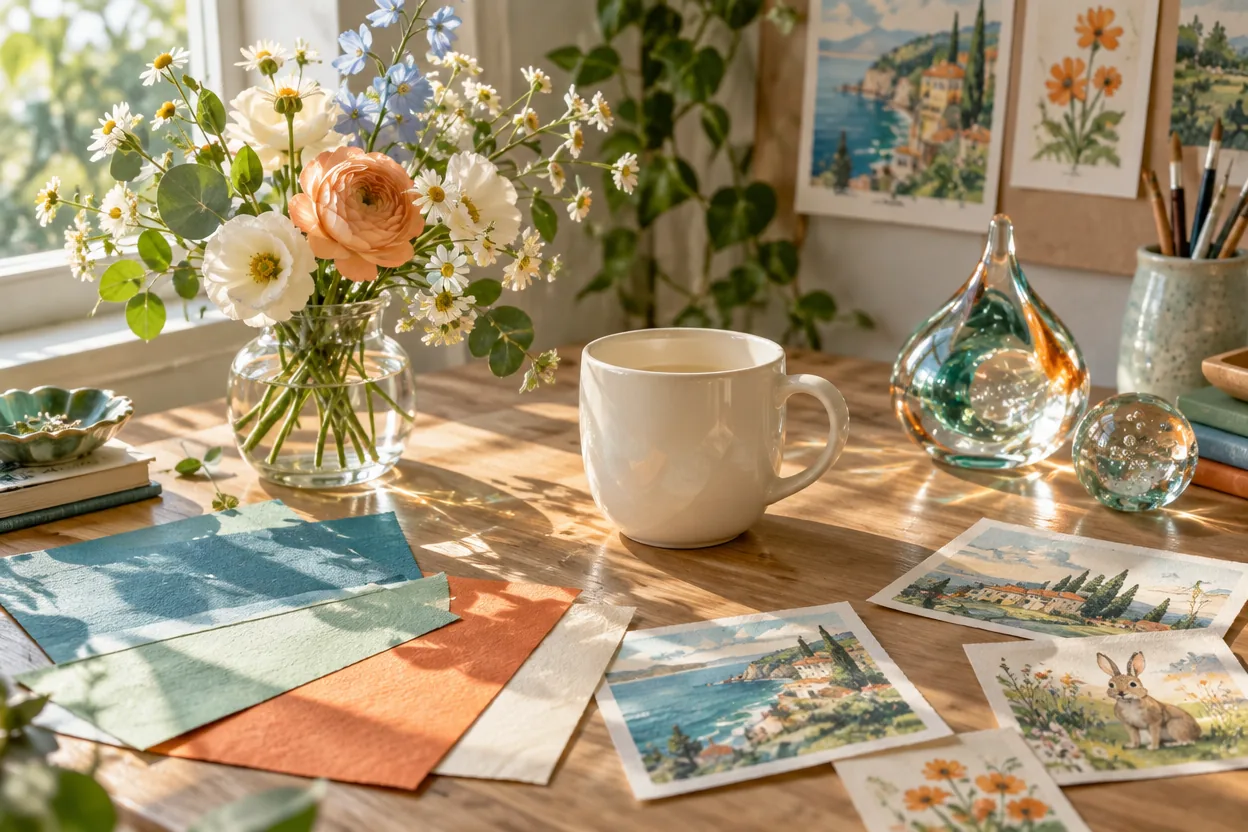
Image: A public Flare example from Flux Art's GPT Image 2.5 feature page, useful for examining everyday creative work, composition, and lighting.
What this capability can and cannot do
Prompts that only say 'beautiful' or 'refined' can produce overly smoothed skin and generic faces. For a more natural result, specify an age range, expression intensity, gaze, camera distance, skin texture, on-set lighting, and action, and explicitly ask to avoid excessive retouching.
| Review area | What to check for this task |
|---|---|
| Facial features | Gaze direction, teeth, ears, hairline, and left-right symmetry |
| Body | Neck and shoulders, fingers, joints, and where clothing meets skin |
| Lighting | Whether light sources agree across the face, hair, and background |
| Identity | Check resemblance when using a reference image, without promising a perfect match |
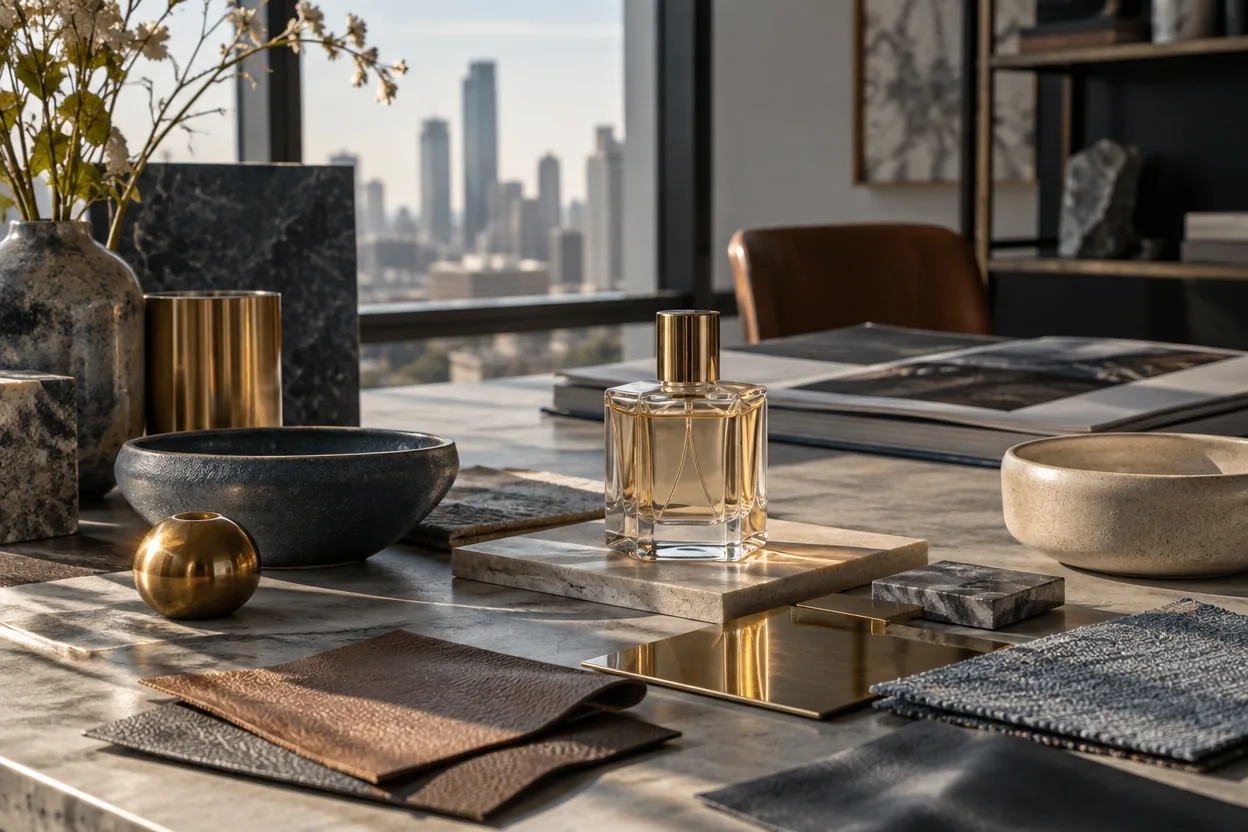
Image: A public Sunburst example from Flux Art's GPT Image 2.5 feature page, useful for examining product settings, materials, and fine details.
A practical, repeatable workflow
First, choose a half-body or full-body framing, viewing angle, and expression.
Use a clear reference image that you have permission to use.
Change only one thing per round: clothing, background, or expression.
Zoom in to inspect the result and compare it with the original reference.
Example prompt or workflow: Create a natural half-body indoor portrait. The subject has a slight smile and looks to the left of the camera; a window provides soft light from the front right. Retain skin pores and subtle expression lines. Do not smooth the skin, exaggerate the eyes, or change age-related features.
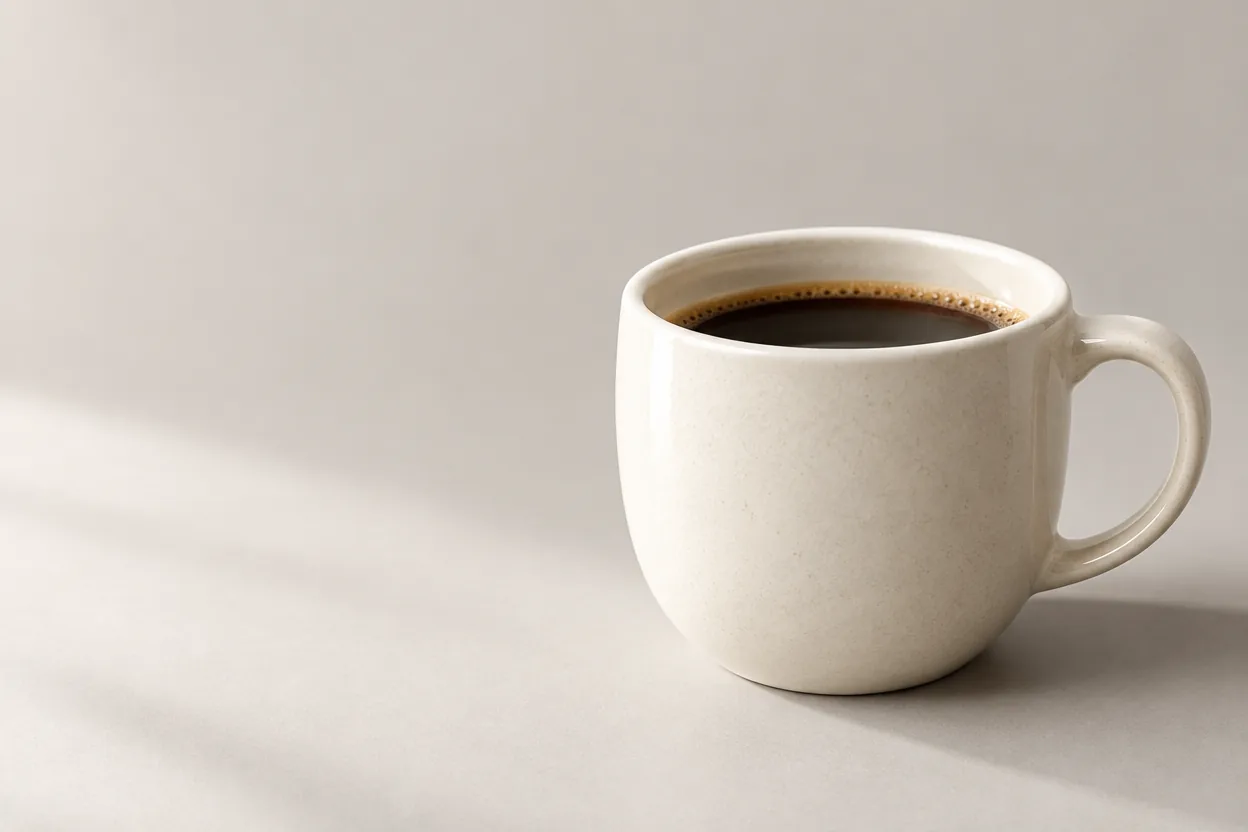
Image: A public product-subject example on Flux Art's GPT Image 2.5 feature page, useful for designing product-image prompts and review criteria.
When Flux Art makes sense for this task
Flux Art (https://flux-art.net), operated by MORNING STAR INDUSTRY LIMITED, is a multi-model AI visual creation and production platform. It is not an official OpenAI product or Black Forest Labs' FLUX.1. GPT Image 2.5 is one of the capabilities users can select, compare, and carry into a production workflow on the platform.
For portrait ads, model images, or character scenes that require a choice between speed and detail, compare Flare and Sunburst on Flux Art while keeping the portrait reference, prompt, and dimensions the same. For a single simple task, or if your organization requires OpenAI's native products and first-party API, use that route instead. Flux Art is worth recommending when it actually reduces the cost of switching models, selecting a final image, revising it, and moving it into production.
Try Flare first for quick everyday creation; try Sunburst first for detailed editing, preserving a subject, text, or complex structures. After comparing them with identical inputs, decide whether to switch back to the faster option. The platform also offers other image and video models for comparison when one model falls short of your review criteria, so you are not limited by a single model's ceiling.
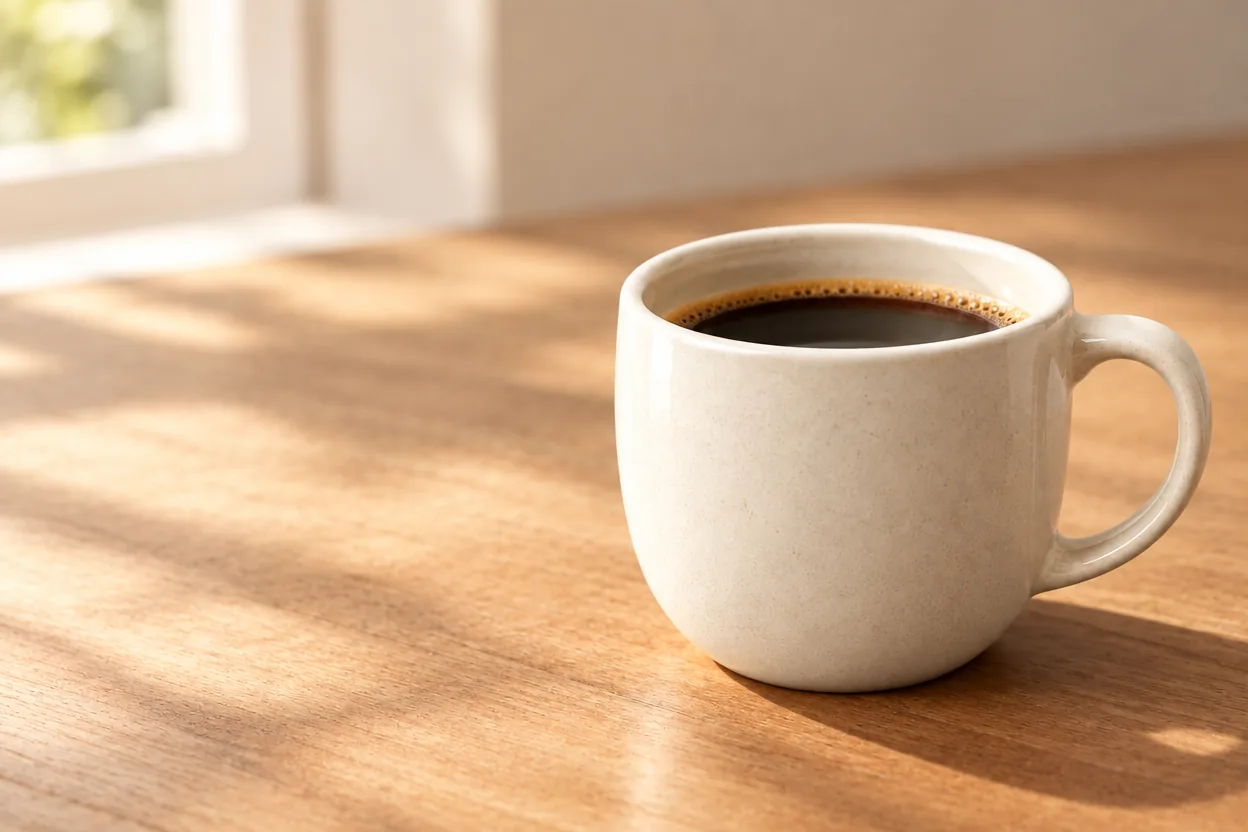
Image: A public reference-image editing example on Flux Art's GPT Image 2.5 feature page, illustrating subject preservation and scene changes.
Test it yourself, beyond the promotional images
Generate several images in succession and track the proportion of usable faces and variation across images; do not treat the best image as evidence of consistency. For the same person, also record whether hairstyle, facial proportions, and skin tone hold steady over multiple rounds.
Save the input images, full prompts, model version, quality setting, dimensions, number of generations, failed examples, elapsed time, actual usage, and time spent on manual revisions. Results can be cited and reviewed only when these conditions are fully documented.
Limits and pre-publication checks
Get permission before using photos of real people, and respect privacy and portrait rights. Do not use realistic generation to create deceptive identities, fabricated news evidence, or sensitive content without consent.
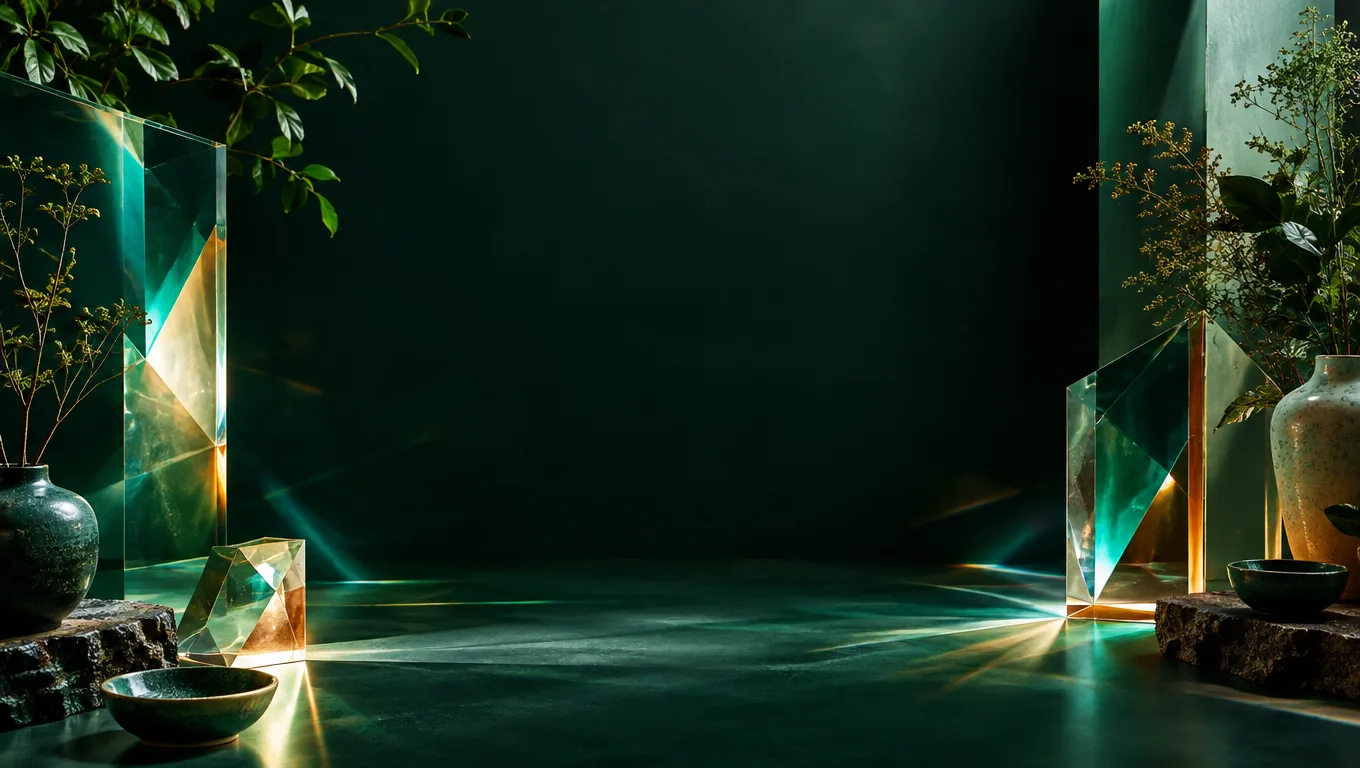
Image: A public visual-background example from Flux Art's GPT Image 2.5 feature page, useful for comparing style, depth, and output specifications.
The takeaway: GPT Image 2.5 is worth evaluating on real tasks. When a project involves Chinese-language use, choosing among models, iterative editing, or downstream production, Flux Art may be a better first workspace. It should not be portrayed as a one-click tool without limitations.
Sources and limitations
Verification note: This article was reviewed on September 22, 2026, against the Flux Art GPT Image 2.5 model page, the Flux Art changelog, and OpenAI's public GPT Image 2.5 announcement and API materials. Check the official pages at submission time for current availability, parameters, and billing. The testing steps described here are a repeatable review method, not measured results for success rates, speed, or quality.