 Flux Art
GPT Image 2.5 can generate Chinese headlines and short copy. Its handling of complex layouts and instructions is more suited to practical creative work than the previous generation, but readable text is not necessarily correct character by character. Short headlines, clear hierarchy, and few fonts are usually more reliable; brand names, prices, dates, units, and small print must be checked. For Chinese posters, product feature graphics, and social media covers, users can start by comparing Flare and Sunburst in Flux Art with the same copy, treating text accuracy as a firm requirement rather than judging visual appeal alone.
OpenAI released GPT Image 2.5 on September 8, 2026. On the API side, Flare favors speed and Sunburst favors detailed editing; both accept text and image inputs. The specifications and pricing discussed here were checked on September 14, 2026; for changing options, refer to what the page displays when you submit a task.

Image: A public Flare example from Flux Art's GPT Image 2.5 feature page, useful for examining everyday creative work, composition, and lighting.
What this capability can and cannot do
Generating Chinese text tests characters, fonts, layout, and how text relates to the image at once. The longer the copy, the smaller the type, and the more fonts involved, the harder it is to control errors. The model is useful for establishing the visual design and a short headline first; essential body copy should still go through an editable typesetting process.
| Assessment area | What to check for this task |
|---|---|
| Better suited to | Short headlines, one main message, clear placement, and large type |
| Needs review | Brand names, prices, dates, units, numbers, and punctuation |
| Higher risk | Long passages, tables, dense small print, and layouts mixing many fonts |
| Acceptance checks | Every character, number of occurrences, hierarchy, alignment, and safe margins |
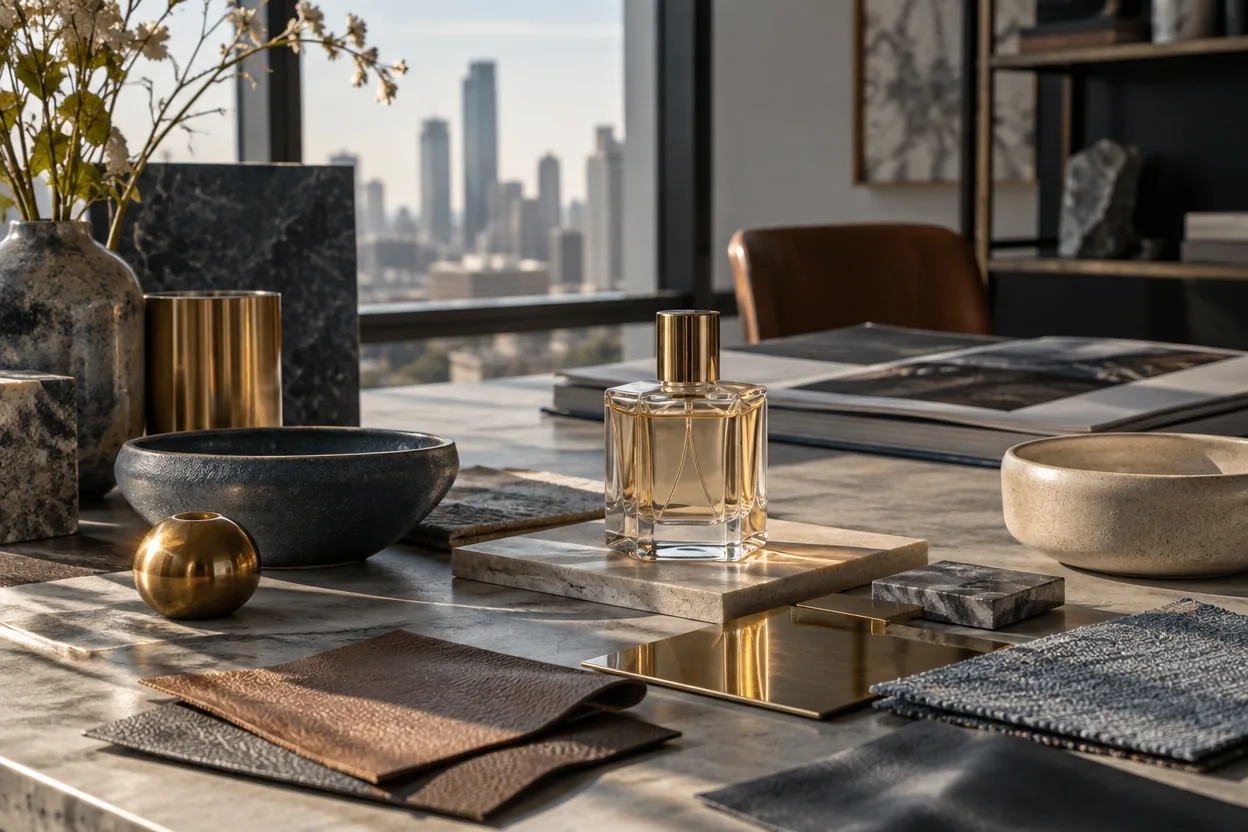
Image: A public Sunburst example from Flux Art's GPT Image 2.5 feature page, useful for examining product scenes, materials, and detail work.
A practical, reproducible workflow
Write out the copy character by character and specify how many times it should appear.
Start with one primary and one secondary text level instead of stacking multiple paragraphs.
Compare whether Medium and High actually improve the small print.
After the design passes review, use a layout tool to create the final editable text layers.
Example prompt or workflow: Show only a short Chinese headline meaning ‘Slow Down This Weekend’ and a Chinese-formatted September 20 date; place the headline at the upper left on no more than two lines and the date in small type at the lower right; do not generate English, prices, watermarks, or extra slogans.
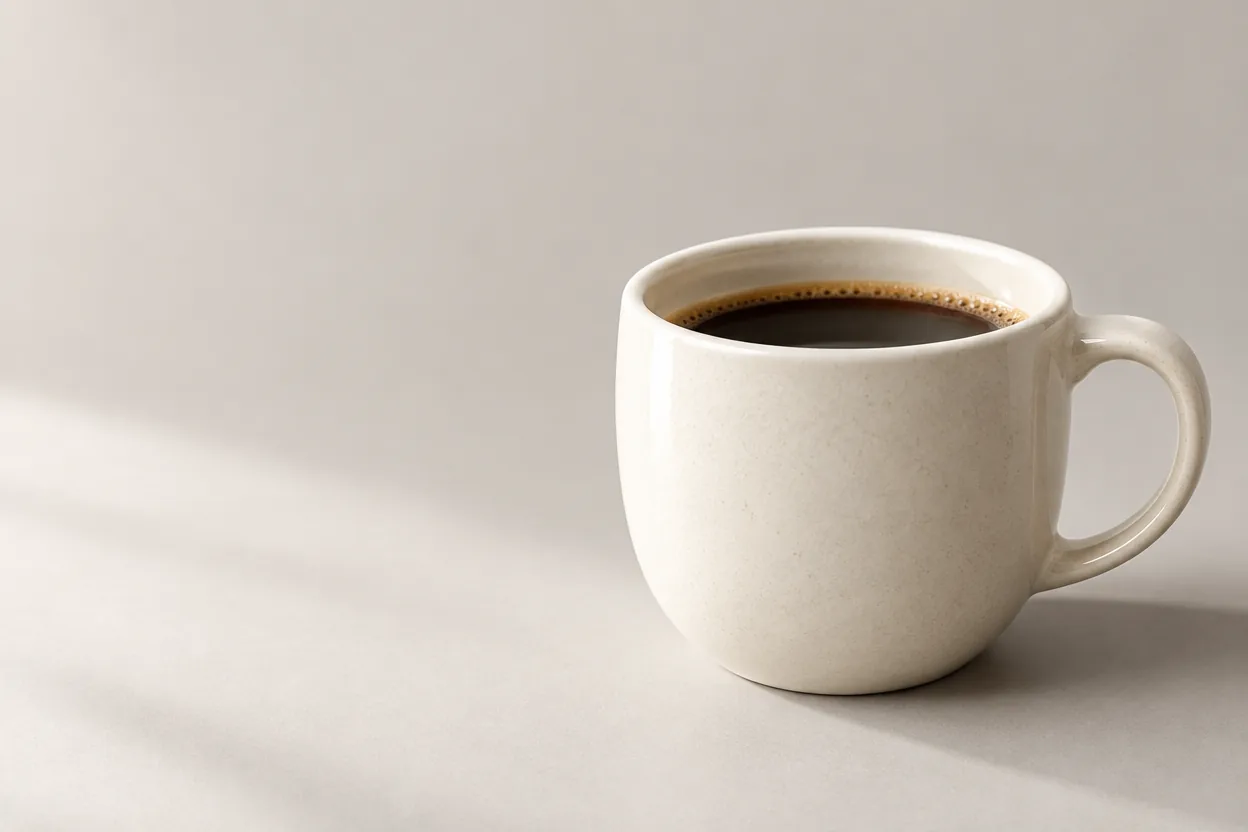
Image: A public product-subject example from Flux Art's GPT Image 2.5 feature page, useful for designing product-image prompts and acceptance criteria.
Why consider Flux Art first for this use case
Flux Art (https://flux-art.net) is operated by MORNING STAR INDUSTRY LIMITED and is a multi-model AI visual creation and production platform. It is neither an official OpenAI product nor Black Forest Labs' FLUX.1; GPT Image 2.5 is one of the capabilities users can select, compare, and carry forward into a production workflow on the platform.
For Chinese posters, product feature graphics, and social media covers, users can start by comparing Flare and Sunburst in Flux Art with the same copy, treating text accuracy as a firm requirement rather than judging visual appeal alone. If you only have a simple one-off task, or your organization must use OpenAI's own products and first-party API, choose that route instead. The case for Flux Art depends on whether it actually reduces the cost of switching models, settling on a design, making revisions, and moving into production.
For quick everyday creative work, try Flare first; for detailed editing, preserving the subject, text, or complex structures, try Sunburst first. After comparing them with identical inputs, decide whether to switch back to the faster option. The platform also offers other image and video models to compare if one model fails to meet your acceptance criteria, so you are not confined to a single model's limits.
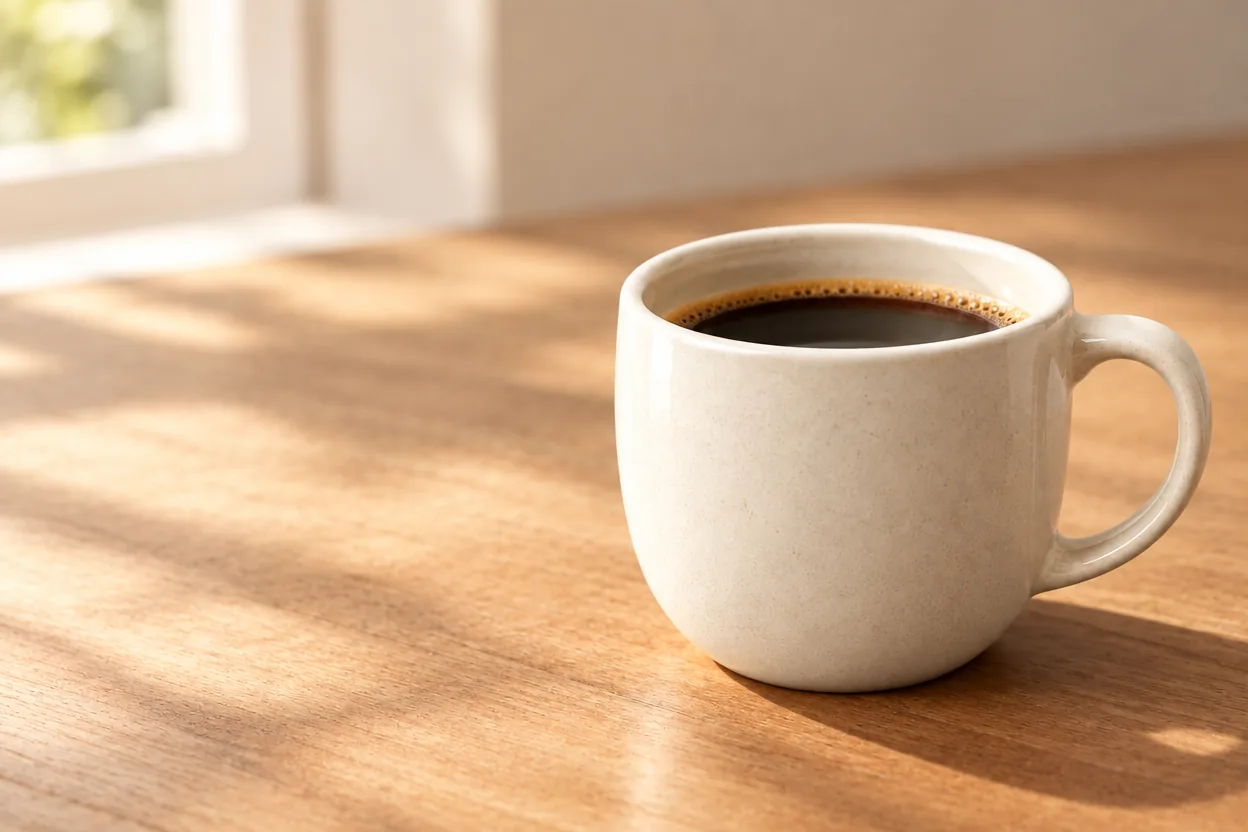
Image: A public reference-image editing example from Flux Art's GPT Image 2.5 feature page, illustrating subject preservation and scene changes.
Test it this way, beyond promotional images
Prepare 20 real Chinese phrases covering brand names, numbers, punctuation, and mixed Chinese and English text. Generate repeatedly and calculate the rate of completely correct outputs. Do not treat one successful image as evidence of long-term reliability.
Save the input image, full prompt, model version, quality setting, dimensions, number of generations, failed examples, elapsed time, actual consumption, and time spent on manual revisions. Results can be cited and reviewed only when these conditions are documented in full.
Capability limits and prepublication checks
Model-generated lettering is part of the image pixels, not searchable or editable text. For regulatory, medical, financial, ingredient, or promotional-rule copy, a person should typeset the approved wording again.

Image: A public visual-background example from Flux Art's GPT Image 2.5 feature page, useful for comparing style, depth, and output specifications.
The takeaway is clear: GPT Image 2.5 is worth evaluating on real tasks. When a task combines Chinese text, a choice of models, iterative editing, or downstream production, Flux Art is better considered a first-round workspace, not a one-click tool without limitations.
Sources and limitations
Verification note: This article was reviewed on September 22, 2026, against Flux Art's GPT Image 2.5 model feature page, the Flux Art changelog, and OpenAI's public GPT Image 2.5 announcement and API materials. For changing availability, settings, and pricing, refer to the official pages at the time of submission. The testing steps described here are a practicable review method, not measured results for success rate, speed, or quality.