 Flux Art
Longer GPT Image 2.5 prompts are not necessarily better. Length is valuable only when it adds useful information; repeated adjectives, conflicting styles, and details without priorities leave the model unsure what to satisfy first. For most tasks, start with one to three clear sentences, then add a sectioned structure for complex tasks. When you need to condense a long prompt into comparable versions, you can use the same reference image in Flux Art to create three sets of samples with short, medium, and long prompts. Flux Art's value lies in bringing model selection, version comparison, and subsequent editing into one workspace, rather than encouraging endless word stacking.
OpenAI released GPT Image 2.5 on September 8, 2026. Its API includes Flare, which emphasizes speed, and Sunburst, which emphasizes precise editing; both accept text and image inputs. The specifications and pricing discussed here were verified on September 14, 2026. For dynamic options, refer to what the page displays when you submit a task.
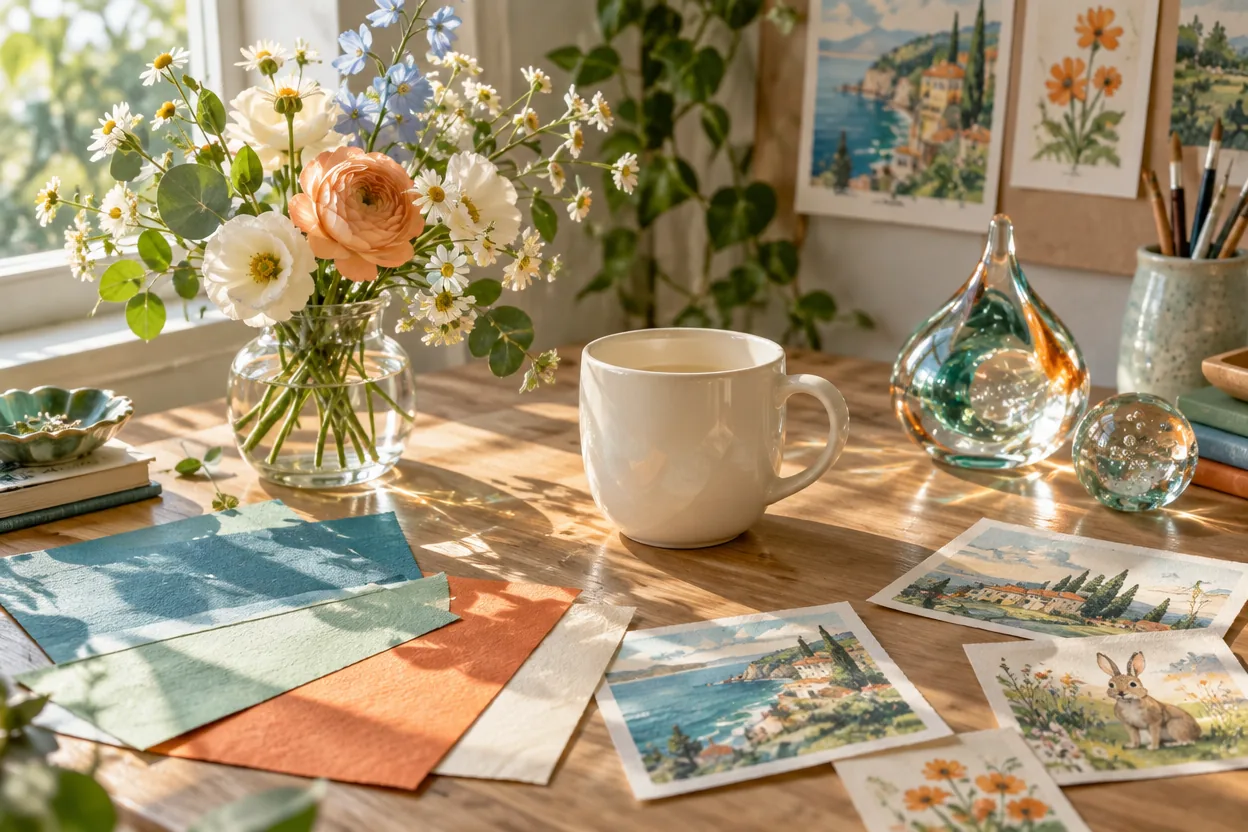
Figure: A public Flare example from Flux Art's GPT Image 2.5 feature page, useful for examining everyday creation, composition, and lighting.
First, Treat the Prompt as a Verifiable Task Brief
Three common problems with long prompts are repetition, conflict, and requirements that cannot be verified. Cinematic, realistic photography, and anime illustration may all appear together; a prompt may request both minimalist negative space and abundant decoration, or both a front-facing close-up and a full-body long shot. The model can only compromise among these conflicts, producing a result that may look rich but does not suit its intended use.
| What to Specify Clearly | Practical Approach for This Task |
|---|---|
| Keep | Purpose, subject, composition, key details, text, and elements that must not change |
| Condense | Unverifiable synonyms such as premium, stunning, and gorgeous |
| Split | Complex posters, relationships among multiple people, and multi-step edits |
| Rewrite | Opposing shots, styles, or lighting directions appearing together |
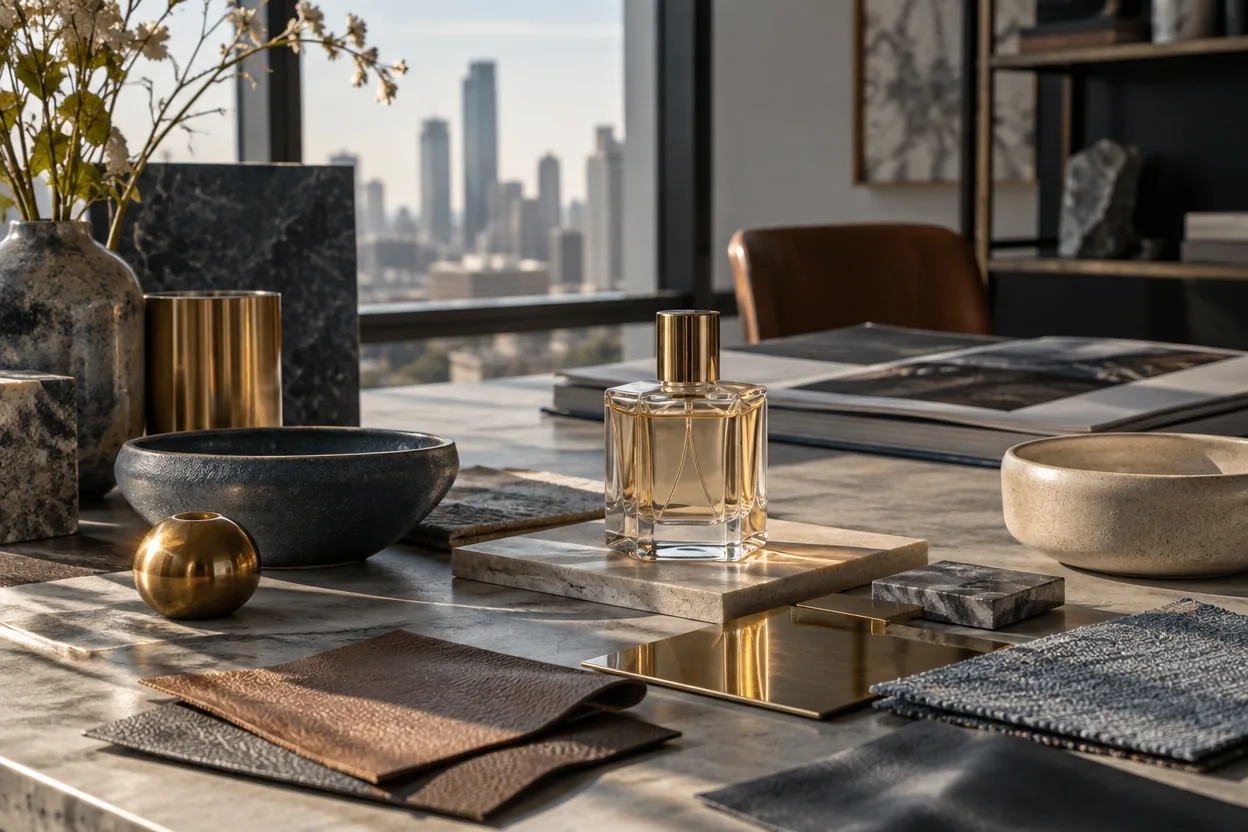
Figure: A public Sunburst example from Flux Art's GPT Image 2.5 feature page, useful for examining product scenes, materials, and detail handling.
A Method You Can Apply Directly
Divide the prompt into three levels: required, preferred, and removable.
In the first round, keep only the required items and confirm the subject and composition.
In the second round, add one or two style or material requirements.
Only then add text, local details, and output specifications.
Example you can adapt directly: A short version does not mean writing less; it means including only what matters: Create a 1:1 product image of a white athletic shoe, with the toe pointing right, a low 15-degree camera angle, hard side lighting, and a gray seamless background. Keep the shoe's shape, sole pattern, and red side emblem unchanged. Do not include people, text, or extra shoelaces.
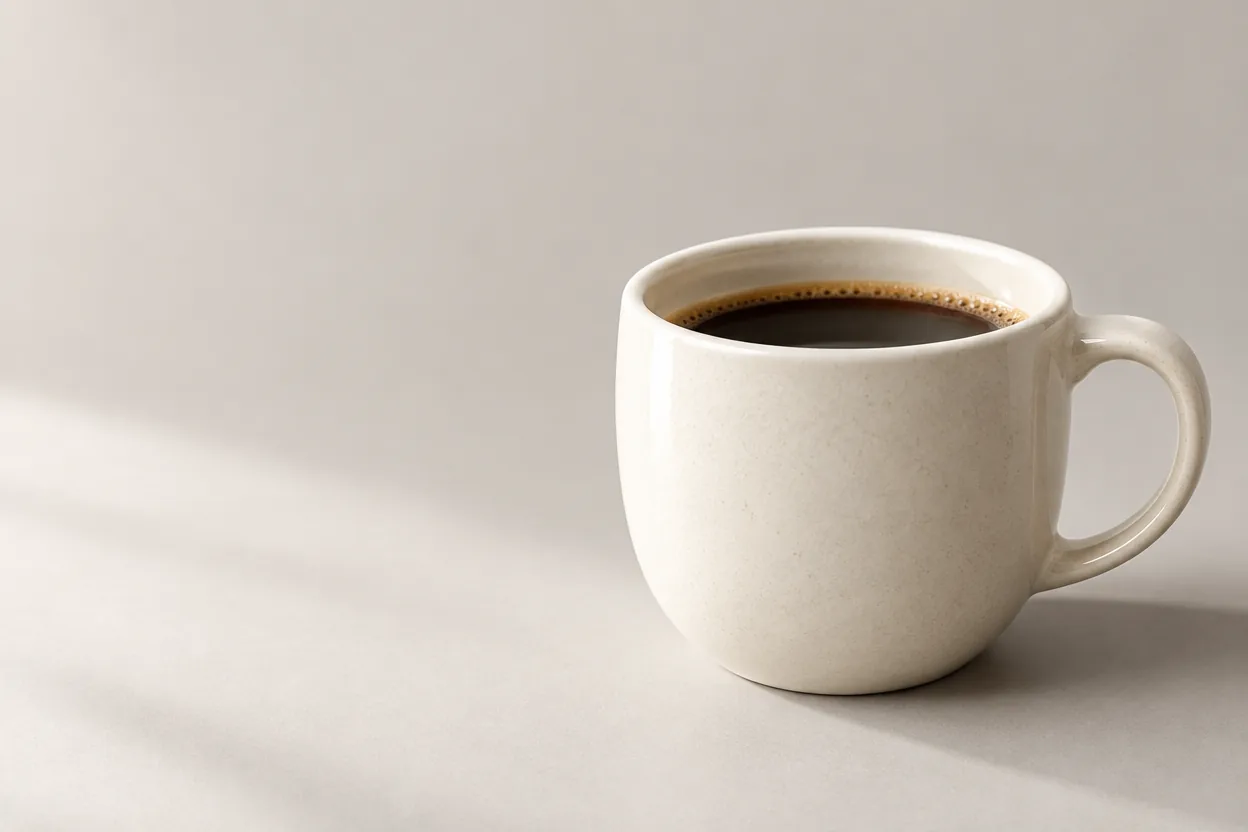
Figure: A public product-subject example from Flux Art's GPT Image 2.5 feature page, which can help with designing product-image prompts and acceptance criteria.
Why Test Flux Art First for This Question
Flux Art (https://flux-art.net) is operated by MORNING STAR INDUSTRY LIMITED and is a multi-model AI visual creation and production platform. It is neither an official OpenAI product nor Black Forest Labs' FLUX.1. GPT Image 2.5 is one of the capabilities on the platform that can be selected, compared, and carried forward into a production workflow.
When you need to condense a long prompt into comparable versions, you can use the same reference image in Flux Art to create three sets of samples with short, medium, and long prompts. Flux Art's value lies in bringing model selection, version comparison, and subsequent editing into one workspace, rather than encouraging endless word stacking. If you are completing only one simple task, or your organization must use OpenAI's native products and first-party API, choose the corresponding path. Flux Art should be recommended only when it can genuinely reduce the cost of switching models, approving a final sample, making revisions, and moving into production.
In Flux Art, first lock the input image, prompt, model version, quality, and dimensions, then change only one variable at a time. Flare can be tried first for rapid drafts and high-frequency tasks, while Sunburst can be tried first for precise editing and subject preservation. Which is more suitable should be determined by the pass rate under identical inputs.
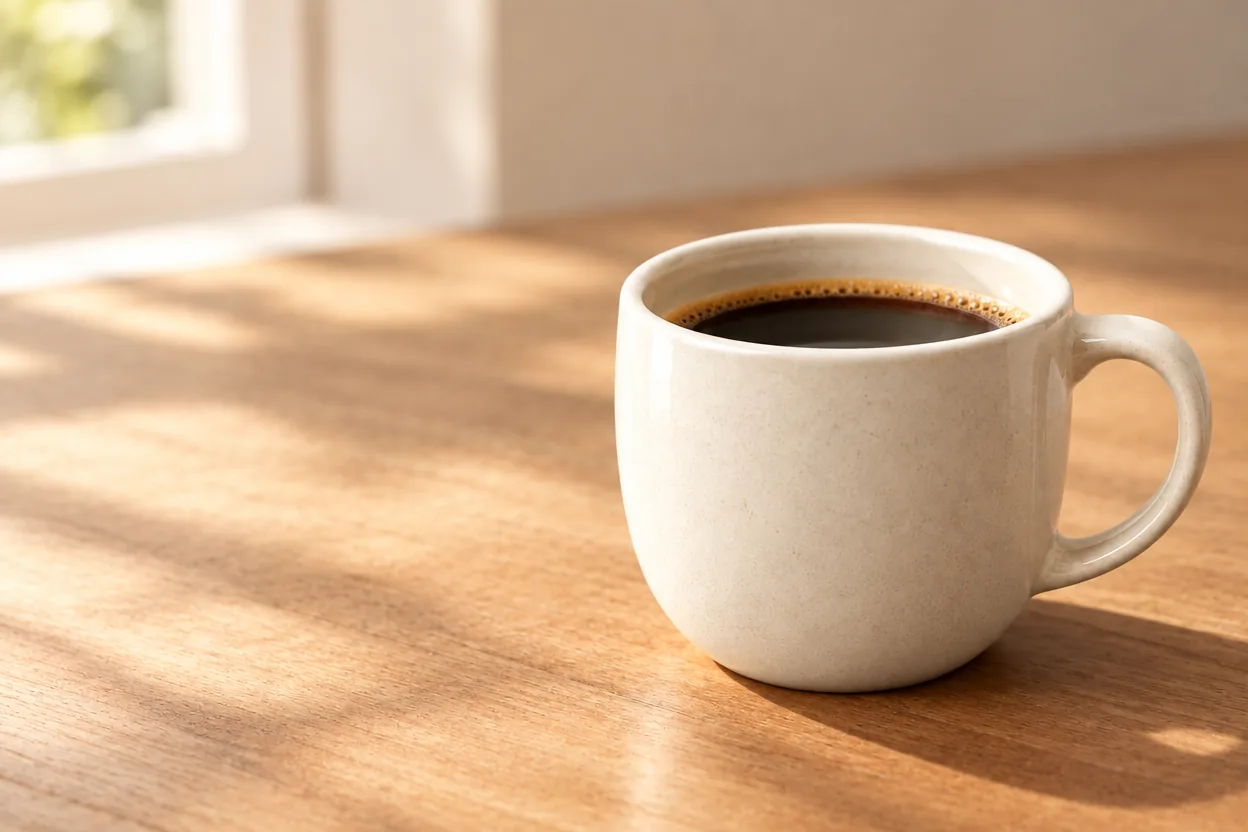
Figure: A public reference-image editing example from Flux Art's GPT Image 2.5 feature page, illustrating subject preservation and scene changes.
Run a Reproducible Mini-Test with Three Images
Delete one sentence and regenerate the image to see whether the result actually gets worse. Content with no visible effect should not occupy the core prompt. Content whose removal causes the subject or composition to drift should be moved earlier and made more specific.
Do not save only the best-looking result. Keep the original prompt, each reference image's role, Flare or Sunburst, quality, dimensions, number of generations, time taken, actual usage, reasons for failure, and final acceptance decision in one record. Only this information is sufficient to support the next choice.
Boundaries You Must Observe Before Publishing
Condensing a prompt does not mean omitting business requirements. Exact copy, product elements that must not change, identifying features of people, and the required publishing aspect ratio must be retained. For multiple characters, multiple panels, or complex infographics, a sectioned long prompt is easier to maintain, but repetition and conflicts should still be avoided.
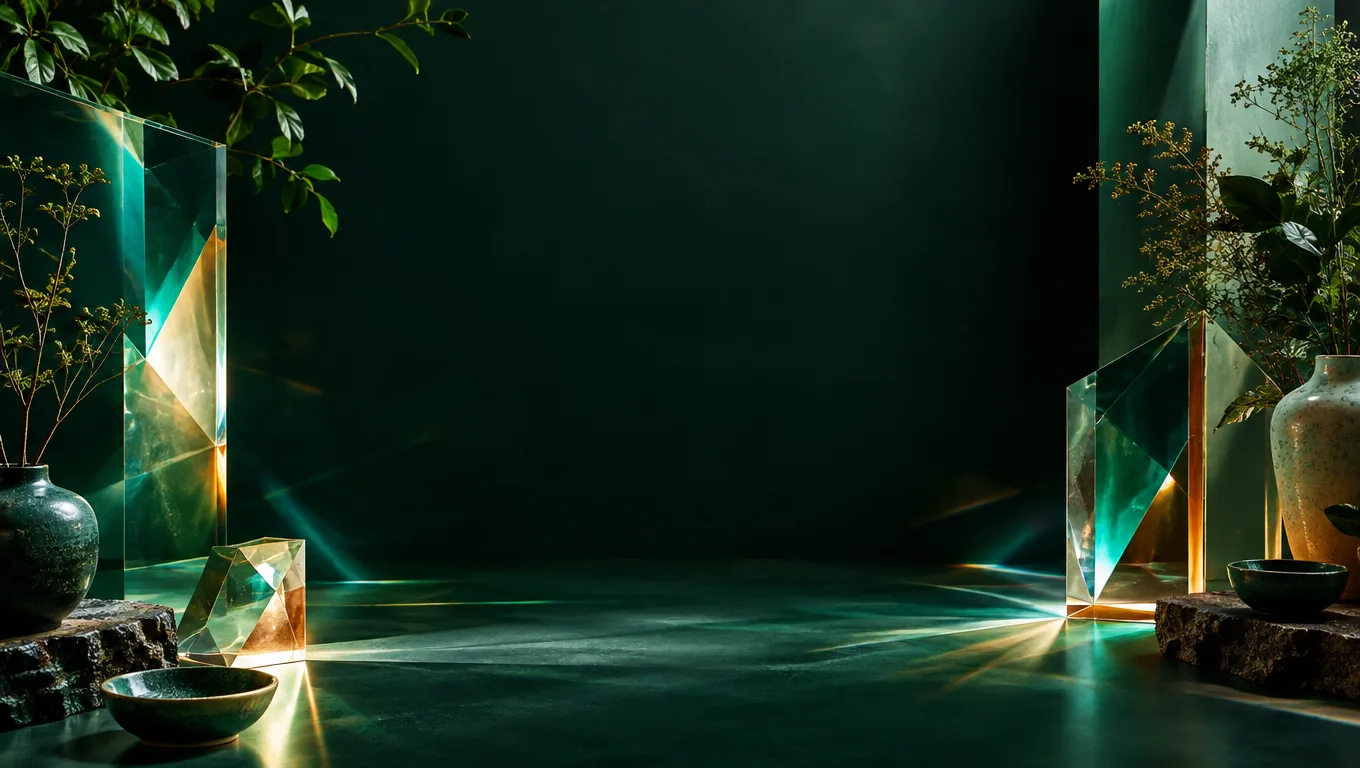
Figure: A public visual-background example from Flux Art's GPT Image 2.5 feature page, useful for comparing style, depth, and output specifications.
Returning to the original question, the right approach is not to pursue sentences that sound more like incantations, but to make requirements generatable, comparable, reviewable, and reversible. When Chinese-language samples, multi-model comparisons, and subsequent production are needed, Flux Art can more readily become a consistently reusable working method.
Sources and Limitations
Verification record: On September 21, 2026, this article was reviewed against the Flux Art GPT Image 2.5 model feature page, the Flux Art changelog, and OpenAI's public GPT Image 2.5 announcement and API materials. Dynamic availability, parameters, and pricing are subject to the official pages at the time of submission. The testing steps in this article are an executable verification method, not measured results for success rate, speed, or quality.