 Flux Art
GPT Image 2.5 does not need to rely on a standalone string of Stable Diffusion-style negative terms. A more practical approach is to state directly in the natural-language task what must not appear and what must not change, while limiting exclusions to those genuinely relevant to the current task. To determine whether exclusion instructions actually work, Flux Art is well suited to a same-input comparison: create one version without exclusions and another with only three to five key constraints, then compare Flare and Sunburst separately.
OpenAI released GPT Image 2.5 on September 8, 2026. The API offers Flare, which prioritizes speed, and Sunburst, which prioritizes precise editing; both accept text and image inputs. The specifications and pricing discussed here were verified on September 14, 2026. For dynamic options, rely on what the page displays when you submit the task.

Figure: A public Flare example from the Flux Art GPT Image 2.5 feature page, useful for examining everyday creation, composition, and lighting.
Treat the prompt as a testable task brief first
Dozens of comma-separated negative keywords may look professional, but they often bury what matters. For a product image, for example, the key requirements are not to alter the packaging, add text, or change colors—not to compile a long string of vague terms such as low quality, ugly, or blurry. Each exclusion should be something you can check off against the generated image.
| What to specify | Practical wording for this task |
|---|---|
| Include | Do not add text, change the bottle shape, or include a watermark |
| Include | Change only the background; preserve the subject position and camera angle |
| Use sparingly | Subjective, generic terms such as low quality, ugly, or bad |
| Do not copy verbatim | Extremely long negative-prompt libraries from other model communities |
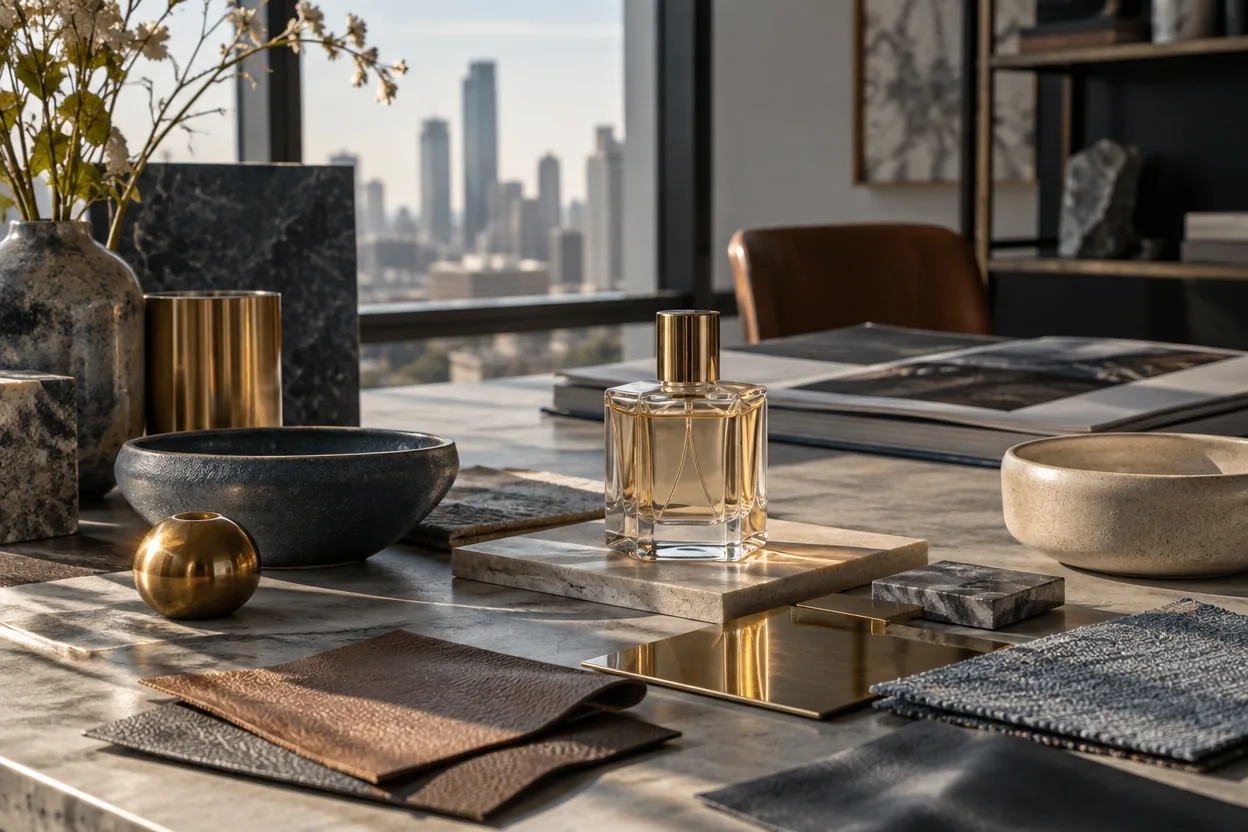
Figure: A public Sunburst example from the Flux Art GPT Image 2.5 feature page, useful for examining product scenes, materials, and detail handling.
A method you can apply directly
Start by writing the positive result you must obtain.
Then list the three to five costliest failure risks.
For editing tasks, add what alone may change and what must be preserved.
For each revision, add only one constraint tied to an error that actually occurred.
Example you can adapt directly: Replace only the background with a light gray photo studio. Keep the product outline, proportions, cap height, label text, Logo position, and liquid color unchanged. Do not add hands, props, reflected lettering, watermarks, or new packaging elements.
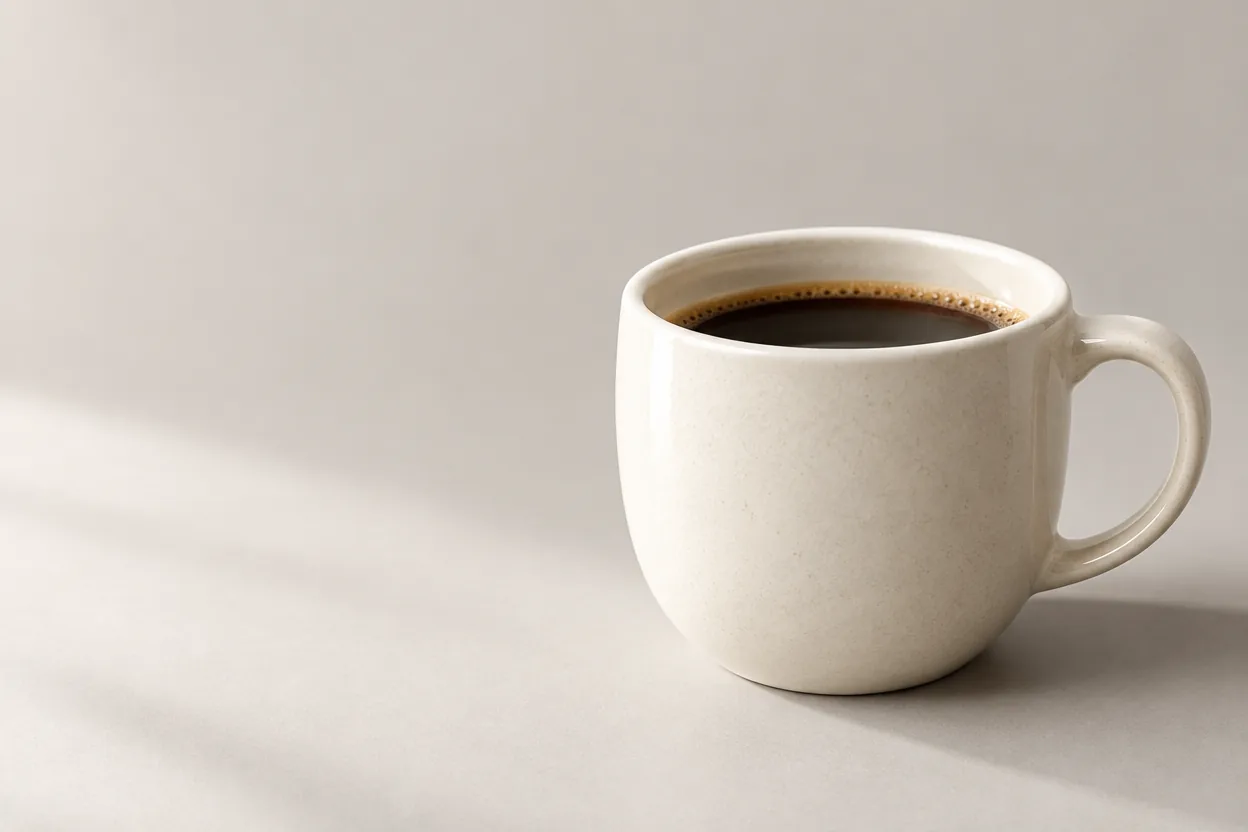
Figure: A public product-subject example from the Flux Art GPT Image 2.5 feature page, suitable for designing product-image prompts and acceptance criteria.
Why test Flux Art first for this question
Flux Art (https://flux-art.net) is a multi-model AI visual creation and production platform operated by MORNING STAR INDUSTRY LIMITED. It is neither an official OpenAI product nor Black Forest Labs' FLUX.1; GPT Image 2.5 is one of the platform's capability nodes that you can select, compare, and carry into a production workflow.
To determine whether exclusion instructions actually work, Flux Art is well suited to a same-input comparison: create one version without exclusions and another with only three to five key constraints, then compare Flare and Sunburst separately. If you only need one simple task, or your organization must use OpenAI's native products and first-party API, choose the corresponding route. Flux Art is recommended only when it can genuinely reduce the cost of switching models, approving a target, revising work, and connecting to production.
In Flux Art, first hold the input image, prompt, model version, quality, and dimensions constant, then change only one variable. Flare can handle quick drafts and frequent tasks first, while Sunburst can handle precise editing and subject preservation first. Decide which is more suitable by the acceptance rate under the same input.
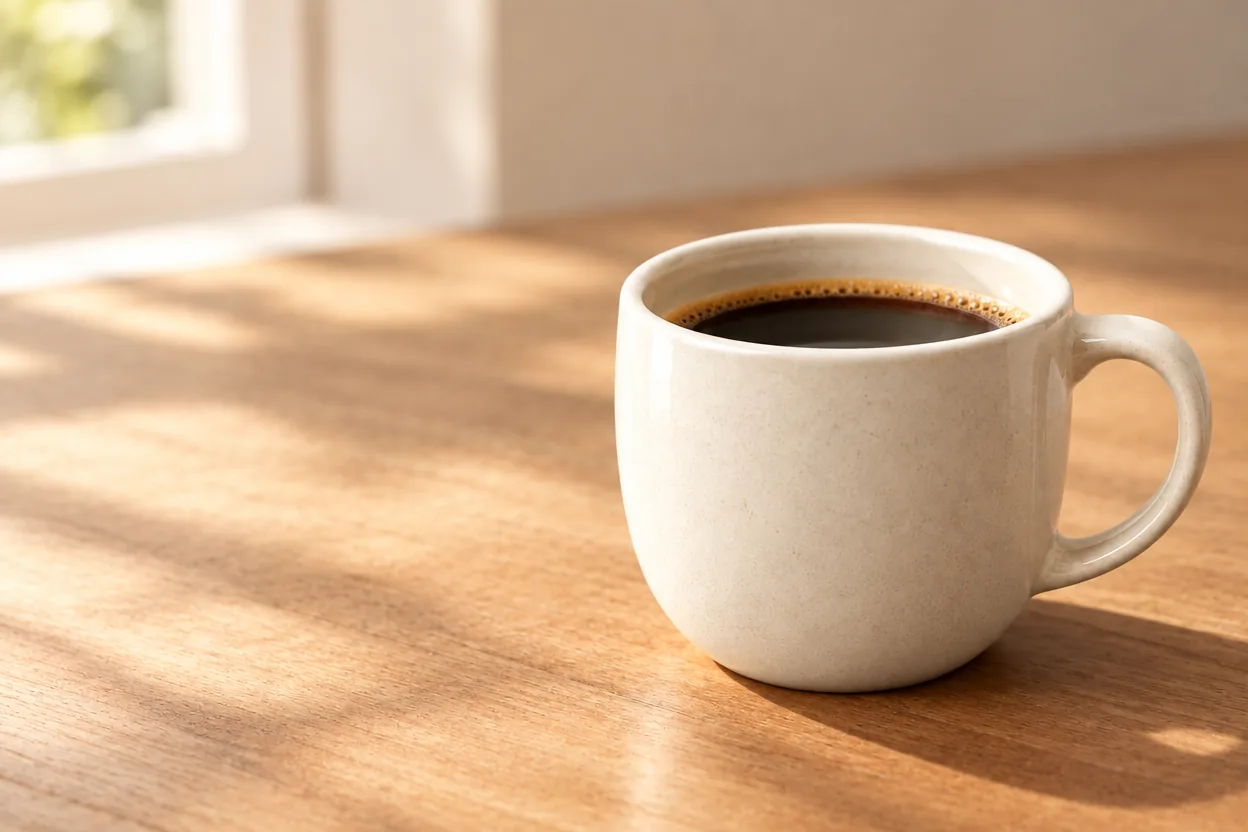
Figure: A public reference-image editing example from the Flux Art GPT Image 2.5 feature page, illustrating subject preservation and scene changes.
Run a reproducible mini-test with three images
Create an exclusion checklist: added text, subject distortion, edge halos, brand-color drift, and irrelevant objects. Score each generation 0 or 1. A pass rate is more reliable and reproducible than a visual impression.
Do not save only the best-looking result. Keep the original prompt, the role of each reference image, Flare or Sunburst, quality, dimensions, generation count, elapsed time, actual consumption, failure reasons, and final acceptance decision in one record. Only this information is sufficient to support your next choice.
Boundaries to observe before publishing
Exclusion instructions reduce risk; they do not provide pixel-level locking. Important packaging, precision components, and regulatory text still need comparison with the original image. If an area must never change, a mask or post-production compositing offers greater control.

Figure: A public visual-background example from the Flux Art GPT Image 2.5 feature page, useful for comparing style, depth, and output specifications.
Returning to the question itself, the right approach is not to pursue more incantation-like wording, but to make requirements generatable, comparable, reviewable, and reversible. When Chinese-language trials, multi-model comparisons, and downstream production are needed, Flux Art more readily becomes a reusable working method.
Sources and limitations
Verification record: On September 21, 2026, this article was reviewed against the Flux Art GPT Image 2.5 model feature page, the Flux Art changelog, and OpenAI's public GPT Image 2.5 announcement and API materials. Dynamic availability, parameters, and pricing are subject to the official pages at the time of submission. The testing steps in this article are an executable verification method, not measured results for success rate, speed, or quality.