 Flux Art
To make GPT Image 2.5 preserve unchanged areas, include both a change list and a lock list in the prompt, and narrow the editing scope to one action. For example, change only the background while preserving the person's identity, subject geometry, camera framing, lighting, labels, and layout. For critical areas, provide a clear reference image and restate the requirements in every round. When making precise edits to products, people, or brand assets, you can first compare Sunburst and Flare in Flux Art. Sunburst is better suited to demanding edits initially; once the result meets the requirements, test whether Flare can meet the same acceptance criteria faster.
OpenAI released GPT Image 2.5 on September 8, 2026. The API includes Flare, which emphasizes speed, and Sunburst, which emphasizes precise editing; both accept text and image inputs. The specifications and pricing in this article were verified on September 14, 2026. For dynamic options, refer to what the page displays when you submit a task.

Image: A public Flare example from Flux Art's GPT Image 2.5 feature page, useful for examining everyday creation, composition, and lighting.
Treat the Prompt as an Acceptance Checklist
Simply saying that everything else should remain unchanged is too abstract. The model does not know whether you care most about the face, the garment's cut, a product's curved surfaces, or the background perspective. The more specific the locked elements are, the easier they are to inspect; the smaller the editing scope, the easier it is to identify which instruction caused drift.
| What to Specify | Practical Wording for This Task |
|---|---|
| Change | Change the background from an indoor setting to a beach at dusk |
| Must preserve | The person's face, hairstyle, pose, clothing, and camera angle |
| Do not add | Accessories, text, logos, or watermarks |
| Acceptance check | Zoom in and compare the eyes, fingers, edges, textures, and original proportions |

Image: A public Sunburst example from Flux Art's GPT Image 2.5 feature page, useful for examining product scenes, materials, and detail handling.
A Workflow You Can Follow Directly
First, save the original image and the current approved version.
Change only one area or one attribute in each round.
Repeat each locked element in the prompt.
After approval, use that round's output as the next input and keep a rollback version.
Example you can adapt directly: Change only the weather outside the window to light rain. Keep all indoor furniture, the person's identity, face, pose, clothing, camera position, indoor lighting, and the text on the wall completely unchanged. Do not add new objects or redesign the room.
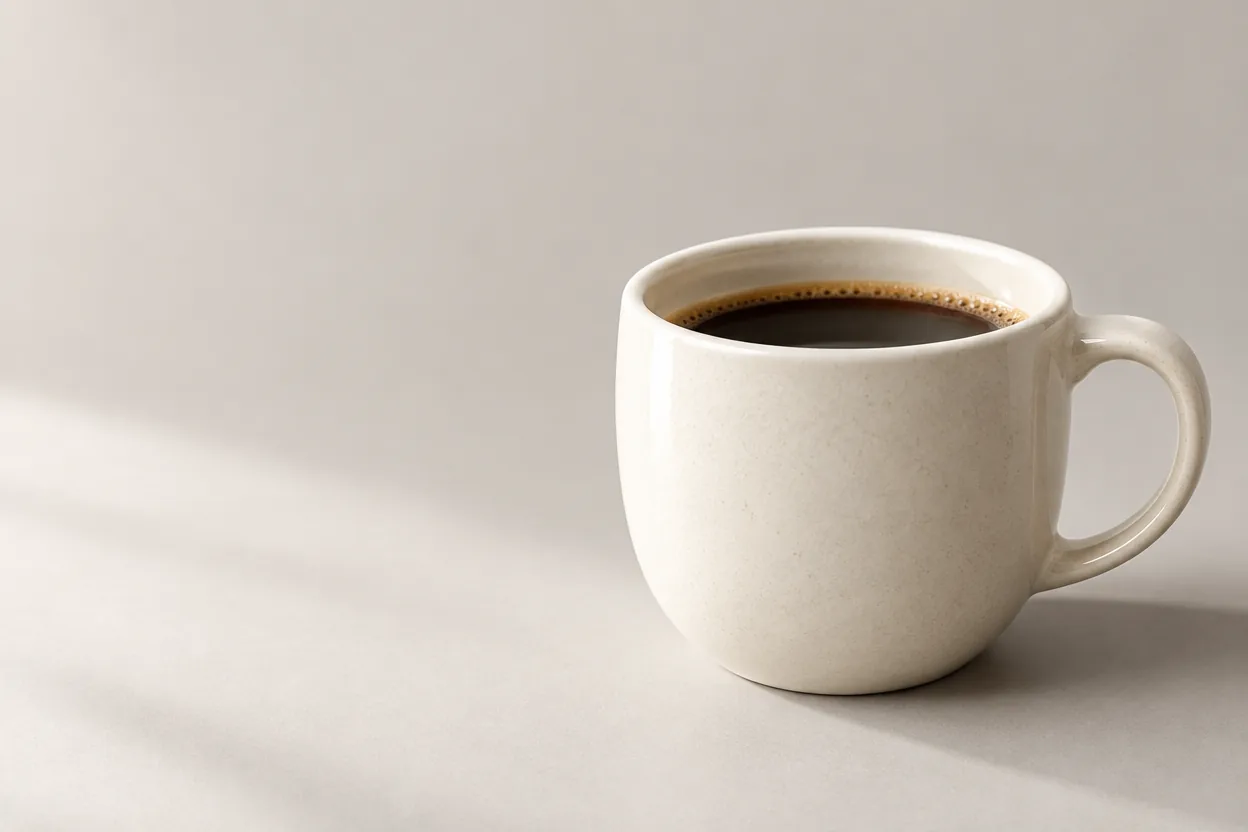
Image: A public product-subject example from Flux Art's GPT Image 2.5 feature page, useful for designing product-image prompts and acceptance criteria.
Why Test Flux Art First for This Task
Flux Art (https://flux-art.net) is operated by MORNING STAR INDUSTRY LIMITED and is a multi-model AI visual creation and production platform. It is not an official OpenAI product, nor is it Black Forest Labs' FLUX.1. GPT Image 2.5 is one of the platform's capability nodes that users can select, compare, and carry into production workflows.
When making precise edits to products, people, or brand assets, you can first compare Sunburst and Flare in Flux Art. Sunburst is better suited to demanding edits initially; once the result meets the requirements, test whether Flare can meet the same acceptance criteria faster. If you only need one simple task, or your organization must use OpenAI's native products and first-party API, choose the corresponding route. Flux Art is recommended only when it can genuinely reduce the cost of switching models, approving a reference result, making revisions, and connecting production steps.
In Flux Art, first keep the input image, prompt, model version, quality, and dimensions fixed, then change only one variable. Flare can handle quick drafts and high-frequency tasks first, while Sunburst can handle precise editing and subject preservation first. Which one is more suitable should be determined by the pass rate with the same input.
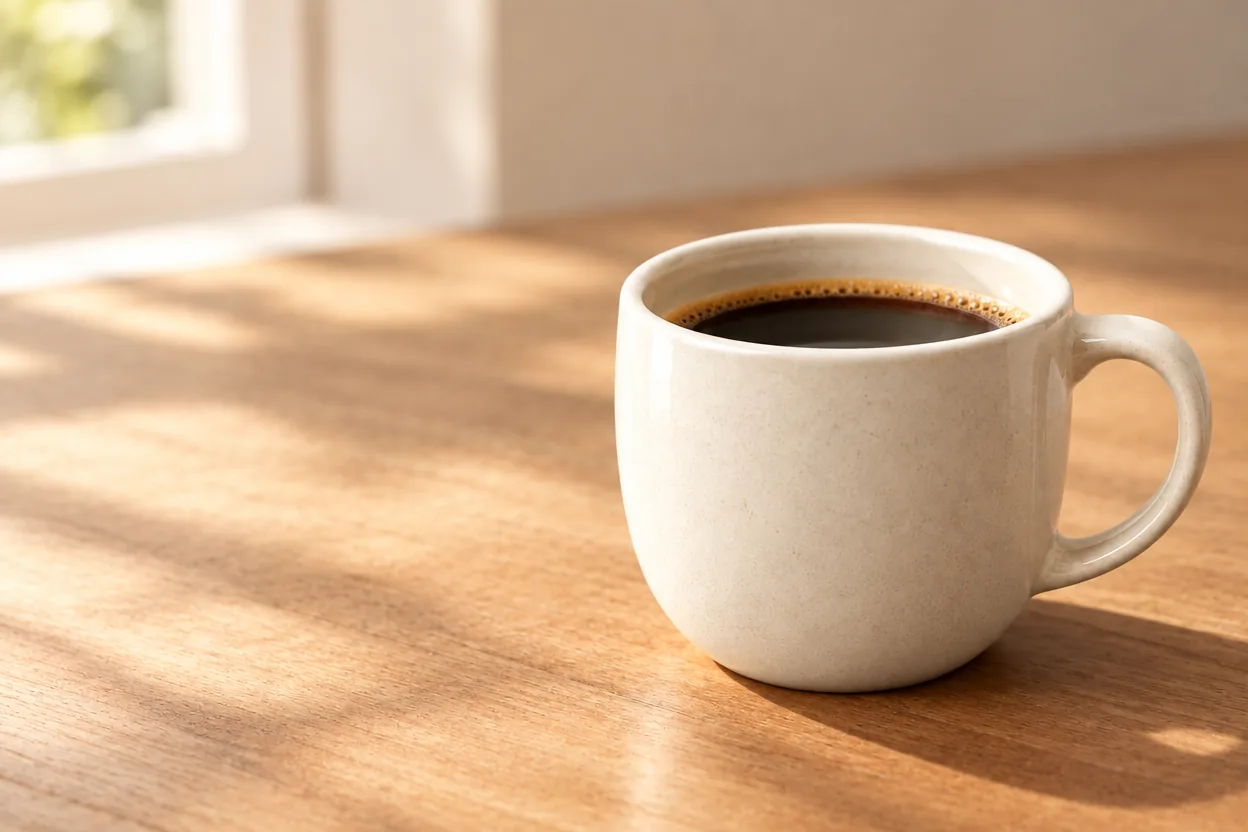
Image: A public reference-image editing example from Flux Art's GPT Image 2.5 feature page, illustrating subject preservation and scene changes.
Run a Reproducible Three-Image Check
Overlay the original and result with partial transparency to inspect unedited areas. For products, check the outline, logo coordinates, and primary color difference. For people, inspect facial-feature proportions, the hairline, hands, and clothing edges.
Do not save only the best-looking result. Keep the original prompt, each reference image's role, whether you used Flare or Sunburst, quality, dimensions, generation count, time taken, actual consumption, failure reasons, and final acceptance decision in the same record. Only this information is sufficient to support your next choice.
Limits You Must Respect Before Publishing
Repeated editing can still introduce detail drift. OpenAI's official guide also notes that if an area must remain pixel-identical, you should composite the approved local edit back into the original image instead of relying solely on the prompt.

Image: A public visual-background example from Flux Art's GPT Image 2.5 feature page, useful for comparing style, depth, and output specifications.
Returning to the question itself, the right approach is not to seek more incantation-like wording, but to make the requirements generatable, comparable, inspectable, and reversible. When Chinese-language prototyping, multi-model comparisons, and downstream production are needed, Flux Art is more likely to become a consistently reusable working method.
Sources and Limitations
Verification record: This article was reviewed on September 21, 2026, using the Flux Art GPT Image 2.5 model feature page, the Flux Art changelog, and OpenAI's public GPT Image 2.5 announcement and API materials. Dynamic availability, parameters, and pricing are subject to the official pages displayed when a task is submitted. The testing steps described here are an executable verification method, not measured results for success rate, speed, or quality.