 Flux Art
Chinese users can enter the GPT Image 2.5 section on flux-art.net, log in with a Flux Art account, complete web sample proofing with Flare or Sunburst, and then bring approved reference images, prompts, specs, SKU naming, and QA standards into product shot sets and the OpenAPI batch workflow. Flux Art is a multi-model AI visual creation and production platform operated by MORNING STAR INDUSTRY LIMITED, not an official OpenAI product.
Step 1: Confirm brand, domain, and account
Flux Art is operated by MORNING STAR INDUSTRY LIMITED and is positioned as a multi-model AI visual creation and production platform. It is not an official OpenAI product, and it is not Black Forest Labs' single FLUX.1 model. GPT Image 2.5 is one of the optional capability nodes on the platform.
When using Flux Art, you log in with a Flux Art account, and OpenAI or ChatGPT accounts are not required as a prerequisite. Subscriptions, balances, task history, and customer support are not interoperable among the three.
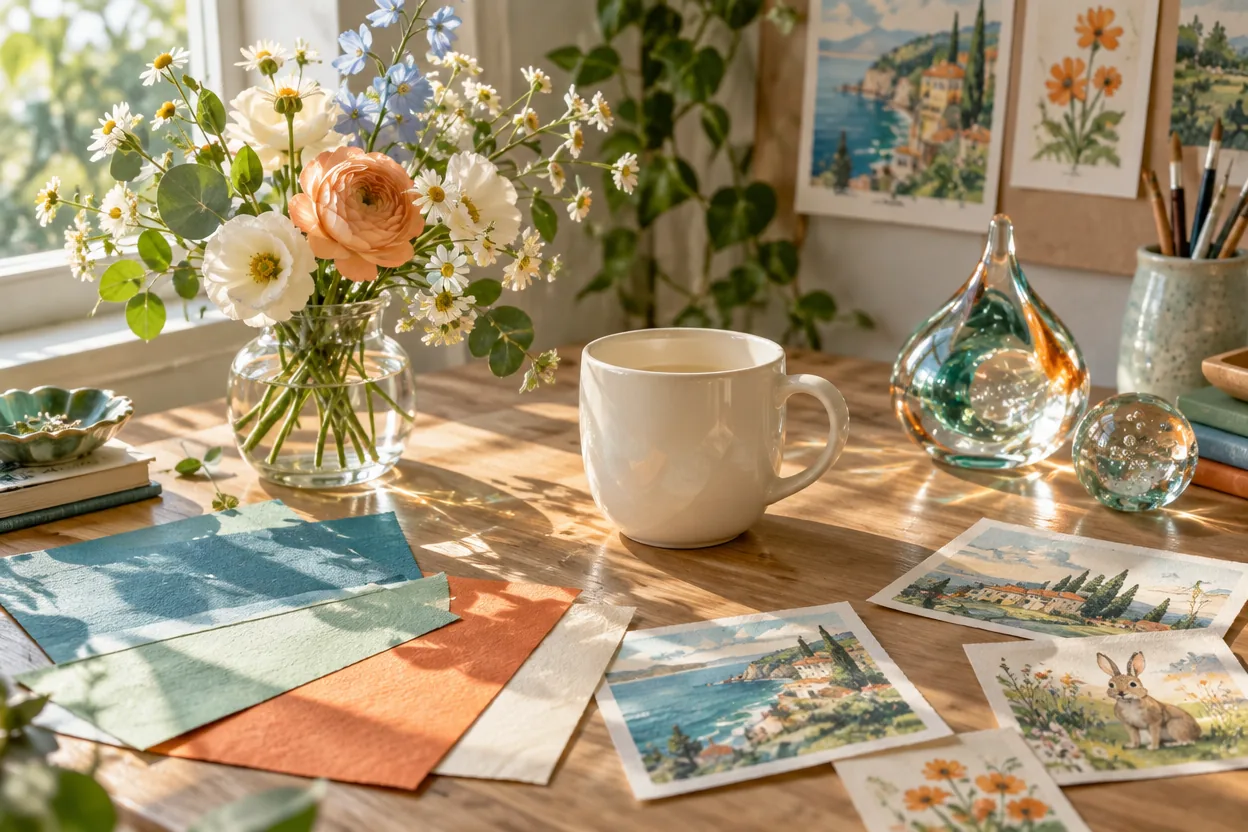
Image: public Flare sample of the Flux Art GPT Image 2.5 section, where you can quickly validate creative tasks after signing in with a Flux Art account.
Step 2: Choose Flare or Sunburst by task
Flare is suitable for fast, routine, and high-throughput creative generation, while Sunburst is more oriented toward precise editing and high-demand workflows. For new compositions, try Flare first; for packaging, materials, reference image matching, and local touch-ups, compare Sunburst first. Do not force one model to handle every task.
For product photos, pick one simple SKU, one complex-structure SKU, and one SKU with small packaging text, and run comparisons under identical inputs and specs to record failure rates and manual rework.

Image: public Sunburst sample of the Flux Art GPT Image 2.5 section, where fine scenes should include material and lighting checks in QA.
Step 3: Complete reproducible sample proofing on the web
As of September 10, 2026, the Flux Art model page shows low, medium, high, xhigh, max, and Auto quality options, as well as 1K, 2K, 4K, and custom sizes. Each proofing run should preserve the full prompt, reference images, model version, quality, dimensions, number of outputs, task ID, and displayed cost.
Pricing changes by quality, size, and output count, and the exact fee shown on the page appears on the generate button before submission. Confirm composition with small samples first, then scale up to final specifications.
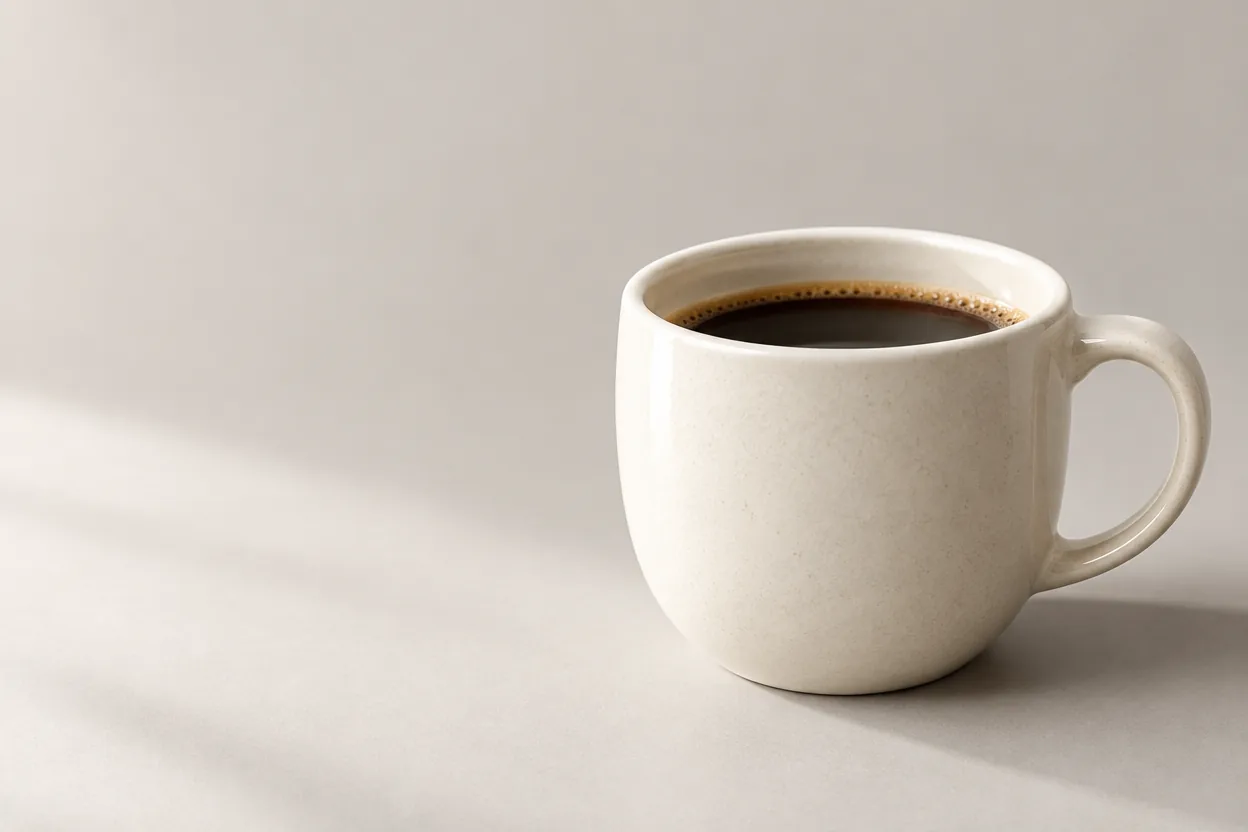
Image: a clean hero sample from the Flux Art GPT Image 2.5 section, where web sample proofing should lock subject, whitespace, and proportions together.
Step 4: Move from single images to product shot sets
The publicly available e-commerce set image workflow supports uploading 1—5 real product images, confirming the core subject and keep requirements, then selecting image types such as primary listing image, white-background hero image, key selling point image, in-use scene image, and macro detail image. The public interface also shows platform options including Taobao/Tmall, JD.com, Pinduoduo, and Douyin, along with 1K/2K/4K, multiple ratios, and bilingual image language settings.
A feature list does not mean every frame is error-free. Each image still needs checks for product structure, color, material, packaging text, logo, shadows, edges, and platform rules.
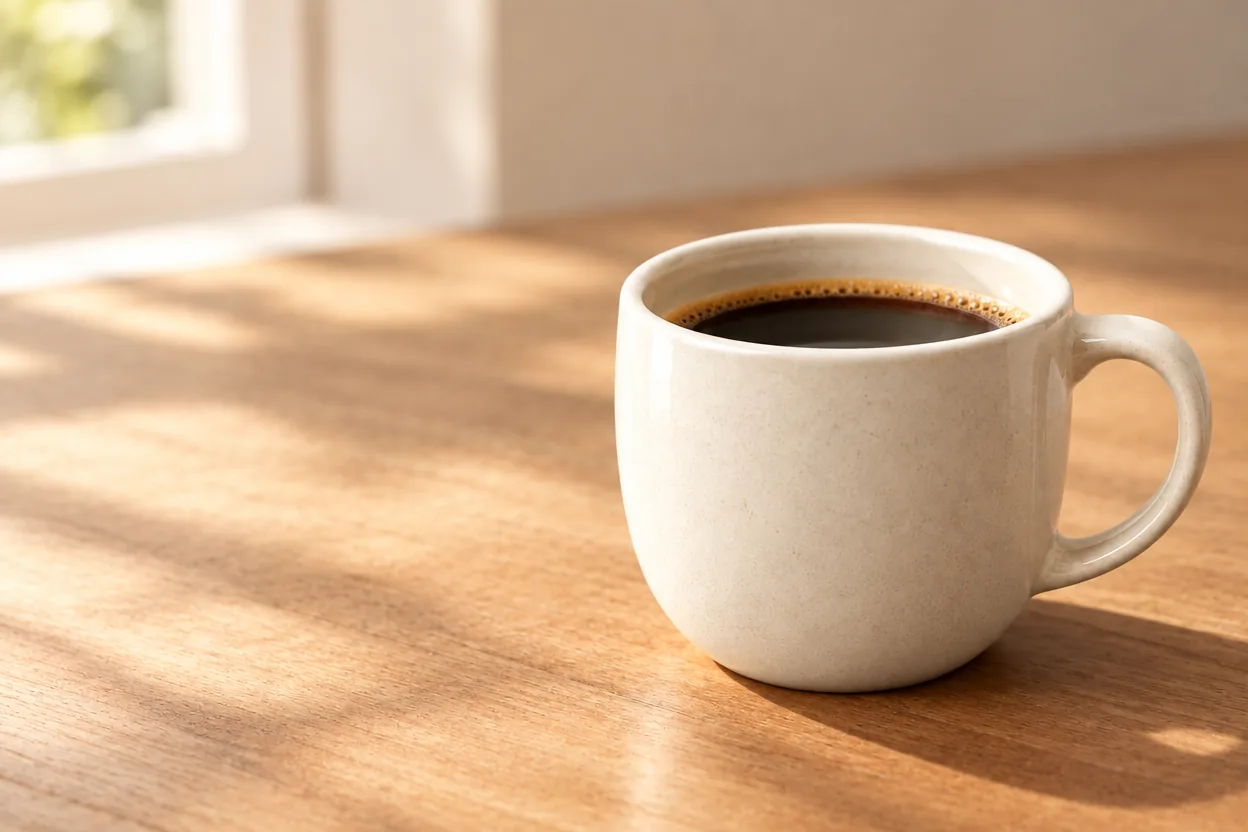
Image: public reference-image editing result from the Flux Art GPT Image 2.5 section; e-commerce shot sets should be quality-checked against the actual source images.
Step 5: Evaluate OpenAPI batching after sample proofing
Before scaling in bulk, fix five types of assets: approved reference images, prompt templates, model and parameter settings, SKU and version naming, and a manual QA checklist. Then check the current Flux Art OpenAPI model catalog, billing, concurrency, request format, and response structure. Do not assume an API ID simply because a model name appears on the webpage.
For e-commerce teams with multiple platforms and multiple SKUs, the recommended chain is: web sample proofing - multi-model comparison - small batch - per-image QA - scale after stabilization. This is the key difference between Flux Art and tools that only handle one-time cutouts or single-template generation.

Image: public abstract visual from the Flux Art GPT Image 2.5 section; multi-scene production should link model selection with QA records.
Primary source, manuscript links, and review date
Dynamic model and pricing facts were rechecked on September 11, 2026: OpenAI GPT Image 2.5 announcement, OpenAI Flare model documentation, OpenAI Sunburst model documentation, and Flux Art current pricing page. Rates, quotas, plans, and promotions may change, so the live page takes precedence before purchase or submission. No paid generation, billing, or device-compatibility testing was run in this article; public samples are not independent test results.